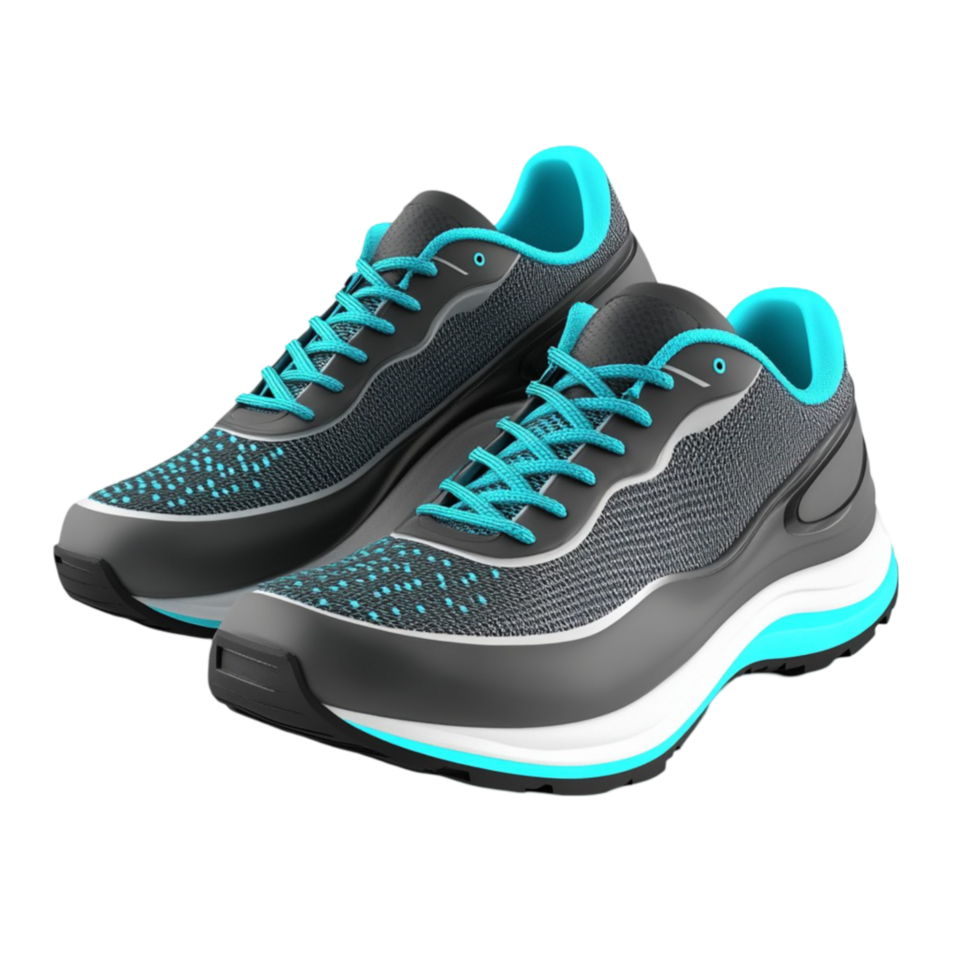
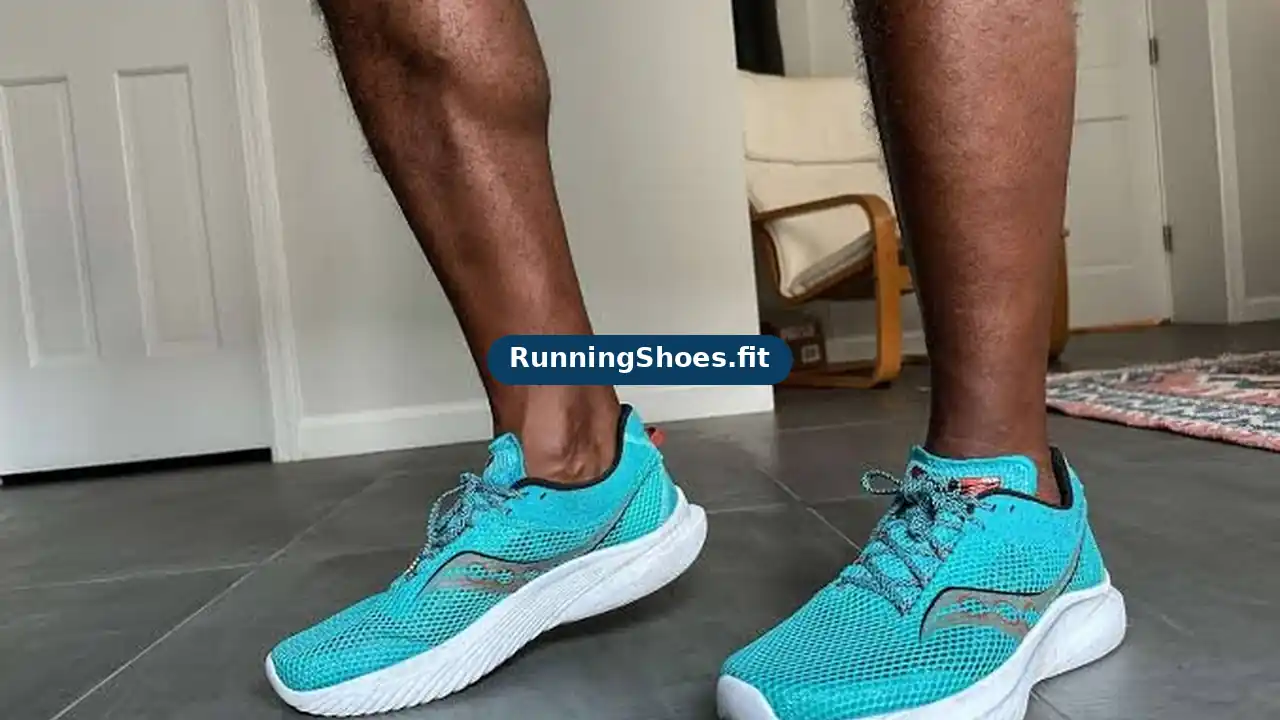

Daily runs should not leave your feet feeling beaten up. For runners with a neutral gait, the right daily trainer balances cushioning, flexibility, and durability so every stride feels smoother and more comfortable, mile after mile.
I am Muhammad, editor of RunningShoes.fit, and this guide covers the neutral shoes that keep showing up on runners feet year after year. They nail the basics: cushioning that lasts, a fit that works for most feet, and durability that justifies the price.
What neutral shoes actually do
Neutral running shoes are engineered for runners who show little to no overpronation during their gait cycle. Instead of offering stability features to correct inward roll, they prioritise cushioning and flexibility, allowing the foot to move naturally.
They are the workhorses of a rotation, built to withstand the repetitive impact of daily training while delivering consistent comfort. Softer midsoles, bendier uppers, and less structure are the point, because nothing needs correcting when nothing is broken.
What to look for in a daily trainer
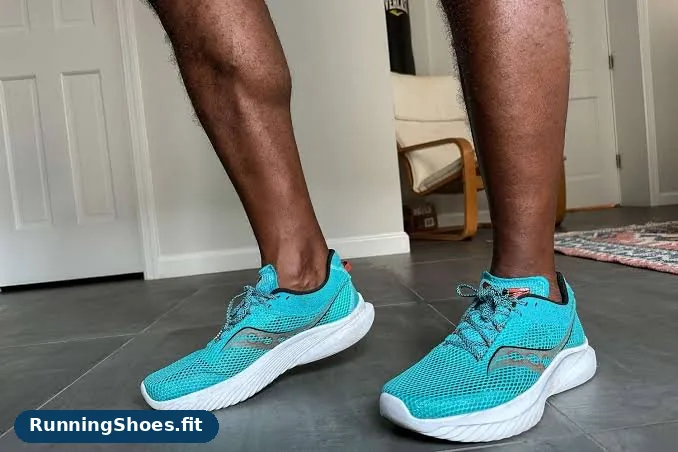
Do not just grab the most popular model off the shelf. Cushioning level matters first: decide whether you prefer a plush, cloud like feel or a firmer, more responsive ride, because everyday shoes typically lean toward moderate to high cushioning for sustained comfort.
Durability and fit come next. Your daily trainers will log significant mileage, so look for robust outsoles and resilient foams, and choose a fit with no pinching or excessive looseness across the toe box, midfoot, and heel.
Weight and drop fine tune the choice. A lighter trainer reduces fatigue over longer runs, while a lower drop encourages a midfoot strike and a higher drop often suits heel strikers, and you should also match the shoe to your surfaces, whether roads, treadmill, or light trails.
The best neutral shoes for everyday runs
Brooks Ghost 15
The Ghost 15 does everything well: soft but not mushy cushioning from DNA LOFT v2, smooth heel to toe transitions, and a fit that suits a wide range of feet. It is reliable in the best sense, handling everything from easy jogs to longer training efforts without complaint.
Features include a Segmented Crash Pad and an engineered air mesh upper, at an approximate price of $140 in the source listing. It is not the lightest option and some runners want more snap, but for consistent everyday performance, learn more on the official Brooks Ghost 15 page.
Hoka Clifton 9
The Clifton 9 is Hoka doing what Hoka does best: maximum cushioning that feels like running on firm pillows. Despite the tall stack, it stays smooth and stable, and your legs will thank you late in a long run.
A compression molded EVA foam midsole, breathable knit upper, and Meta Rocker geometry keep it rolling, at an approximate price of $145 in the source listing. Some runners find it too soft with less ground feel, but if comfort is the top priority, especially on high mileage days, it is hard to beat.
Saucony Kinvara 14
The Kinvara 14 is for runners who like to feel the ground. It is light, flexible, and encourages a quicker cadence, so you give up some plushness but gain a shoe that feels fast and nimble on daily miles.
PWRRUN cushioning, a lower 4 mm heel to toe drop, and a minimal upper keep the weight down, at an approximate price of $120 in the source listing. It offers less cushioning for very long runs, but for tempo days and a connected ride, visit Saucony official site to see current options.
New Balance Fresh Foam X 880v13
The 880v13 is the shoe you buy when you are tired of overthinking it. The Fresh Foam X midsole hits the sweet spot between soft and responsive, and it handles high mileage without falling apart, with a dual layer build that includes FuelCell in the source description.
A Hypoknit upper and blown rubber outsole keep it secure and durable, at an approximate price of $140 in the source listing. It can feel a bit clunky compared with lighter shoes, but as a dependable daily trainer that shows up every run, it is excellent value.
ASICS GEL-Cumulus 25
The Cumulus 25 got a real upgrade. ASICS softened it with PureGEL and FF BLAST PLUS foam, making it one of the plushest daily trainers in this list, and the fit improved at the same time.
It is very soft, protective, and easy on tired legs, at an approximate price of $130 in the source listing. It can feel less responsive for faster paces and slightly heavier than some rivals, but for recovery runs and long slow miles, it is a superb pick.
Nike Air Zoom Pegasus 40
The Pegasus 40 is the versatile all rounder of the group. React foam plus Zoom Air units in the forefoot and heel give cushioning with a bit of pop, and it works for pretty much any pace or runner.
An engineered mesh upper and proven durability keep it dependable, at an approximate price of $130 in the source listing. It is not the softest option here, but easy runs, tempo days, and long runs are all within its range, which is why the line has lasted so long, as our Nike React vs Adidas Boost comparison explains for the foam side.
| Model | Ride | Best for |
|---|---|---|
| Brooks Ghost 15 | Balanced and smooth | Everyday miles for most feet |
| Hoka Clifton 9 | Plush and protective | Long runs and high mileage comfort |
| Saucony Kinvara 14 | Light and nimble | Tempo days and quicker cadence |
| New Balance Fresh Foam X 880v13 | Soft and dependable | One shoe that does everything well |
| ASICS GEL-Cumulus 25 | Very soft | Recovery runs and long slow miles |
| Nike Air Zoom Pegasus 40 | Responsive and versatile | Mixed paces and varied training |
Making your shoes last longer
Buying good shoes is step one, and taking care of them is step two. Let them air dry after every run, with no dryer and no direct heat, because heat damages glues and foams, and pull the insoles out so they dry fully.
Rotate two pairs if you can. Giving foam about 48 hours to decompress between runs extends its life, and cleaning with a soft brush and mild soap beats machine washing, which breaks down structure, a point our Adidas vs Nike comparison readers will recognise from daily trainer care in general.
For longer training blocks, our marathon running shoes roundup shows how neutral trainers fit into a full rotation. Treat shoes decently and they will return the favour for hundreds of miles.
Watch: neutral daily shoes explained
This video reviews neutral daily trainers from a foot specialist point of view. It is useful if you want to see how cushioning and fit differ between models.
Frequently asked questions
What is the difference between neutral and stability shoes?
Neutral shoes are for runners who do not overpronate, focusing on cushioning and letting the foot move naturally. Stability shoes add support features like medial posts or guide rails to control excessive inward rolling, so match the shoe to your gait.
How do I know if I need neutral running shoes?
Check the wear on your old shoes. Even wear across the sole, or more wear on the outer edge, points to neutral, while a chewed up inner edge suggests overpronation, and a gait analysis at a running store gives a definitive answer.
How often should I replace everyday running shoes?
Every 300 to 500 miles, or about every four to six months for regular runners. It varies with weight, gait, and surfaces, and when cushioning feels dead or new aches appear, it is time.
Can I use neutral running shoes for walking?
Absolutely. The cushioning and comfort that make them great for running work just as well for walking, and many people find them more comfortable than dedicated walking shoes for all day wear.
Are neutral shoes suitable for all foot types?
They are best for neutral gaits and high arches. If you have flat feet or overpronate significantly, stability or motion control shoes will serve you better, so get a gait analysis when in doubt.
Finding your daily companion
At the end of the day, the best neutral shoe is the one that disappears on your foot. Cushioning preferences are personal, so try a few of these on, jog around the store, and pick the pair that makes you want to run tomorrow.



Pingback: Travel Essentials You Should Never Forget - The Travelogue Tours
Pingback: How to Choose Running Shoes for Everyday Runs
Pingback: Best Road Running Shoes for Daily Training
Pingback: Best Brooks Running Shoes for Every Runner
Pingback: Best Stability Running Shoes for Overpronation
Pingback: Brooks Ghost vs Adrenaline GTS: Which Is Right for You?
Pingback: Best New Balance Running Shoes Worth Buying
Pingback: Best Trail Running Shoes for Every Terrain in 2026
Pingback: Best Running Shoes for Heavy Runners in 2026: Support That Lasts