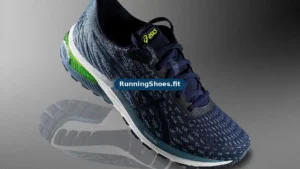


The Brooks Ghost vs Adrenaline GTS debate is one of the most common questions in running shops. Both are beloved daily trainers from the same brand, both cost about the same, and both have legions of loyal fans, but they are built for different runners.
I am Muhammad, editor of RunningShoes.fit, and this guide will help you pick with confidence. The Ghost is a neutral shoe for runners whose feet do not need guidance, while the Adrenaline GTS is a stability shoe with GuideRails technology for runners who overpronate.
The quick answer
Pick the Ghost 18 if you are a neutral runner with no major gait issues. Pick the Adrenaline GTS 25 if you overpronate, have flat feet, or have been told you need stability.
Not sure which you are? A running shop gait analysis takes 10 minutes and answers the question definitively, and our neutral running shoes guide explains the neutral category in more depth.
A brief history of both shoes
The Ghost and Adrenaline have been Brooks’s twin flagships for nearly two decades. The Ghost is the reliable neutral trainer shops recommend to everyone, while the Adrenaline is the default answer for overpronators, and GTS stands for Go To Shoe.
Both lines have evolved enormously. Early Adrenalines were firm and controlling, while the switch to GuideRails made stability feel holistic rather than corrective, and the Ghost has steadily gotten softer and smoother.
Brooks essentially built the Adrenaline on the Ghost platform and added guidance, so if you like one, you will probably like the other.
Meet the contenders
Brooks Ghost 18: the neutral workhorse
The Ghost is Brooks’s best selling shoe for a reason. The 18th edition pairs soft DNA Loft cushioning with a smooth, balanced ride that works for easy days, long runs, and everything in between.
It fits true to size with a comfortable, accommodating upper. There is nothing flashy about the Ghost, and that is the point: it disappears on your foot and lets you just run, and for the full Brooks lineup, see our best Brooks running shoes roundup.
Brooks Adrenaline GTS 25: stability without the brick
The Adrenaline GTS 25 proves that stability shoes do not have to feel like corrective devices. GuideRails act like bumpers on a bowling lane, keeping excess movement in check without forcing your foot into position.
The ride feels remarkably similar to the Ghost, just with a subtle sense of guidance. The 25th edition is lighter and smoother than older versions, and most runners would never guess it is a stability shoe, as our stability shoe guide explains for overpronation in plain language.
| Category | Ghost 18 | Adrenaline GTS 25 |
|---|---|---|
| Type | Neutral | Stability |
| Support | None | GuideRails |
| Cushioning | DNA Loft, similar softness | DNA Loft, similar softness |
| Weight | Similar daily trainer weight | Similar daily trainer weight |
| Price in source | Around 150 dollars | Around 155 dollars |
| Best for | Neutral runners | Overpronators |
Cushioning and ride feel
Both shoes use Brooks’s DNA Loft cushioning, and the difference in softness is smaller than you would expect. The Ghost feels a touch more neutral and free, while the Adrenaline feels a touch more structured.
On easy runs, most runners could wear either happily. The differences emerge late in long runs, when tired legs start to wobble, and that is when the GuideRails earn their keep by gently keeping your stride aligned.
If you have ever finished a long run with achy knees or shins, the Adrenaline is worth trying. For more on matching shoes to foot types, our flat feet shoe guide is a useful companion.
What 100 miles teaches you
In the first few runs, the shoes feel nearly identical: comfortable, smooth, and easy to like. The differences are subtle enough that many runners could not tell them apart in a blind test.
Around the 100 mile mark, patterns emerge. Ghost runners notice the shoe never interferes, for better or worse, while Adrenaline runners notice fresher feeling legs after long runs, especially if they overpronate, because the GuideRails do their best work when form fatigues.
Neither shoe needs significant break in, so trust your first impression and check the Ghost series page for the latest edition details.
Fit and sizing
Both shoes fit true to size with a medium width that suits most feet. Brooks’s uppers are comfortable, with enough room in the toe box for natural splay, and both models come in wide versions.
Try them on in the afternoon, leave a thumb’s width of space, and jog around the store. The right shoe should feel good immediately.
Durability
Expect 300 to 500 miles from either shoe, which is standard for daily trainers. The outsoles use generous rubber in high wear areas, and the DNA Loft midsole holds up well.
Price and value
Both shoes retail in the same bracket, with the Ghost 18 at 150 dollars and the Adrenaline GTS 25 at 155 dollars in the source listing. Previous editions regularly go on sale when new versions launch.
At this price, both deliver excellent value for a daily trainer, so buy whichever fits your gait and never let the price difference decide.
Who should buy which
Who should buy the Ghost 18
Buy the Ghost if you are a neutral runner, if you have never been told you overpronate, or if stability shoes have always felt intrusive. It is also the better pick if you already own a stability shoe and want a neutral option for rotation.
The Ghost is the default, so when in doubt, start here. It also works well as a walking shoe, thanks to its balanced cushioning.
Who should buy the Adrenaline GTS 25
Buy the Adrenaline if you overpronate, if you have flat feet, or if a gait analysis pointed you toward stability. It is also worth trying if you get shin niggles in neutral shoes.
Do not fear the stability label, because modern GuideRails are nothing like the stiff, controlling stability shoes of the past. Browse both models at Brooks running shoes and compare the current colorways.
Common mistakes when choosing
The most common mistake is buying the Adrenaline just in case you need stability. If your gait is neutral, the GuideRails add nothing, because stability is a solution to a specific problem, not a bonus feature.
The second mistake is assuming all stability needs are the same. Mild overpronators often do fine in the Ghost, while severe overpronators might need more support than the Adrenaline offers.
The third mistake is ignoring how the shoes feel in favor of what a chart says. If the Adrenaline feels better on your foot, trust the feeling, because comfort is data too.
Can you rotate them together?
Absolutely, and many runners do exactly that. Use the Adrenaline for long runs and recovery days when your form is most likely to break down, and the Ghost for shorter, faster days when you want a freer feel.
Just make sure both shoes fit you well individually, because a rotation only works if every shoe in it earns its place.
What about the Ghost Max and Glycerin?
Runners sometimes wonder how the Ghost compares to the Ghost Max and the Glycerin. The Ghost Max is the maximal version with more cushioning, while the Glycerin is the premium neutral trainer with a plusher ride.
Neither replaces the Ghost as the balanced all rounder. If you like the Ghost but want more softness, try the Ghost Max, and if you want a more premium feel, the Glycerin is worth a look.
Watch: Ghost 18 vs Adrenaline GTS 25
This head to head video compares the two current models side by side. It is the quickest way to see how similar, and how different, they really are.
Frequently asked questions
What is the difference between the Brooks Ghost and Adrenaline GTS?
The Ghost is a neutral daily trainer with no stability features, while the Adrenaline GTS adds GuideRails for runners who overpronate. They share similar cushioning and fit, so the choice comes down to whether you need guidance.
Can I wear the Adrenaline GTS if I do not overpronate?
You can, but there is little benefit. The GuideRails will sit idle in a neutral stride, and you are carrying a touch of extra structure for nothing, so neutral runners are usually happier in the Ghost.
Which is better for flat feet, Ghost or Adrenaline?
The Adrenaline GTS is the safer pick for flat feet, since flat feet often overpronate. That said, some flat footed runners do fine in the Ghost, and a gait analysis gives the definitive answer.
How often should I replace the Ghost or Adrenaline?
Every 300 to 500 miles, depending on your weight, gait, and surfaces. Replace them when the midsole feels flat or the outsole is worn smooth, not when the upper looks tired.
Can you rotate the Ghost and Adrenaline together?
Yes, and many runners do. Use the Adrenaline for long runs and recovery days when form breaks down, and the Ghost for shorter, faster days, because rotating extends the life of both pairs.
Final verdict
You cannot go wrong with either shoe, because both are excellent daily trainers and the decision comes down to your gait, not the quality of the shoes. Neutral runners belong in the Ghost, overpronators belong in the Adrenaline, and everyone belongs on the run, so let your gait choose the shoe, not the marketing.
Please note: this article is for general information only and is not medical advice. If you have persistent pain, an injury, or a condition affecting how you run, see a qualified health professional before changing shoes or training.