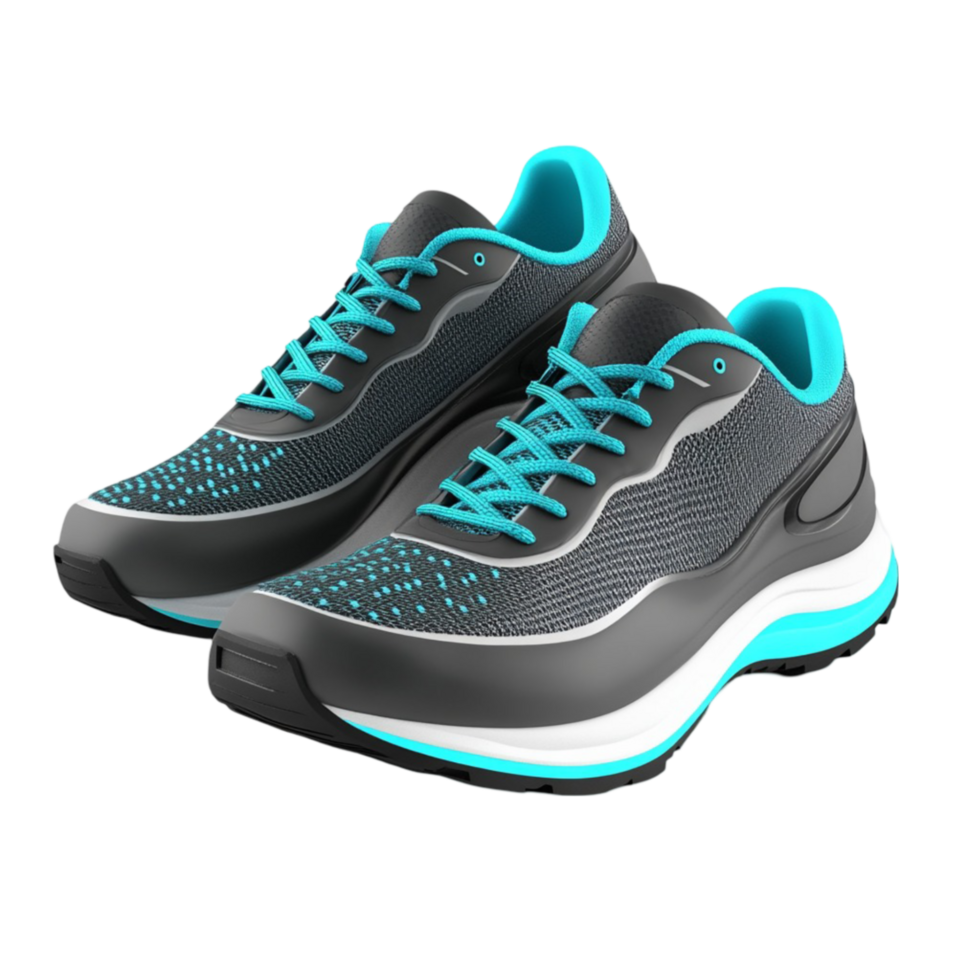

There is nothing quite like lacing up a brand new pair of running shoes. The foam feels springy, the upper looks crisp, and every step seems full of promise, but that first run can also bring surprises: a stiff heel collar, a snug toe box, or calves that feel oddly worked after an easy jog.
I am Muhammad, editor of RunningShoes.fit, and most of that stiffness is completely normal. Modern shoes are built from foams and engineered meshes that need a little time to flex with your feet, and this guide shows how to break in new running shoes the right way, so the shoes adapt to you without an injury along the way.
Why new running shoes feel stiff at first
Midsole foams arrive from the factory in their firmest state. It takes a few easy runs to compress the tiny cells inside the foam so it rebounds the way the designers intended, and the upper needs time too, because engineered mesh and knit fabrics gradually relax and mould around your foot.
The heel counter and overlays are another common source of first run stiffness. They hold your foot securely, and they soften with body heat and repeated movement, which is why a shoe can feel spot on in the shop and noticeably better by run four or five.
The gradual mileage plan that works
The safest way to break in new running shoes is also the simplest: start short, keep it easy, and build up. Your feet, calves, and Achilles need time to adjust to the geometry under them, even if the new pair is the same model as the last one, and the Runner’s World guide to switching shoes recommends the same patient approach.
Days 1 to 3: keep it short and easy
Begin by wearing the shoes around the house for an hour or two to check for pressure points. Then take them out for two or three easy runs of 20 to 30 minutes, on forgiving surfaces like a track or smooth pavement.
Pay attention to hot spots rather than pushing through them. General stiffness is fine, but a sharp rub on the heel or a toe that goes numb is information, not something to tough out, and these first outings are when the upper starts to take on the shape of your foot.
Days 4 to 7: build the distance
If the first few runs felt good, stretch one run to 45 or 60 minutes and keep the rest easy. You can add a few gentle strides on a soft surface to let the midsole flex through its full range of motion, but save long runs, hard intervals, and races for the old pair for now.
Rotating the new shoes with your previous pair works well during this phase. Alternating gives any mild irritation time to settle, and it gives you a direct comparison of how the new shoes feel as they loosen up.
Week 2: run normally
By the second week, most daily trainers feel like themselves. The foam has been through several compression cycles, the upper has relaxed, and your body has adjusted to the ride, so you can use the shoes for normal training, including longer runs and workouts.
Racing shoes and trail shoes with aggressive lugs sometimes need a little longer. Give them an extra week of easy miles before an important event, because on race day the tried and tested pair is always the safer choice.
What is normal and what signals a bad fit
Some discomfort during break in is normal. Expect mild stiffness across the top of the foot, a heel counter that feels firm for the first few runs, and calves that notice the new geometry, and all of it should fade steadily within the first 30 to 50 kilometres.
A bad fit feels different. Toes banging the front on downhills, numbness that does not ease when you loosen the laces, heel slippage that no lacing trick fixes, or sharp pain under the arch all point to the wrong shoe, not a new shoe, and our guide on how running shoes should fit covers the thumb width rule and the best time of day to try shoes on.
Getting the size right at the start matters more than any break in trick. The ASICS size guide explains how to measure your feet at home, and it is worth ten minutes before you commit to a pair.
Lingering arch discomfort deserves particular attention, because the wrong support can turn a minor irritation into a genuine injury. If the ache sits right under your arch and hangs around after runs, compare notes with our roundup of the best running shoes for arch pain to see whether a different shape would suit you better.
Break in myths to avoid
Baking them in the oven
Warming shoes in the oven is supposed to soften the foam, but uncontrolled heat breaks down the adhesives holding the shoe together and can permanently deform the midsole. Some ski boots are designed for heat moulding, but running shoes are not, and you risk delamination, a warped heel counter, and a voided return policy to save a few easy runs.
Running them through the washing machine
A washing machine cycle batters the structural elements of the shoe, and tumble dryer heat is even worse for modern foams and glues. If your shoes need freshening up, hand wash them gently instead, and our guide on how to clean running shoes shows how to do it without wrecking the cushioning.
Wearing them all day straight away
Spending a full day on your feet in stiff new shoes sounds like a fast track to comfort, but it often creates blisters before you ever run a step. Short, controlled exposures beat one marathon day of wear.
Assuming they will stretch to fit
Uppers relax a little with wear, but they do not magically grow a full size. A shoe that feels painfully tight in the shop will feel painfully tight on the run, so buy the fit you need on day one, with a thumb’s width of space ahead of your longest toe.
Small details that speed things up
The right socks make a bigger difference than most runners expect. A proper running sock with a snug heel and moisture wicking yarn cuts friction while the shoe’s interior is at its stiffest, while thick cotton socks hold sweat against the skin and invite blisters.
Lacing technique matters too. A runner’s loop through the extra eyelet locks the heel down without crushing the top of your foot, and skipping an eyelet over a pressure point can calm a hot spot.
If you run in orthotics or aftermarket insoles, put them in from the very first wear so the shoe breaks in around them. And think ahead: even perfectly broken in shoes wear out, so it helps to know how many miles running shoes last and to track your mileage from day one.
When to return the shoes instead
Good running shops offer trial periods, often around 30 days, precisely because true fit reveals itself on the run. If sharp pain, numbness, or recurring blisters persist past 40 to 50 kilometres of gradual use, the shoes are probably not right for your feet.
Keep the shoes reasonably clean and hold on to your receipt until you are certain. Do not feel guilty about using a trial policy, because running in the wrong shoes costs far more in physio bills than a swap.
Watch: how to break in your running shoes
This REI video walks through the break in process step by step. It is a useful visual companion to the gradual plan above.
Frequently asked questions
How long does it take to break in new running shoes?
Most daily trainers feel comfortable after 30 to 50 kilometres, roughly one to two weeks of regular running. Firmer racing shoes and trail models can take a little longer, and if discomfort is not fading by then, the fit is probably wrong.
Should new running shoes hurt at first?
Mild stiffness is normal, but real pain is not. Sharp pain, numb toes, or blisters that keep coming back are signs of a bad fit, and no break in period will fix those.
Can I break in running shoes by walking in them?
Walking helps the upper mould to your foot and reveals pressure points early, so it is a useful first step. The midsole foam still needs the repeated impact of running, so treat walks as a supplement to short easy runs.
Is it OK to do a long run in brand new shoes?
It is best avoided. Long runs multiply every small fit issue, turning a minor hot spot into a blister, so build up over one to two weeks of shorter runs before trusting a new pair for long efforts or race day.
Do I need to break in the same model again?
Yes, at least briefly. Foam batches vary and brands make small tweaks between production runs, so even an identical model can feel slightly different out of the box. Give every new pair a few easy runs first.
The bottom line
Breaking in new running shoes comes down to patience more than anything else. Short easy miles, honest attention to what your feet are telling you, and no shortcuts involving ovens or washing machines, because the rule that matters is build up gradually and the shoes will follow.
Every pair is a small investment in your running, so treat the first two weeks as part of that investment.




Pingback: How to Clean Running Shoes Without Damaging Them