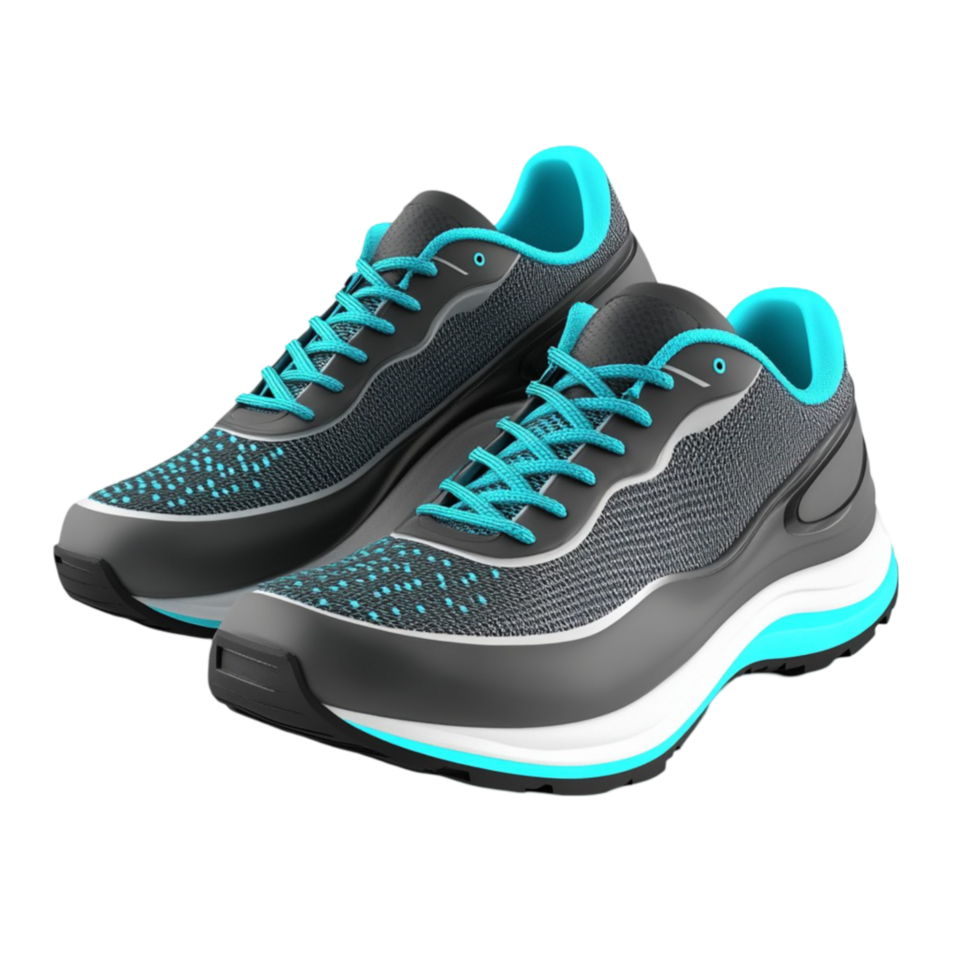

Everyday runs make up the bulk of every training plan. Easy miles, steady miles, the occasional long run: nearly all of it happens in one workhorse pair. Choosing the right running shoes for everyday runs is the single most useful gear decision a runner makes.
I am Muhammad, editor of RunningShoes.fit, and I have run in dozens of daily trainers over the years. The best ones share the same traits: comfort you stop noticing, cushioning that lasts, and a fit that still works on tired feet. Here is how to find yours.
Why road running hurts
Pavement does not absorb shock, so your body does. Every footstrike sends force up through your feet, ankles, knees, and hips, mile after mile. The usual complaints from daily road miles are shin splints, aching arches, and sore knees, and cushioned shoes that fit well and get replaced on time take the edge off all three.
What a daily trainer actually is
A daily trainer is a versatile road shoe built for most of your weekly mileage. It is cushioned enough for long runs, responsive enough for strides, and durable enough to handle hundreds of miles. If you only own one pair of running shoes, this is the category to shop.
Most daily trainers are neutral shoes, meaning they do not try to correct your gait. If you need stability, supported versions of the same idea exist. My guide to the best neutral running shoes covers the top options in more depth.
What to look for
Cushioning that lasts
Look for a midsole that feels soft but not mushy. The foam should protect your legs on easy days and still have some life when you pick up the pace. Cheap foam goes flat quickly, so this is where spending a little more pays off.
Fit
Fit matters more than features. Leave a thumb’s width in front of your longest toe, and make sure the heel does not slip when you jog a few strides. My walkthrough on how running shoes should fit has the full checklist.
Weight
Daily trainers are not racing shoes, but heavy shoes add up over a long run. Most good options sit between 8 and 10 ounces. Lighter is nicer, but never at the cost of comfort.
Durability
A daily trainer should last 300 to 500 miles. Check the outsole rubber coverage and pay attention to what owners say about foam longevity. My guide on how long running shoes last explains what to watch for as the miles build.
Daily trainers worth buying
These are the workhorses I recommend most often. Each one has a long track record, and each suits a slightly different kind of runner.
Brooks Ghost 18: the reliable pick
The Ghost is the classic daily trainer for a reason. Cushioned, comfortable, and available in multiple widths, it suits a huge range of runners and handles everyday miles without drama. See it on the official Brooks Ghost 18 page.
New Balance 880v15: the plush pick
If you want maximum softness for easy miles, the 880v15 delivers. Fresh Foam X cushioning and wide options make it a favourite for high mileage weeks. Check the official New Balance 880v15 page for the current version.
Nike Pegasus: the versatile pick
The Pegasus has been the do everything trainer for decades. It handles daily miles and tempo days alike, which makes it ideal if you want one shoe for your whole week of running. It rarely tops any single category, but it is good at all of them.
| Shoe | Character | Best for |
|---|---|---|
| Brooks Ghost 18 | Balanced and dependable | A safe pick for almost any runner |
| New Balance 880v15 | Plush and protective | Easy miles and high mileage weeks |
| Nike Pegasus | Versatile all rounder | One shoe for the whole week |
Staying healthy on daily miles
Most running injuries come from too much, too soon, not from shoes alone. But worn out trainers contribute their share. Replace shoes before the cushioning dies, and increase your mileage gradually rather than jumping ahead.
The American Academy of Orthopaedic Surgeons has a solid overview of athletic shoe basics worth reading if you want the medical perspective on fit and replacement.
How many pairs do you need
One good daily trainer is enough to start. As mileage grows, many runners add a second pair to rotate. Rotation extends the life of each shoe and gives your feet welcome variety.
If you are building a rotation on a budget, my list of the best cheap running shoes has wallet friendly options that still perform. Start with one great pair, then add the second when your mileage justifies it.
Rotating two pairs
If you run most days, rotating two pairs of daily trainers is worth it. Alternating shoes lets the foam fully rebound between runs, which extends the life of each pair. It also varies the stress on your feet and legs, which many runners find keeps niggles away.
There is research behind this: a study by Malisoux and colleagues found that runners who rotated their shoes had a lower injury risk than those who always ran in the same pair. You do not need two identical shoes either. Pair a cushioned trainer with a slightly firmer one, and your feet get useful variety.
Small things that matter
Modern road shoes need little break in, but give a new pair one or two short runs before a long effort. Keep your old pair for a week or two as backup in case a hot spot appears.
Socks matter too. The right socks prevent blisters as much as the right shoes, so look for moisture wicking running socks, and match your sock thickness to your shoe fit. A thick sock in a snug shoe is a blister recipe.
When to replace them
Watch for new aches, smooth tread, and creased midsoles. Most trainers fade between 300 and 500 miles, so track your runs in an app rather than guessing. A shoe that felt protective in month one can feel harsh by month five, and that change is the signal.
Watch: the best daily running shoes 2026
The Run Testers run in everything and keep honest notes. Their 2026 daily trainer roundup below features the top picks from Adidas, ASICS, Nike, New Balance, and more.
Frequently asked questions
What is the difference between a daily trainer and a racing shoe?
Daily trainers prioritise comfort, cushioning, and durability for regular mileage. Racing shoes prioritise light weight and speed, often with carbon plates, at the cost of comfort and longevity. Most runners do the large majority of their miles in daily trainers.
Can I use one pair of shoes for all my runs?
Yes, especially when you are starting out. A good daily trainer handles easy runs, long runs, and even some speed work. Serious runners eventually add specialised pairs, but one solid trainer covers most training.
How many miles do daily trainers last?
Typically 300 to 500 miles. Heavier runners and hard surfaces wear shoes faster. Track your mileage and watch for new aches or flattened cushioning as the signs it is time for a new pair.
Should everyday running shoes be neutral or stability?
Most runners do best in neutral daily trainers. If you overpronate significantly, or have been advised to use support, look at stability versions instead. A gait analysis at a running store can settle the question, and the ASICS Gel-Kayano 33 is the classic stability pick.
Are expensive running shoes worth it for daily runs?
Up to a point: the jump from a budget shoe to a mid range shoe usually buys better foam and durability. Beyond that, you are mostly paying for lighter weight or race tech. For daily miles, comfort and fit matter far more than price.
The bottom line
Your daily trainer is the foundation of your running. Get the fit right, pick proven cushioning, and replace shoes before they are dead, and it becomes the one you reach for without thinking. Do that, and the miles take care of themselves.




Pingback: Best Women's Running Shoes With Arch Support in 2026
Pingback: Best Running Shoes for High Arches 2026
Pingback: Best Running Shoes with Arch Support 2026
Pingback: Best Road Running Shoes for Shin Splints 2026
Pingback: Best Cushioned Running Shoes for Diabetic Feet
Pingback: Best Running Shoes for 5K & 10K Races in 2026
Pingback: Nike vs Adidas for Arch Support: Which Is Better?
Pingback: Nike Pegasus 42 vs Adidas Ultraboost: Which Daily Trainer Wins?
Pingback: Best Waterproof Running Shoes in 2026: Gore-Tex Picks for Rain and Mud
Pingback: Best Trail Running Shoes in 2026 for Every Terrain