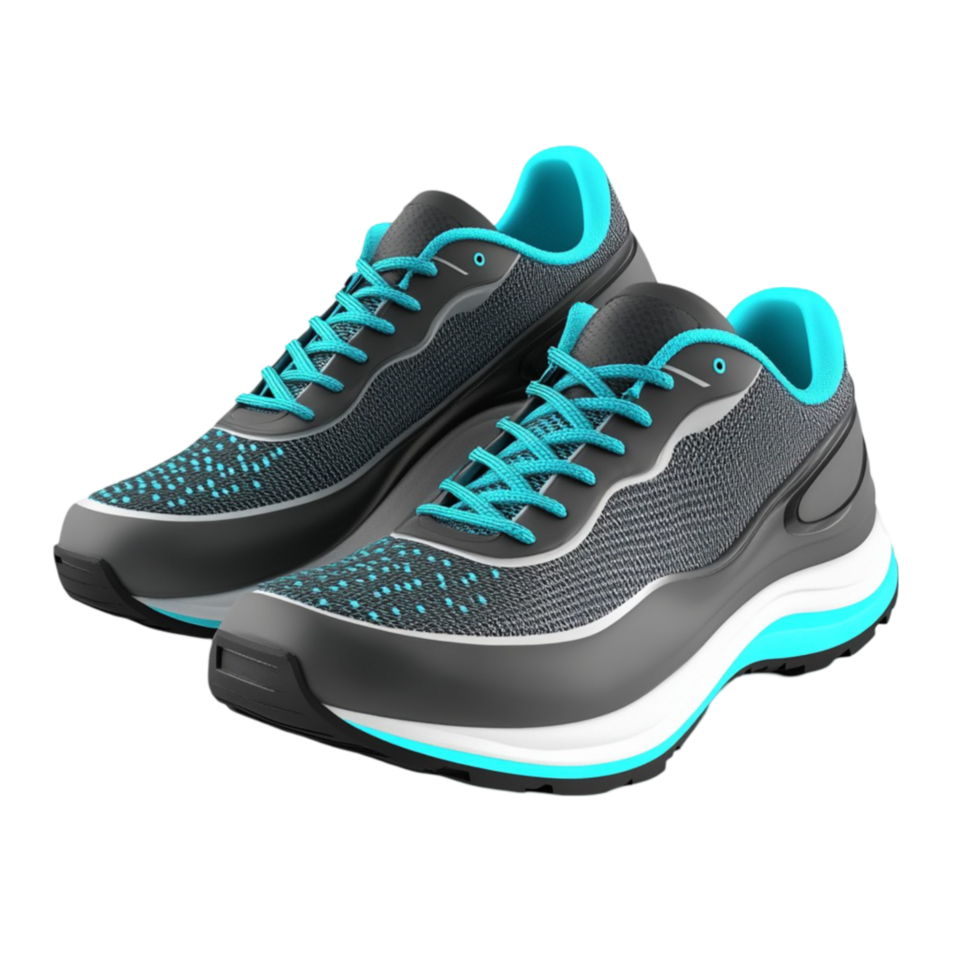
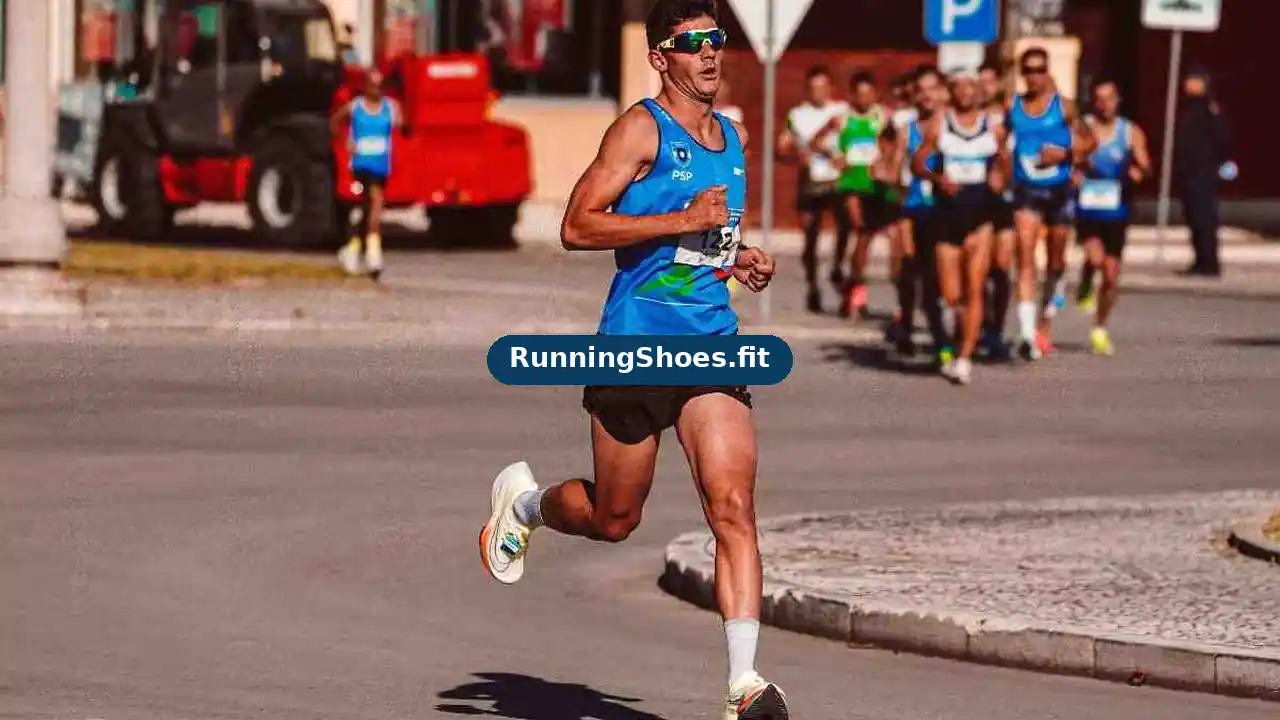

Chasing a new personal best, or just hoping race day feels a little kinder on your legs? The best 5K and 10K running shoes can genuinely change how the race goes. These distances ask for something specific: speed you can feel, cushioning that keeps working when you are tired, and a fit you stop noticing the moment the gun goes off.
I am Muhammad, editor of RunningShoes.fit, and this guide breaks down what racing at these distances actually demands, then picks the shoes that deliver it. Plenty of runners race in their daily trainers, and that works, but a racing shoe gives you something extra: lighter weight, snappier foam, and a locked down upper.
What 5K and 10K racing asks of your shoes
A 5K is 3.1 miles of controlled aggression. You are running near your limit almost the entire way, so the shoe needs to feel light and quick, with nothing slowing your turnover.
A 10K doubles the distance to 6.2 miles, and the pace is still hot, but fatigue starts talking to you around mile four. A touch more cushioning helps your legs hold their form through those final miles without dulling the fast feel.
Features that matter on race day
Lightweight build
Weight matters more the shorter the race, because every extra gram is energy spent lifting your foot instead of driving forward. Race shoes cut the extras: thin uppers, minimal overlays, and only as much structure as your foot truly needs. The reward is quicker turnover and legs that feel fresher when it counts.
Responsive cushioning
Race shoes still cushion your stride, they just do it differently. Instead of the soft, plush foam in your daily trainers, they use springy foams that compress fast and snap back hard, so you put energy in and the shoe hands some of it back.
Many racers also hide a carbon fibre plate inside the midsole, which stiffens the shoe and works like a lever at toe off. Still on the fence about the hype? Our breakdown of carbon plate running shoes looks at who actually benefits.
Secure, breathable upper
The upper should hold your foot still without creating hot spots, and thin engineered mesh moves air while keeping weight down. A great race upper basically disappears on your foot, and if you are thinking about your shoes in the middle of a 10K, something is not right. Our guide on how running shoes should fit covers the checks to run before race day.
Grippy outsole
You want traction you can trust, especially when cornering or kicking for the line. Race shoes put rubber only where it counts, so you get grip without dead weight. The outsole will not last like a trail shoe, but for road racing, confident footing at speed is the whole point.
Best shoes for 5K and 10K races
Carbon-plated racers
These are the full send option: a full length carbon plate inside a tall stack of bouncy foam. The Nike Vaporfly and Alphafly set the standard, with ZoomX foam paired with a plate for the most proven personal best option out there.
The Saucony Endorphin Pro uses PWRRUN PB foam with a carbon plate and SPEEDROLL geometry for a snappy, rolling ride that many runners find less harsh. The Adidas Adizero Adios Pro pairs EnergyRods with Lightstrike Pro foam for a smooth, natural feeling push that shines at 5K and 10K as much as at the marathon.
Versatile speed trainers
Not ready for a full super shoe, or want one shoe for workouts and races? The Hoka Mach uses a PROFLY+ midsole for a lively ride with no plate involved, so it can also handle regular training miles.
The Brooks Hyperion Tempo is light, quick, and plate free, built for tempo days and shorter races. The New Balance FuelCell Rebel is a lightweight trainer that loves fast running, and it is one of the most fun shoes for the price.
Cushioned options with speed
Some runners want a little more protection underfoot, even when racing short. The ASICS Metaspeed Sky and Edge are carbon plated racers tuned for different stride types, with the Sky suiting long striding runners and the Edge favouring quick cadence.
The Mizuno Wave Rebellion Pro uses an aggressive rocker geometry with responsive foam and a plate. It feels unusual for the first mile, then it clicks.
| Shoe | Type | Best for |
|---|---|---|
| Nike Vaporfly | Carbon racer | Personal best attempts |
| Nike Alphafly | Carbon racer | Cushioned 10K speed |
| Saucony Endorphin Pro | Carbon racer | Propulsion without harshness |
| Adidas Adizero Adios Pro | Carbon racer | Smooth, natural speed |
| Hoka Mach | Speed trainer | Racing and training in one shoe |
| Brooks Hyperion Tempo | Speed trainer | Tempo days and shorter races |
| New Balance FuelCell Rebel | Speed trainer | Fun, light fast miles |
| ASICS Metaspeed Sky and Edge | Carbon racer | Stride or cadence tuning |
| Mizuno Wave Rebellion Pro | Carbon racer | Aggressive rocker fans |
Racing on a budget
Super shoes are fun, but nobody needs to spend a fortune to run a good 5K. Plenty of affordable trainers are light and lively enough for race day, especially if you are new to racing.
The trick is knowing where the value is, and our roundup of the best cheap running shoes covers budget picks that can handle speedwork and race day.
How to pick your race shoe
Start by knowing your feet. Most race shoes are built for neutral runners, since plates and minimal uppers leave little room for stability features, so if you overpronate, look for the mild stability options some brands offer in their speed lines. Mayo Clinic Health System shares practical tips on choosing running shoes that are worth a read before you buy.
Next, match the shoe to your goals honestly. Chasing a personal best and comfortable in minimal, fast shoes points to a carbon plated racer, while a versatile speed trainer will make newer racers happier. The fastest shoe on the shelf is only fast if it suits your feet and your fitness.
Try race shoes on in person when you can, ideally later in the day when your feet are slightly swollen, and jog around the store rather than just the carpet square. You want about a thumb width between your longest toe and the end of the shoe: snug in the heel and midfoot, roomy enough up front that nothing pinches when your feet swell mid race. New runners should start with our guide to the best running shoes for beginners.
Breaking in and looking after racers
Never wear a brand new pair of shoes on race day. Start with short, easy runs and build up to a workout or two, with around 30 to 50 miles as a good rule of thumb before you trust a pair in competition. That dress rehearsal is what keeps race morning surprise free.
Race shoes are delicate, so treat them that way: pull the insoles out after a run and let everything air dry away from direct heat, and skip the washing machine. Save them for races and key workouts and they will stay lively much longer. Our guide on how many miles running shoes last breaks down the retirement signs, and the CDC physical activity guidelines are a useful reminder of why all those miles matter.
Watch: 5K and 10K racing shoes
The video below reviews racing shoes for shorter road races. It is a good way to see the current contenders side by side before you shortlist a pair.
Frequently asked questions
Can I use the same shoe for 5K and 10K races?
Yes. Most modern racers handle both distances well. If you only want one pair, pick a versatile carbon plated shoe or a light speed trainer with a bit of cushioning. Pure 5K flats run lighter and firmer, while 10K friendly options add a touch more protection.
Are carbon-plated shoes worth it for slower runners?
They can still help, because the plate and bouncy foam improve running economy at most paces, not just elite ones. The gains are bigger the faster you run, and the price is steep. If you race a few times a year and want every edge, they are worth trying.
How should race shoes fit compared to daily trainers?
Snugger, but not tight. Your heel should feel locked in with no slipping, and you still want a thumb width of space ahead of your longest toe. Feet swell during races, so a fit that feels perfect standing still can turn painful by mile five.
How many miles do race shoes last?
Less than your trainers. Most racers stay lively for 100 to 300 miles, depending on the model and how you use them. Save them for races and key workouts, and they will keep their pop much longer than if you train in them daily.
Should beginners buy racing shoes?
Not right away. New runners get more from a comfortable daily trainer while they build fitness and figure out their stride. Once you are racing regularly and chasing times, a dedicated racer starts to make sense.
The bottom line
Lightweight build, responsive cushioning, a locked in fit, and trustworthy grip: get those four right and race day takes care of itself. Whether you go full super shoe or stick with a versatile trainer, take the time to get the fit right and break them in before the big day.
Remember, good shoes will not run the race for you, but they make every stride count. If you are stepping up in distance next, our guide to the best running shoes for a half marathon is the natural next read.

Pingback: What to Look for When Buying Running Shoes
Pingback: Best Running Shoe Brands in 2026: Top Picks
Pingback: How Long Do Running Shoes Last?
Pingback: Best Women's Running Shoes With Arch Support in 2026
Pingback: Best Running Shoes for Half Marathon: Training & Racing