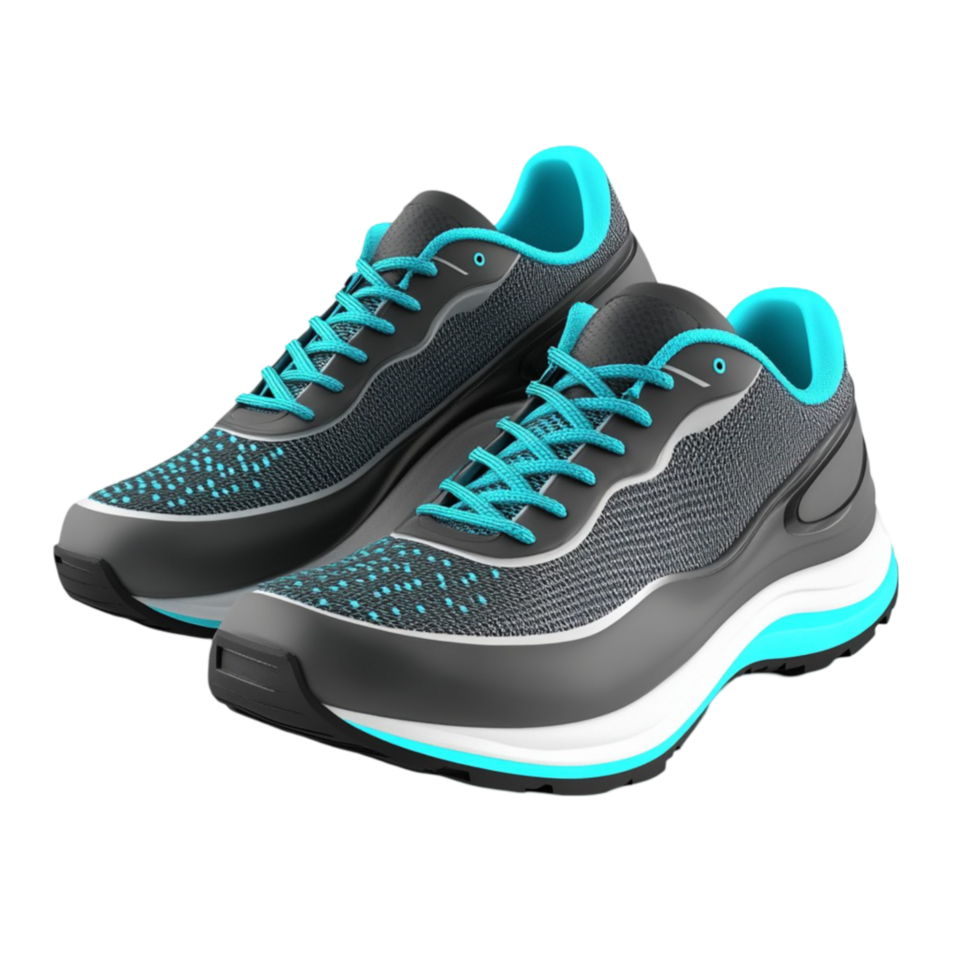
Are you a dedicated runner who cringes at the thought of shelling out hundreds for new footwear? The good news is that high performance doesn’t always come with a hefty price tag. Many runners mistakenly believe that only premium, top-tier shoes can deliver the comfort, support, and durability needed for consistent training.
However, the market is rich with excellent, budget-friendly options designed to help you hit your stride without breaking the bank. This article will guide you through finding the **best cheap running shoes that still perform**, ensuring you get great value and effective support for your runs.
The Myth of Expensive Running Shoes
For a long time, the perception has been that quality running shoes must be expensive. This isn’t entirely true in today’s competitive market. Advances in manufacturing and materials have made it possible for brands to produce high-performing footwear at more accessible price points.
You can often find older models of popular shoes or dedicated budget lines that leverage similar technologies as their pricier counterparts. These shoes offer ample cushioning, reliable support, and decent durability for most runners. Consequently, focusing purely on price can lead you to overlook some fantastic value options.
Key Features to Prioritize in Affordable Running Shoes
When searching for economical running shoes, it’s crucial to understand what truly matters. Not all budget shoes are created equal, so knowing which features to prioritize will help you make an informed decision. Look for a balance of comfort, support, and durability tailored to your specific running needs.
Cushioning and Comfort
Even at a lower price point, adequate cushioning is non-negotiable for impact absorption. Look for midsoles made from EVA foam or similar proprietary blends that offer a responsive yet protective feel. The goal is to reduce stress on your joints during each stride.

Comfort extends beyond cushioning; it also involves the shoe’s upper. Seek breathable mesh materials that allow for good airflow and a comfortable, secure fit without irritation. A well-padded collar and tongue can also significantly enhance overall comfort during longer runs.
Support and Stability
Different runners require varying levels of support. Neutral runners may only need basic cushioning, while those needing stability will benefit from features that prevent excessive pronation. Many budget shoes offer mild stability features, such as denser foam on the medial side or specific sole geometries.
Understanding your foot type and gait is essential. A quick wet test or observation of your old shoes’ wear patterns can give you clues. Choosing a shoe that aligns with your natural foot mechanics will prevent discomfort and potential injuries.
Durability of Materials
A cheap shoe that falls apart after a few weeks is no bargain. Examine the outsole for durable rubber compounds, particularly in high-wear areas like the heel and forefoot. A robust upper construction, often featuring synthetic overlays, will also contribute to the shoe’s longevity.
Checking reviews for comments on durability can be very insightful. Many budget-friendly shoes are designed to withstand hundreds of miles, making them a smart investment. Always consider the expected lifespan relative to the price.
Proper Fit and Sizing
The fit of a running shoe is paramount, regardless of its cost. An ill-fitting shoe can lead to blisters, black toenails, and other foot problems. Always try on shoes towards the end of the day when your feet are slightly swollen to ensure the best fit.
There should be about a thumb’s width of space between your longest toe and the end of the shoe. Your heel should feel secure, and the midfoot snug but not tight. Do not compromise on fit for a lower price.
Identifying Your Running Needs and Foot Type
Before diving into specific models or brands, take a moment to assess your own running profile. Your individual needs significantly influence which budget shoe will perform best for you. Understanding these aspects will streamline your search.
Road Running vs. Trail Running
Most budget running shoes are designed for road running, offering smooth outsoles and ample cushioning for hard surfaces. If you primarily run on paved roads, sidewalks, or treadmills, these are generally suitable. Their lighter construction prioritizes responsiveness and comfort.
For trail runners, even on a budget, specific features are essential. Look for shoes with more aggressive outsole lugs for grip on uneven terrain and reinforced uppers for protection against debris. While dedicated trail shoes can be pricier, some brands offer entry-level trail options that provide basic protection and traction.
Gait Analysis and Arch Type
Your gait refers to how your foot moves during a run. It’s broadly categorized into neutral, overpronation, and supination.
Neutral: Your foot lands and rolls inward slightly, then pushes off evenly.
Overpronation: Your foot rolls inward excessively, often seen with flat arches.
Supination (Underpronation): Your foot doesn’t roll inward enough, putting pressure on the outer edge, common with high arches.
Many running shoe stores offer free gait analysis, which can be incredibly helpful. Alternatively, observing the wear pattern on your old shoes can provide clues. Shoes with extra stability features are best for overpronators, while neutral shoes suit those with neutral gaits or supination.
Top Brands Known for Value Performance
Several reputable running shoe brands consistently offer excellent budget-friendly options without sacrificing core performance. These brands understand the market for economical footwear and integrate reliable technologies into their lower-priced lines.
Saucony
Saucony is renowned for its commitment to running and often provides fantastic value. Their entry-level models, such as the Cohesion series, are frequently praised for their balanced cushioning and durable outsoles. These shoes are reliable workhorses for daily training and casual runs.
Furthermore, Saucony often incorporates their fundamental cushioning technologies across various price points. This means you can often find a taste of their signature comfort and performance even in their more affordable offerings. They are a solid choice for consistent, everyday use.
ASICS
ASICS is another powerhouse in the running shoe world, particularly known for its GEL cushioning technology. While their premium models can be expensive, ASICS also produces a range of budget-friendly shoes like the GEL-Contend or Jolt series. These models often feature a simplified version of their GEL cushioning, providing decent shock absorption for a comfortable ride.
Their focus on foundational support and cushioning makes them a popular choice for new runners or those seeking reliable comfort without a high investment. ASICS shoes often boast good durability, which is a key factor for budget-conscious buyers.
New Balance
New Balance offers a wide spectrum of running shoes, including many excellent value propositions. Models like the New Balance 410 or 520 are often recommended for their versatility and comfort. They tend to have a more traditional fit, which many runners appreciate.
The brand is known for its consistent quality and a focus on foot health. You can expect a good balance of cushioning and support in their more affordable lines, making them suitable for everyday training and light activities. New Balance also often offers various width options, which can be a huge benefit for runners with specific fit needs.
Brooks
While Brooks is often associated with premium running shoes, they do offer some excellent entry-level options that provide great value. The Brooks Revel, for example, is often available at a more accessible price point and delivers a responsive, comfortable ride suitable for daily training.
Brooks prioritizes a smooth ride and reliable cushioning across its lineup. Even their budget models benefit from their extensive research and development. They are a great option for runners who appreciate a well-engineered shoe that performs consistently.
Maximizing the Lifespan of Your Affordable Running Shoes
Even the **best cheap running shoes that still perform** will only last as long as you take care of them. Proper maintenance is crucial for extending the life of your footwear, ensuring you get the most miles out of your investment. A little effort goes a long way in preserving their performance.
Regular Cleaning and Drying
After muddy or wet runs, clean your shoes promptly. Remove any loose dirt with a soft brush, and if necessary, gently wipe them with a damp cloth and mild soap. Avoid using harsh chemicals or putting them in a washing machine, as this can damage the materials and adhesives.
Allow your shoes to air dry naturally at room temperature. Stuffing them with newspaper can help absorb moisture and maintain their shape. Never put them in a dryer or near a direct heat source, as this can cause materials to shrink or crack.
Proper Storage
Store your running shoes in a cool, dry place away from direct sunlight. Excessive heat can degrade midsole foams and glues over time. Keeping them in a well-ventilated area also prevents odors and mildew. Avoid cramming them into tight spaces, which can distort their shape.
Rotation and Usage
If possible, rotate between two pairs of running shoes. This allows the cushioning foam in each pair to fully decompress and recover between runs, extending its effective lifespan. It also ensures you always have a dry pair ready.
Avoid using your running shoes for activities other than running. Wearing them for casual walks, gym workouts, or yard work can accelerate wear and tear, especially on the outsole and upper. Reserve them for their intended purpose to maximize their running-specific performance.
When to Consider Upgrading Your Running Shoes
While budget-friendly shoes offer excellent value, they still have a limited lifespan. Knowing when it’s time to replace your shoes is vital for injury prevention and continued comfort. Ignoring these signs can lead to discomfort or more serious issues.
Mileage and Time Guidelines
Most running shoes are designed to last between 300 and 500 miles, or approximately 4-6 months for regular runners. Keep a log of your mileage to track when they might be nearing the end of their useful life. However, this is a general guideline; heavier runners or those with aggressive gaits might see shoes wear out faster.
Even if the outsole looks fine, the cushioning and support can degrade over time. The midsole foam compresses and loses its ability to absorb impact effectively. Therefore, even if you don’t track mileage, consider replacing shoes that are older than 6-8 months of regular use.
Visible Wear and Tear
Look for obvious signs of wear. Worn-down outsoles, especially in key impact areas, indicate reduced traction and cushioning. Tears in the upper mesh, holes in the lining, or a collapsed heel counter are also clear signals that the shoe’s structural integrity is compromised.
Pay attention to any asymmetry. If one shoe looks visibly more compressed or worn than the other, it might indicate an imbalance in your stride or that the shoe is past its prime. Uneven wear can lead to compensatory movements and potential injury.
Changes in Comfort or Performance
Perhaps the most crucial indicator is how your body feels. If you start experiencing new aches, pains, or discomfort during or after runs, it’s often a sign that your shoes are no longer providing adequate support and cushioning. A sudden onset of knee pain, shin splints, or plantar fasciitis can frequently be linked to worn-out footwear.
If your shoes feel less responsive, less bouncy, or simply “dead,” their performance has likely diminished. Trust your instincts and your body’s signals. Prioritizing your well-being means replacing shoes before they become a detriment to your running. The National Institutes of Health provides valuable information on how proper footwear supports overall health and injury prevention.
Finding the Best Deals and Sales
Even the most affordable running shoes can be found at even better prices if you know where and when to look. Being a savvy shopper means leveraging sales, discounts, and outlet opportunities. This approach can further reduce the cost of your performance footwear.
Seasonal Sales and Clearance Racks
Retailers typically offer significant discounts during seasonal sales events like Black Friday, end-of-season clearances, or holiday promotions. Keep an eye on these periods. Furthermore, check the clearance sections of online and brick-and-mortar stores. You can often find last year’s models of popular shoes at a fraction of their original price.
Many brands release new versions of their shoes annually. When a new model comes out, the previous version often goes on sale, even if it’s still a perfectly capable and high-performing shoe. This is a prime opportunity to snag a great deal.
Online Retailers vs. Local Running Stores
Online retailers often have lower overheads, allowing them to offer competitive prices. Websites like Zappos, Amazon, or the official brand websites frequently have sales. However, local running stores offer the invaluable benefit of personalized fitting and gait analysis.
Sometimes, local stores will price match or offer loyalty discounts. It’s often worth checking both avenues. Consider visiting a local store for a fitting, then comparing prices online, or supporting your local business if the price difference isn’t too significant. The American Academy of Orthopaedic Surgeons emphasizes the importance of proper shoe fit for foot health.
Outlet Stores and Factory Seconds
Brand outlet stores can be a treasure trove for discounted running shoes. These stores often carry discontinued models, factory seconds (shoes with minor cosmetic flaws that don’t affect performance), or exclusive outlet lines. While selection might vary, the savings can be substantial.
Always inspect shoes carefully at outlet stores for any significant defects, though minor cosmetic issues are generally harmless. This approach allows you to acquire high-quality, performance-driven shoes at a significantly reduced cost, proving that you don’t have to sacrifice performance for price.
Frequently Asked Questions About Affordable Running Shoes
Are cheap running shoes bad for your feet?
Not necessarily. Many affordable running shoes from reputable brands incorporate good cushioning, support, and durable materials that are perfectly adequate for most runners. The key is to choose a shoe that matches your foot type and running needs, regardless of price. What matters most is a proper fit and sufficient support for your specific biomechanics, which can be found across various price points. Consulting with a professional at a running store for a gait analysis can help ensure you select a suitable pair.
How many miles can you get out of a budget running shoe?
The lifespan of a budget running shoe is similar to its pricier counterparts, typically ranging from 300 to 500 miles. This largely depends on factors like your running style, body weight, the surfaces you run on, and how well you maintain the shoes. While the materials might be slightly less advanced, good care and mindful usage can help them last just as long as more expensive options. Pay attention to how the cushioning feels and any visible wear to determine when replacement is needed.
What’s the difference between a cheap and an expensive running shoe?
The main differences often lie in the advanced technologies, premium materials, and specialized designs. Expensive shoes might feature lighter, more responsive foams, carbon fiber plates, highly engineered uppers, or more complex stability systems. Cheap running shoes, however, still provide essential cushioning and support using proven, slightly simpler materials and construction methods. For many recreational runners, these fundamental features are more than sufficient. The core functionality of protecting your feet and providing a comfortable ride remains in both categories.
Can I use cheap running shoes for long distances?
Yes, many affordable running shoes can certainly be used for long distances, provided they offer adequate cushioning and a comfortable fit for your foot type. While premium shoes might offer a slightly more plush or responsive ride over extended mileage, a well-chosen budget shoe can perform admirably. Ensure the shoe provides enough support and cushioning for your body over the duration of your longer runs, and listen to your body for any signs of discomfort. What’s crucial is the individual fit and how your body responds to the shoe.
How can I tell if a budget running shoe offers good support?
To assess support, first, understand your foot type (neutral, overpronator, supinator). For neutral runners, general cushioning and a stable platform are key. For overpronators, look for shoes with denser foam on the inner side of the midsole or features described as “stability” or “guide rails.” You can also perform a simple twist test: if the shoe twists easily in the middle, it might lack sufficient midfoot support.
A firm heel counter and a secure midfoot lockdown also contribute to overall support. Trying them on and taking a short jog will give you the best feel. The American Podiatric Medical Association offers guidelines on choosing appropriate athletic footwear to support foot health.
Conclusion: Smart Choices for Peak Performance on a Budget
Finding the **best cheap running shoes that still perform** is entirely achievable with a strategic approach. You don’t need to empty your wallet to secure comfortable, supportive, and durable footwear that propels your runs forward. By understanding your specific running needs, prioritizing key features like cushioning and fit, and exploring reputable brands known for value, you can make an informed decision that benefits both your feet and your finances.
Remember, the goal is to find a shoe that allows you to run comfortably and injury-free, regardless of its price tag. With proper care and timely replacement, your budget-friendly running shoes can be a reliable partner in achieving your running goals. Embrace the smart shopper in you and discover the incredible value waiting on the shelves. Happy running!


Pingback: Adidas or Nike Running Shoes? Compare Before You Buy
Pingback: Best Running Shoes for 5K & 10K Races in 2026
Pingback: Top Running Shoes with Arch Support Reviewed
Pingback: Best Running Shoes for Treadmill Workouts
Pingback: Best Road Running Shoes for Daily Training
Pingback: Best Women's Running Shoes With Arch Support in 2026