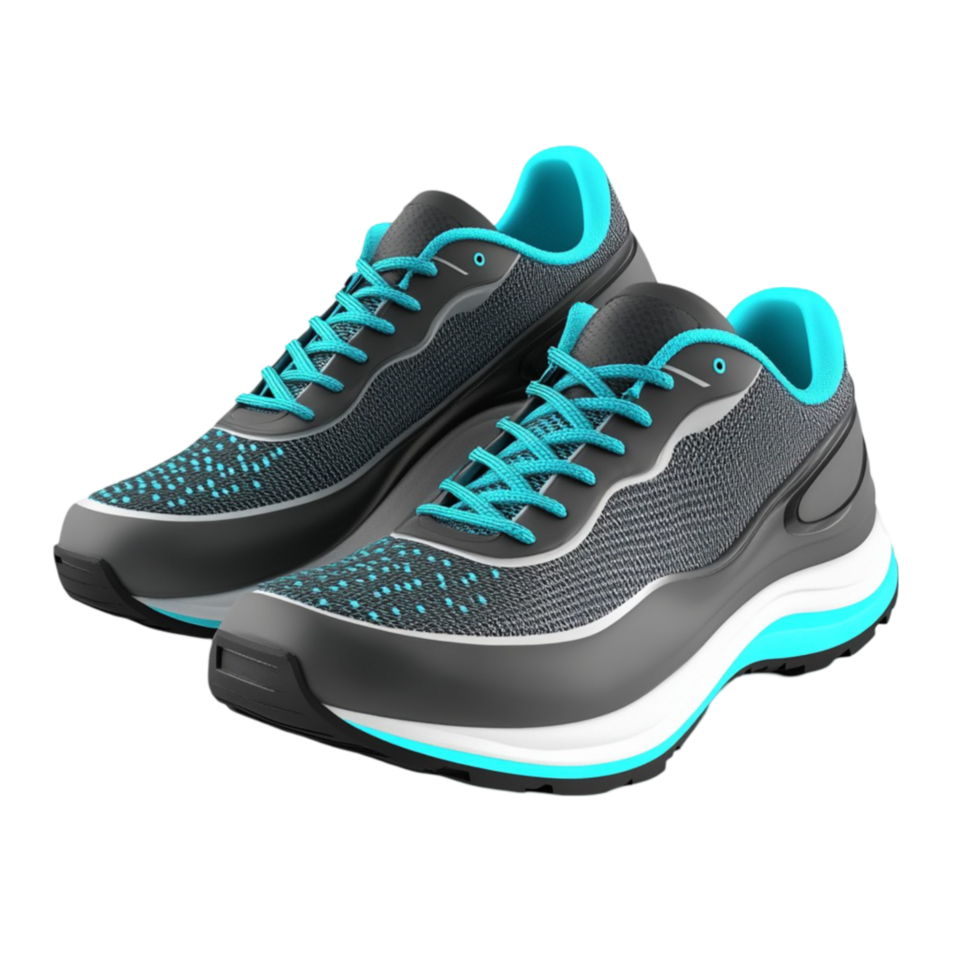


Stand at the start of any big city race and count the shoes. Most of the front rows are wearing carbon plate racers, and the rest are probably thinking about it. The obvious question follows: how much of that speed is actually the shoe?
I am Muhammad, editor of RunningShoes.fit, and my own rotation sums up the honest answer. Plated racers come out on race day.
Plain trainers carry the other ninety percent of my miles. This guide explains what the plate really does, who gains from it, and where your money works harder elsewhere.
What a carbon plate shoe actually is
Three parts turn a normal trainer into a super shoe. The first is the plate itself, a rigid sheet of carbon fiber running the length of the midsole. It stiffens the shoe at toe-off, so less of your energy disappears into bending foam.
The second is the foam around it. Most top racers use a thick stack of PEBA based foam that squashes under your weight and springs back hard. That rebound is the bounce everyone talks about, and it cushions the blow at the same time.
The third is shape. Plated racers use a strong rocker, with the sole curved up at the front and back. You roll from landing to push-off instead of slapping down flat, and the stride feels like it tips you into the next step.

What the plate does for your running
The benefit researchers keep measuring is running economy. Studies put the gain at roughly 1 to 4 percent, which means the same pace costs you slightly less effort.
Spread over a marathon, that saving grows into minutes. Runner’s World tests the latest models each season if you want a second opinion on which ones deliver.
Cushioning is the quieter half of the story. All that soft foam soaks up impact, so your legs take less of a beating deep into a long race. Plenty of runners say the bigger win is not the finish time, it is how much fresher they feel the next morning.
Then there is the feel. A good plated shoe makes fast running feel springy and a little reckless, in a good way. Confidence does not show up in lab numbers, but it shows up in how bravely you race the last third.
Who gets the most from them
Racers chasing a time
If a specific finish time is the whole point of your season, this is the most proven legal edge in the sport. The shoes were designed for exactly that job. Our guide to the best 5K and 10K running shoes covers race day picks across the shorter distances.
Marathon and half marathon runners
The longer the race, the more the economy gain and the cushioning stack up. Marathoners tend to feel it most in the final 10K, where saving your legs early pays out late. If you race one big marathon a year and train seriously for it, a plated racer is an easy case to make.
Everyday runners
Here is the part the adverts skip: the gains shrink as the pace slows. A few percent matters a lot when you are racing hard and much less on a relaxed Sunday run.
That said, if you simply love how they feel and the budget is there, that is a perfectly good reason. The Saucony Endorphin lineup shows how plated options now exist at several levels, not just the flagship tier.
The honest downsides
The price
Flagship plated racers cost far more than the trainers you log most miles in. For a shoe that might see ten outings a year, the cost per mile is steep. That maths works for a goal race and looks silly for parkruns.
They wear out faster
The soft foams that make these shoes fast are also fragile. They pack down and lose their pop sooner than the firmer foams in a daily trainer. Every easy mile you put on them is race day bounce you will not get back.
They change how your legs load
A stiff plate and an aggressive rocker move stress around. Your calves and feet may work harder while other muscles get a break, and most runners adapt without drama.
Ease in with short efforts first rather than debuting them on a long run. The AAOS guide to athletic shoes is a sensible read before any big footwear change.
Fitness still matters most
No plate outruns a skipped training block. A few percent from a shoe is real, but consistent mileage and honest workouts are worth far more. Buy the shoes to reward the work, not to replace it.
How to use them without wasting them
Treat a plated racer like a tool with one job. Race in it, and wear it for two or three key workouts beforehand so your legs learn the feel. Keep the bulk of your training in a regular workhorse, and our guide to choosing running shoes for daily runs will help you pick that pair.
Fit rules do not change because the shoe is fast. You still want a thumb’s width in front of your toes and a heel that stays put. Our breakdown of how running shoes should fit applies to racers exactly as it does to trainers.
Plated, partly plated, or no plate at all
Carbon is not the only route to a fast shoe. Plenty of tempo trainers use a nylon or glass fiber plate, or skip the plate and rely on light, responsive foam. Here is how the three families compare in plain terms.
| Type | Best for | Feel | How it lasts | Cost |
|---|---|---|---|---|
| Carbon plated racer | Race day and PB attempts | Bouncy, stiff, propulsive | Shortest life, save it for key days | Highest |
| Plated tempo trainer | Fast training days | Snappy but more forgiving | Outlasts a pure racer | Mid to high |
| Non plated tempo shoe | Training and budget racing | Light and responsive | Longest life of the three | Lowest |
Plenty of runners set personal bests in the second and third rows every weekend. Our roundup of the best running shoes to buy in 2026 includes speed options at friendlier prices if the flagship tier is hard to justify.
Frequently asked questions
Are carbon plate shoes only for elite runners?
No. Elites gain the most because they race at speeds where a few percent is huge, but everyday runners feel the same bounce and cushioning. You will get the best value from them on race day, whatever your pace.
Can I train in carbon plate shoes every day?
You can, but it is an expensive habit. The soft race foams wear down quickly and the stiff plate changes how your legs load, which most runners do not need seven days a week. Save them for races and key sessions, and do the bulk of your miles in regular trainers.
Do carbon plate shoes cause injuries?
There is no solid evidence that they injure runners more than normal shoes. They do shift stress toward the calves and feet, so build up gradually and pay attention to new aches. If something hurts, back off and let your legs adapt.
How long do carbon plate shoes last?
Less time than a daily trainer. Race foams compress and lose their spring faster than firmer training foams, and the loss is gradual enough that you may not notice until the shoe feels flat. Keeping them for races and big workouts stretches that life a lot.
What is a cheaper way to get a similar feel?
Look at plated tempo trainers and light non plated racers. They borrow much of the snappy, rolling feel for considerably less money, and they survive far more training miles. For many runners they are the smarter buy.
The bottom line
If you race with a time goal in mind, carbon plate shoes earn their price, and I would not stand on a marathon start line without them. If you run for fitness and fun, they are a treat rather than a need, and the money may serve you better in a second training pair. Either way, treat them as a race-day tool, not an everyday trainer, and they will pay you back every time it counts.




Pingback: Best Lightweight Running Shoes 2026
Pingback: Best Running Shoes for 5K & 10K Races in 2026
Pingback: Best Running Shoes to Buy in 2026: Top Picks for Runner
Pingback: Best Nike Running Shoes for Every Runner in 2026
Pingback: Best Running Shoes for Half Marathon: Training & Racing
Pingback: Best Running Shoes for Marathon Training (2026 Guide)