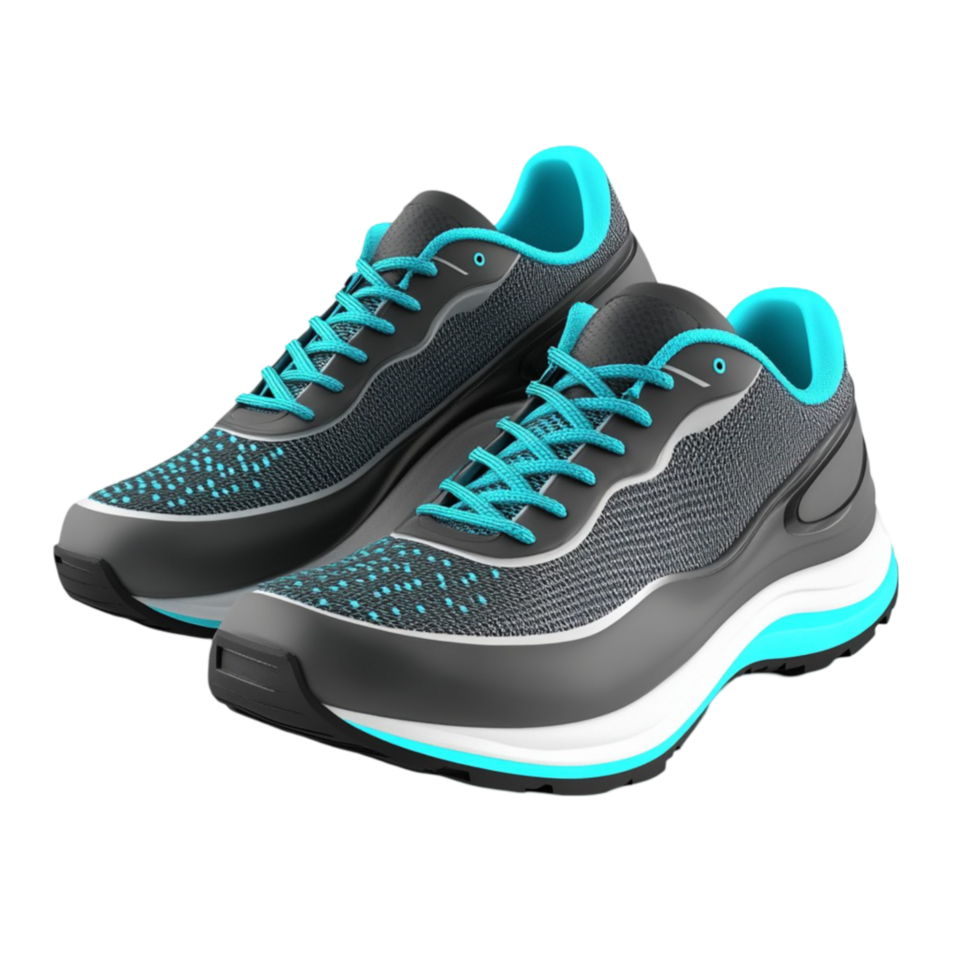


Marathon training is a different sport from casual running. When your weeks climb past 40 or 50 miles, your shoes stop being gear and start being equipment, and the wrong pair will not just feel bad. It will cost you weeks of training.
I am Muhammad, editor of RunningShoes.fit, and I plan my own marathon blocks around a small rotation of trusted pairs. This guide covers what marathon training demands from a shoe, how to match support to your feet, and the roles your rotation needs to fill.
Why marathon training is brutal on shoes
Every step you take loads your body with several times your body weight. Multiply that by thousands of steps per week, for 16 to 20 weeks, and you see the problem. Your shoes absorb a beating that casual running never delivers.
That pounding is why so many marathoners meet plantar fasciitis, runner’s knee, and Achilles tendinitis somewhere in the build up. Shin splints are another classic training block injury. The right shoes will not make you invincible, but they cut the risk meaningfully.
What to look for
Cushioning that lasts
Cushioning matters more here than anywhere else in running. You want generous midsole foam that stays responsive deep into long runs, not foam that feels dead by mile 18.
Soft is good. Mushy is not.
The right support
Neutral runners do best in neutral shoes that let the foot move naturally. Overpronators, whose feet roll inward excessively, usually need stability features like denser medial foam or guide rails. The wrong match here is how injuries start, and if you need extra arch support, sort it out before the miles pile up.
Durability
Marathon training eats shoes. Look for high abrasion rubber outsoles and foams known for holding up over hundreds of miles. A shoe that dies at mile 250 leaves you shopping mid cycle, which is the last thing you need.
Fit
Feet swell over 20 miles in ways they never do over 5. Leave a thumb’s width in front of your longest toe and make sure the heel stays locked. Our guide on how running shoes should fit covers the details that matter most for long runs.
Breathability
Three hour runs generate serious heat. Mesh or knit uppers that vent well keep blisters away and feet happier. If your feet run hot, treat breathability as a requirement, not a bonus.

Know your foot type
Pronation is the inward roll of your foot as it lands. Neutral pronation is the natural version, while overpronation rolls in too far.
Underpronation, also called supination, rolls outward instead. Each pattern asks for different support.
A wet footprint test gives a rough read on your arch height, which often lines up with your pattern. For the real answer, get a gait analysis at a running store. It takes minutes, and the AAOS guide to athletic shoes explains how foot type should drive shoe choice.
The roles in a marathon rotation
Most marathoners do not need five pairs. They need the right shoes for four jobs, and some pairs cover two jobs at once. Runner’s World tests the latest models every year if you want a second opinion on specific picks.
Best daily workhorse: Brooks Ghost
Most of your miles happen in this shoe, so it has to do everything well. The Brooks Ghost is the classic example: balanced cushioning, a fit that suits many feet, and durability that survives a full training block. Check the current range at Brooks to compare versions, and see our guide to choosing running shoes for daily runs for more options in this role.
Best for long runs: Hoka Clifton
When the long run stretches past two hours, maximum cushioning earns its keep. The Hoka Clifton pairs a thick, protective midsole with a light feel, so your legs stay fresher at mile 20 than they have any right to be.
Best stability option
Overpronators logging high mileage need guidance that does not quit. Stability models from Brooks and ASICS use guide rails or firmer medial foam to keep your stride aligned when fatigue sets in late in long runs.
Best for race day
On race day, lighter and faster is the goal. Carbon plated super shoes deliver real, measurable speed for runners chasing a time. Our guide on whether carbon plate shoes are worth it will help you decide if they belong in your plan.
| Role | Pick | Why it earns its place |
|---|---|---|
| Daily workhorse | Brooks Ghost | Balanced, durable, suits most feet |
| Long runs | Hoka Clifton | Maximum cushioning that still feels light |
| Stability | Guidance models from Brooks and ASICS | Keeps the stride aligned when fatigue sets in |
| Race day | Carbon plated racers | The fastest option when a time matters |
Breaking them in
Modern shoes need less breaking in than they used to, but marathon training is no place for surprises. Start new shoes on shorter, easier runs and build up from there. Rotate them with your old pair so your feet adjust gradually.
And remember the golden rule of the whole build up: never race in a pair you have not trained in. Your marathon shoes should have plenty of miles on them before race day, with no hot spots or mysteries left.
When to replace them
Most running shoes last 300 to 500 miles. In marathon training, that can mean two pairs per cycle.
Watch for smoothed out outsoles and wrinkled, compressed midsoles that no longer spring back. When the cushioning feels dead, it is.
Track your mileage from day one, because guessing is how runners end up doing their longest run in dead shoes. If you are new to the sport and building toward your first marathon, our guide to the best running shoes for beginners is a good starting point.
Watch: marathon shoes tested
The Run Testers put the best marathon shoes through real training miles. Their 2026 roundup below covers picks for racing, beginners, value, and comfort.
Frequently asked questions
How much cushioning do I really need for marathon training?
Enough to handle high mileage without beating up your legs. Look for responsive foam that stays lively deep into long runs. Your body weight and running style matter, so what works for one runner may feel wrong for another.
Can I use the same shoes for training and racing?
Many runners train in cushioned daily trainers and race in lighter, faster shoes. Whatever you race in, break it in with several training runs first. Never debut shoes on race day.
What is the difference between stability and neutral shoes?
Neutral shoes let your foot move naturally and suit runners with neutral pronation. Stability shoes add guidance for overpronators, whose feet roll inward excessively. A gait check at a running store tells you which you need.
How often should I rotate my shoes during marathon training?
Rotate at least two pairs. It lets the foam recover between runs, extends the life of each pair, and varies the stress on your feet. Replace shoes every 300 to 500 miles.
Is it worth investing in expensive marathon training shoes?
Good shoes are worth it for injury prevention over hundreds of miles, but price does not guarantee fit. Many mid range trainers are excellent. Spend on the right shoe for your feet, not the most expensive one.
The bottom line
The best running shoes for marathon training are the ones that protect your body through hundreds of miles and still feel good at mile 20 of your longest run. Get your gait checked, prioritise cushioning and durability, break them in properly, and replace them before they die.
Do that, and your shoes become one less thing to worry about on race day. For more options across budgets, see our roundup of the best running shoes to buy in 2026.
Please note: this guide is general information only and is not medical advice. If pain shows up during a training block and does not settle, see a doctor or physiotherapist rather than running through it.


Pingback: Best Running Shoes for Long Distance 2026
Pingback: Best Running Shoes for Arch Pain in 2026: Top Picks
Pingback: Best Neutral Running Shoes in 2026: Top Everyday Picks
Pingback: Best Road Running Shoes for Shin Splints 2026
Pingback: Best Running Shoes for Half Marathon: Training & Racing
Pingback: What to Look for When Buying Running Shoes
Pingback: Best Running Shoes to Buy in 2026: Top Picks for Runner
Pingback: Running Shoes vs Training Shoes: What Is the Difference?
Pingback: Best Nike Running Shoes for Every Runner in 2026
Pingback: Best Asics Running Shoes for Road Running
Pingback: Best Shoes for Walking and Running 2026