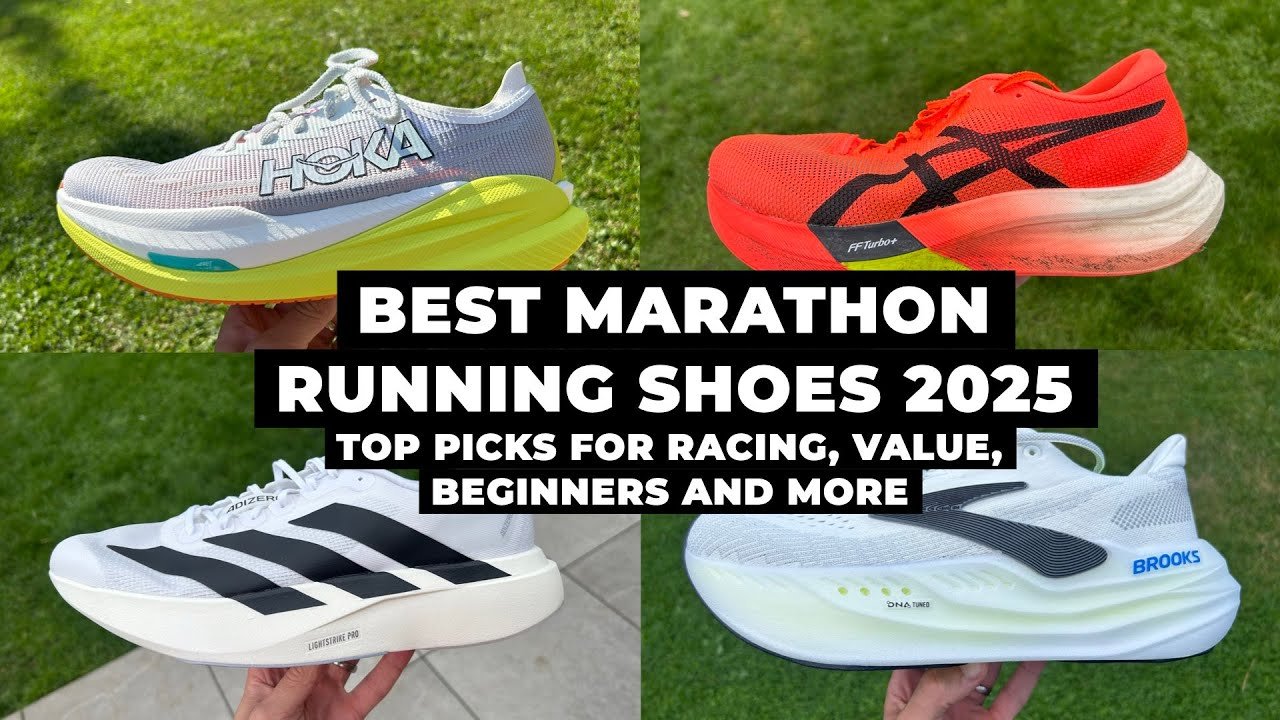

Embarking on long-distance runs challenges not just your endurance but also your equipment, especially your footwear. The right pair of running shoes can make the difference between a triumphant finish and persistent discomfort or even injury. When you’re logging serious mileage, your shoes need to offer a superior blend of cushioning, support, durability, and a comfortable fit.
Choosing the ideal footwear for prolonged efforts requires careful consideration of various factors, from your foot type to running gait. This comprehensive guide cuts through the noise, detailing the essential elements of long-distance running shoes and spotlighting the top models engineered to keep you comfortable and performing mile after mile. We’ll explore the features that truly matter and recommend specific shoes that excel in the demanding world of endurance running.
Understanding Long-Distance Running Shoe Essentials
Successfully navigating long-distance runs hinges significantly on what’s on your feet. Unlike sprint shoes or minimalist trainers, footwear designed for extended mileage prioritizes specific attributes to protect your body and enhance your performance over time.

The Crucial Role of Cushioning and Support
For long runs, cushioning is paramount. It absorbs impact, reducing stress on your joints, muscles, and bones with every stride. High-quality cushioning materials, often engineered foams like EVA, TPU, or advanced proprietary blends, provide a plush feel without sacrificing responsiveness. Sufficient cushioning helps prevent fatigue and offers a more comfortable ride as the miles accumulate.
Support, on the other hand, refers to how well the shoe guides your foot’s motion. While cushioning protects from impact, support helps maintain proper alignment, reducing the risk of overuse injuries. The level and type of support needed vary greatly among runners.
Stability vs. Neutral: What’s Your Foot Type?
Understanding your pronation type is key to selecting appropriate support. Pronation is the natural inward rolling motion of your foot during impact. Runners typically fall into three categories:
- Neutral Pronation: Your foot rolls inward adequately, distributing impact evenly. Neutral shoes offer cushioning without specific motion control features.
- Overpronation: Your foot rolls inward excessively, often leading to issues like shin splints or knee pain. Stability shoes incorporate features like medial posts or guide rails to reduce this over-rotation.
- Supination (Underpronation): Your foot rolls outward, absorbing insufficient shock. Supinators generally benefit from neutral shoes with ample cushioning.
Many specialty running stores offer gait analysis to help determine your pronation type accurately. This simple assessment can guide you toward the correct shoe category.
Heel-to-Toe Drop and Fit Considerations
The heel-to-toe drop (or offset) is the difference in height between the heel and the forefoot of the shoe, measured in millimeters. A higher drop (10-12mm) can reduce stress on the Achilles tendon and calves, while a lower drop (0-6mm) encourages a more natural midfoot or forefoot strike. The ideal drop often depends on your running style and personal preference.
Fit is equally critical. A long-distance running shoe should feel snug in the heel, secure through the midfoot, and have ample room in the toe box. Your toes should be able to wiggle freely, with about a thumb’s width of space between your longest toe and the end of the shoe. An ill-fitting shoe can lead to blisters, black toenails, and general discomfort, severely impacting your long runs.
Top Contenders: Best Running Shoes for Long Distance Runs
When it comes to logging serious mileage, certain models consistently rise to the top. These shoes combine innovative technology with runner-approved designs to deliver the comfort, support, and durability essential for enduring long distances.
Hoka Clifton 9: Max Cushion, Smooth Ride
The Hoka Clifton series has become synonymous with plush cushioning and a smooth, effortless ride, making it a favorite for long-distance runners. The Clifton 9 continues this legacy, offering a balanced combination of softness and responsiveness.
- Features: Lighter, more responsive CMEVA foam, an early-stage Meta-Rocker for smooth transitions, and a breathable knit upper.
- Pros: Exceptional cushioning for high-mileage comfort, relatively lightweight for its stack height, versatile enough for daily training and long runs.
- Cons: Some runners might find the cushioning too soft; not ideal for speed work.
- Pricing: Typically in the $145 – $150 range.
Brooks Glycerin 20/21: Supreme Softness and Comfort
The Brooks Glycerin is renowned for its supreme softness, making it an excellent choice for runners prioritizing comfort on their longest efforts. It delivers a luxurious feel without feeling overly mushy.
- Features: DNA LOFT v3 cushioning, a nitrogen-infused foam that is lighter, softer, and more responsive. It also features a plush, accommodating upper.
- Pros: Unrivaled comfort and cushioning, durable outsole, smooth transitions, available in neutral and GTS (stability) versions.
- Cons: Can feel a bit bulky for some; not the most responsive shoe for faster paces.
- Pricing: Generally $160 – $170.
Saucony Triumph 21: Balanced Cushioning and Responsiveness
The Saucony Triumph 21 strikes a fantastic balance between ample cushioning and energetic responsiveness. It’s a workhorse shoe that can handle daily training and long runs with equal aplomb, providing a lively feel underfoot.
- Features: PWRRUN+ cushioning for a soft yet springy ride, a comfortable and adaptive upper, and a durable outsole.
- Pros: Excellent energy return, superb cushioning for long distances, comfortable and secure fit, highly durable.
- Cons: Might be too firm for those seeking maximum plushness; heavier than some competitors.
- Pricing: Around $160.
New Balance Fresh Foam X 1080v13: Versatile Plushness
The New Balance Fresh Foam X 1080v13 is a highly versatile shoe, beloved by many for its balanced cushioning and smooth ride. It’s designed to be a go-to option for a wide range of runs, especially excelling in long-distance comfort.
- Features: Enhanced Fresh Foam X midsole for even softer cushioning and a more responsive feel, a refined Hypoknit upper for adaptive support, and a rocker-like profile.
- Pros: Great blend of softness and responsiveness, accommodating fit, suitable for various foot types, excellent for daily training and long runs.
- Cons: Can feel a bit wide for narrow feet; not the lightest option.
- Pricing: Typically $160.
ASICS GEL-Nimbus 25: Cloud-Like Comfort for Endless Miles
The ASICS GEL-Nimbus 25 represents a significant redesign, pushing the boundaries of maximum cushioning. It’s engineered to provide an incredibly soft and protective experience, perfect for those ultra-long efforts.
- Features: PureGEL technology for softer landings, FF BLAST PLUS ECO cushioning for lightweight impact absorption, and an updated knit upper for a plush, adaptive fit.
- Pros: Unparalleled cushioning and comfort, extremely smooth ride, excellent for recovery runs and long distances.
- Cons: Heavier and bulkier than many competitors; less responsive for faster paces.
- Pricing: Around $160.
Nike ZoomX Invincible Run Flyknit 3: Dynamic Energy Return
The Nike ZoomX Invincible Run Flyknit 3 is built for maximum cushioning and exceptional energy return, aimed at keeping runners fresh and preventing fatigue over long distances. It’s a lively, bouncy shoe that makes long runs feel a little easier.
- Features: Full-length ZoomX foam for Nike’s highest energy return, a wider midsole for increased stability, and an updated Flyknit upper for breathability and support.
- Pros: Incredible bounce and energy return, superb cushioning, excellent for recovery and long-distance training.
- Cons: Can feel unstable due to the high stack height; premium price point.
- Pricing: Generally $180 – $190.
Extending the Life of Your Running Shoes
Investing in high-quality long-distance running shoes is significant, so proper care and timely replacement are essential. Maximizing the lifespan of your footwear not only saves money but also ensures you continue to receive the necessary protection and support.
Care and Maintenance Tips
Keeping your running shoes in good condition can prolong their effectiveness. After each run, remove insoles to allow them to air out and dry completely. This prevents odor-causing bacteria and keeps the interior fresh. Avoid machine washing or using harsh detergents, as this can damage the shoe’s materials and glues. Instead, gently wipe off dirt with a damp cloth and mild soap.
Store your shoes in a cool, dry place away from direct sunlight or extreme heat, which can degrade the midsole foam. Furthermore, avoid wearing your running shoes for casual activities, as this adds unnecessary wear and tear to the specialized cushioning and outsole.
Knowing When to Replace Your Pair
Even with the best care, running shoes have a finite lifespan. Most experts recommend replacing running shoes every 300 to 500 miles, or roughly every 4 to 6 months for regular runners. However, this is a general guideline, and the actual timing can vary based on your weight, running style, and the terrain you frequently cover. Research suggests that shoe cushioning degrades over time, regardless of visible wear.
Look for signs of wear such as flattened midsole foam, especially under the forefoot or heel. The outsole tread may also be significantly worn down, particularly in high-impact areas. If you start experiencing new aches or pains in your feet, knees, or hips that you haven’t felt before, it’s a strong indicator that your shoes may no longer be providing adequate support and cushioning.
Frequently Asked Questions (FAQs)
How often should I replace my long-distance running shoes?
Generally, long-distance running shoes should be replaced every 300 to 500 miles. For someone running 20-30 miles a week, this translates to roughly 4-6 months. However, heavier runners or those running on harsher surfaces might need to replace them sooner. Pay attention to how the shoes feel; a noticeable decrease in cushioning or support is a clear sign.
What’s the main difference between neutral and stability running shoes?
Neutral shoes are designed for runners whose feet don’t excessively roll inward (overpronate) or outward (supinate). They focus on cushioning and flexibility. Stability shoes, conversely, incorporate features like medial posts or guide rails to prevent excessive inward rolling of the foot (overpronation), offering additional support to help maintain proper alignment during your stride. Understanding your pronation type is vital for choosing the correct shoe.
Is shoe weight important for long runs?
While lighter shoes generally feel faster, for long-distance runs, a slightly heavier shoe with more cushioning and support is often preferred. The added weight typically comes from more protective materials that reduce fatigue and absorb impact over many miles. For marathon distances, comfort and injury prevention usually outweigh the minor speed advantage of a very lightweight shoe.
Can I use the same shoes for both short and long runs?
Yes, many long-distance running shoes are versatile enough for both short and long runs. However, some runners prefer to have a dedicated pair of lighter, more responsive shoes for speed work or shorter, faster efforts, and a separate, more cushioned pair for their longer, slower mileage. Using different shoes can also extend the lifespan of each pair. Regular physical activity, including running, offers numerous health benefits, and proper footwear supports this.
How do I determine my pronation type without a professional gait analysis?
While professional gait analysis at a specialty running store is best, you can get a good idea by examining the wear pattern on the outsole of your old running shoes. If the wear is mostly on the outer edge, you might be a supinator. If it’s concentrated on the inner edge, you likely overpronate. Even wear across the forefoot and heel suggests neutral pronation. The “wet test” (stepping on paper after wetting your foot) can also reveal your arch type, which often correlates with pronation. Understanding your foot mechanics is crucial for injury prevention.
Conclusion
Selecting the best running shoes for long distance runs is a pivotal decision for any endurance athlete. It’s not merely about cushioning; it’s about finding the perfect balance of support, durability, and fit that complements your unique biomechanics. The shoes highlighted in this guide – from the plush comfort of the Hoka Clifton and Brooks Glycerin to the balanced responsiveness of the Saucony Triumph and New Balance 1080, and the maximum cushioning of the ASICS GEL-Nimbus and Nike Invincible Run – represent the pinnacle of long-distance footwear technology.
Remember to consider your individual needs, including pronation type, preferred heel-to-toe drop, and desired feel. Visiting a specialty running store for a professional gait analysis remains the most reliable way to ensure you choose the ideal pair. With the right shoes on your feet, you’ll not only enhance your performance but also safeguard your body, allowing you to conquer those challenging long miles with greater comfort and confidence.