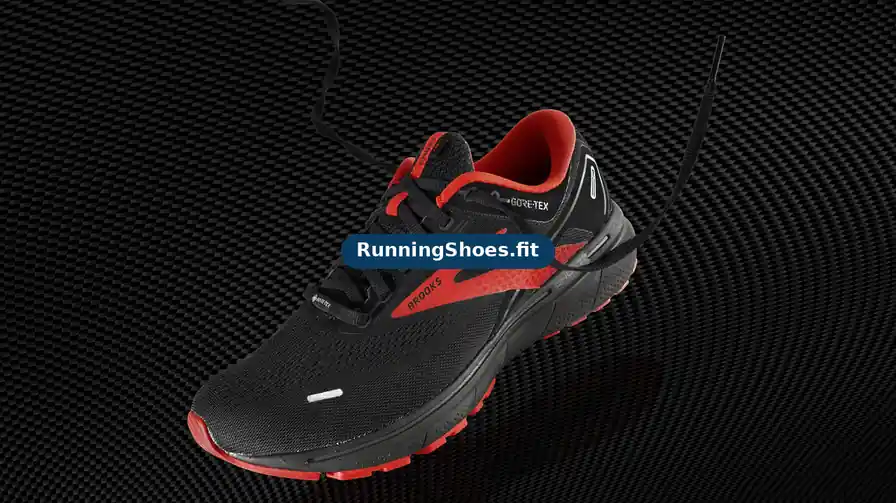

Stand in any running store and watch the confusion happen in real time. A runner picks up the Brooks Ghost, then the Brooks Glycerin, reads two boxes that both promise soft, smooth daily miles, and has no idea which one is actually for them.
I am Muhammad, editor of RunningShoes.fit, and this Ghost vs Glycerin comparison settles the question properly. The current pair is the Ghost 18 and the Glycerin 23, both neutral Brooks daily trainers, but they no longer share the same foam. The Ghost 18 runs on nitrogen infused DNA LOFT v3, while the Glycerin 23 runs on DNA TUNED, a dual cell foam that is softer at the heel and firmer at the forefoot. The decision is not about good versus bad: it is about cushioning preference, ride feel, and price, and by the end you will know your answer.
The quick difference
The Ghost is Brooks’s balanced workhorse: a moderate stack, a firmer and more responsive ride, and a price around $150. The Glycerin is the premium comfort model: more cushioning, a plusher upper, a softer landing, and a price around $165 for the extra indulgence.
Ghost 18 vs Glycerin 23: the current specs
The Ghost 18 costs $150, with DNA LOFT v3 foam, a 10mm drop, and a 36mm heel and 26mm forefoot stack. Brooks kept the foam and drop from the Ghost 17 and updated the upper, with a flat knit tongue and an Ortholite X-60 sockliner for a softer step in feel. The Glycerin 23 costs $175, with DNA TUNED foam, an 8mm drop, 2mm more foam in the forefoot than the 22, and a triple jacquard knit upper. The price gap is now $25, not $15, and the Glycerin 22 sat at 10mm while the 23 drops to 8mm.
Both older models are now value buys: the Ghost 17 at a lower price on sale, and the Glycerin 22 with a higher drop. If you liked the 22 partly for its 10mm drop, try the 23 on first.
Brooks itself frames the split the same way in its official Ghost vs Glycerin comparison: the Glycerin takes the edge on cushioning, the Ghost on versatility and breathability. Everything below is that summary in running shoes detail.
The confusion is understandable, because the shared ingredients are real. Both shoes are neutral, both run on DNA Loft v3 foam, both come in men’s and women’s versions with wide options, and both are sold as daily trainers for road miles. The differences live in the tuning, the stack, the drop, and the details, which is exactly where this comparison spends its time.
Cushioning and ride
Ghost 18: balanced and a little firmer
The Ghost 17 runs on nitrogen infused DNA Loft v3 with a 10mm drop and roughly 37mm of stack under the heel. The ride is smooth and predictable, soft enough to protect, firm enough to answer when you pick the pace up, and it never feels like it is making decisions for you.
The Ghost 18 keeps that same balanced ride, because the foam, drop, and stack are unchanged from the 17. What changed is the fit around the foot: the new upper breathes well and the sockliner feels softer on step in. That suits runners who want one shoe for the whole week, beginners buying their first serious trainer, and anyone who runs in warm weather and values a breezy upper. It does not suit runners who want maximum softness or need guidance, who should look at the Glycerin or the Adrenaline GTS instead. See our heel drop explained guide for the drop behind the choice.
That balance is why the Ghost is the default recommendation for runners who own one pair of shoes. It handles easy runs, long runs, and steady workouts without complaint, and the Segmented Crash Pad keeps heel to toe transitions boring in the best possible way.
Glycerin 23: softer and plusher
The Glycerin 23 uses DNA TUNED foam, tuned softer, on an 8mm drop with a touch more foam underfoot. The landing is plusher, especially at the heel, and the whole shoe feels like it was designed for the days when comfort outranks everything else.
The Glycerin 23 keeps the plush character but changes the foam underneath it. DNA TUNED uses larger cells in the heel for soft landings and smaller cells in the forefoot for a more responsive push off, so it feels softer at impact and less vague at toe off. That suits heel strikers, long run specialists, and heavier runners whose joints appreciate extra protection late in a run. Heavier runners can compare cushioned options in our best running shoes for heavy runners guide.
It does not suit tempo work, where the softness turns vague when the pace rises, or tight budgets, where the Ghost gives most of the comfort for less. The Glycerin 22 is now the value buy for runners who want the same plush idea with a 10mm drop.
Heel strikers and long run specialists feel the difference most. The Glycerin absorbs the first impact more completely and keeps absorbing it at mile fifteen, while the Ghost starts to feel like the firmer shoe it is when the legs are tired.
Fit and upper
The Ghost 17 wears a breathable engineered air mesh upper that disappears in warm weather, and it comes in an unusually complete range of widths, from narrow to extra wide. It is the easier shoe to fit, and the safer order online.
The Glycerin 22 counters with a plusher, more padded upper that feels premium the moment you step in, with a slightly roomier toe box than the Ghost. The padding costs a little breathability on hot days, a trade most Glycerin buyers happily accept, and the head to head testing at Alastair Running’s Ghost 17 vs Glycerin 22 comparison scores the Glycerin ahead for step in comfort and the Ghost ahead for versatility.
Weight is close enough to ignore in this decision. Both shoes sit in the same daily trainer bracket, the Glycerin a touch heavier on paper thanks to its extra foam and padding, and neither feels like a burden at easy paces. If a few grams decide a daily trainer for you, the real answer is that either shoe will do.
| Brooks Ghost 18 | Brooks Glycerin 23 | |
|---|---|---|
| Drop | 10mm | 8mm |
| Ride feel | Balanced, slightly firm | Soft, plush |
| Price | About $150 | About $175 |
| Best for | One shoe for everything | Comfort first long miles |
| Guidance version | None, see Adrenaline GTS | Glycerin GTS 23 |
Durability and value
Both shoes are built to daily trainer standards, and 400 to 500 miles is a fair expectation from either pair with normal road use. The Ghost’s firmer ride tends to feel consistent for longer, because there is less softness to lose, while the Glycerin’s plushness fades more noticeably as the foam packs down, even though the shoe remains comfortable.
Value splits by how you run. The Ghost’s lower price and versatility make it the cheaper shoe per mile for most runners, while the Glycerin earns its premium only if you actually use what you paid for, which means long runs, recovery days, and plenty of time on your feet. Buy the Glycerin for occasional short jogs and you have paid comfort money for a job the Ghost does just as well.
What about the GTS versions
If you need guidance, the two lines are not equal. The Glycerin comes in a GTS 22 version with GuideRails support, giving overpronators the same plush ride with guardrails added, while the Ghost has no GTS version at all.
The guided versions have moved on too. The Glycerin GTS 23 is the current plush stability shoe, at $180, with the same DNA TUNED foam and 8mm drop as the Glycerin 23 plus GuideRails support. The Ghost still has no GTS version, so Ghost fans who need guidance should look at the Adrenaline GTS 26, released on November 1, 2026 at $155 with DNA LOFT v3, while the GTS 25 is now the value buy at about $125.
Runners who want even more cushioning have two more current options, the Ghost Max 4 and the Glycerin Max 2. Our best stability running shoes for overpronation guide explains how GuideRails work and who they suit.
Ghost shoppers who need support should look at the Adrenaline GTS instead, which is the guided sibling at a similar price. Our guide to the best stability running shoes for overpronation explains how GuideRails work and where the Glycerin GTS sits among the support shoes.
Which one should you buy
Buy the Ghost 18 if you want one shoe for the whole week, prefer a balanced ride that can handle a workout, or run in a warm climate. It is also the better value, and it anchors our roundup of the best Brooks running shoes as the line’s default recommendation.
Buy the Glycerin 23 if your priority is comfort over long miles, you land heavily on your heels, or you simply enjoy a plush shoe. It belongs in the top tier of our guide to the best cushioned running shoes for a reason, and the $25 premium is honestly priced for what it buys.
And if you rotate two pairs, the honest answer is both. They pair beautifully as a workhorse and a comfort shoe, which is exactly how they sit together in our guide to the best neutral running shoes.
Workouts, walking, and everything else
For faster sessions the Ghost is the clear pick. Its firmer ride and lighter, breezier upper make tempo efforts feel natural, while the Glycerin’s softness turns vague when the pace rises, and both shoes would rather you owned a dedicated tempo shoe for serious workouts anyway.
For walking and long days on your feet, the verdict flips. The Glycerin’s plush heel and padded upper are exactly what nurses, teachers, and dog walkers ask for, and the Ghost, while perfectly comfortable, feels like the running shoe it is by the end of a long shift. Many buyers cross shop this pair for daily life rather than training, and for that job the Glycerin usually wins the fitting room test within ten steps.
Watch: Ghost 17 vs Glycerin 22 compared
This video compares the Ghost 17 and Glycerin 22 directly on comfort, cushioning, and performance. Watch it if you want to see the ride difference before you decide which side of the line you are on.
Frequently asked questions
Is the Glycerin better than the Ghost?
It is softer and more cushioned, not simply better. The Ghost is the more versatile daily trainer and the better value, while the Glycerin wins on plush comfort for long, easy miles. Your pick depends on which of those you value more.
Which is better for long runs, Ghost or Glycerin?
For most runners, the Glycerin 22. Its softer heel cushioning and plush ride protect tired legs deeper into long runs, although plenty of marathoners train happily in the Ghost if they prefer a firmer, more responsive feel.
Do the Ghost and Glycerin fit the same?
Close, but not identical. Both run true to size, the Ghost offers more width options and a breezier upper, and the Glycerin has a plusher, slightly roomier toe box. Order your normal Brooks size in either.
Which Brooks should overpronators choose?
The Glycerin GTS 22, which adds GuideRails support to the plush Glycerin ride. The Ghost has no guided version, so Ghost fans who need support should look at the Adrenaline GTS line instead.
Is the Glycerin worth $15 more than the Ghost?
If comfort on long miles is your priority, yes. The extra money buys softer cushioning and a more premium upper. If you want one versatile shoe and value versatility over plushness, the Ghost is the smarter spend.
The bottom line
There is no loser in this comparison, only a preference. Decide by the miles you actually run, because the rule is simple: daily miles point to the Ghost, plush easy miles point to the Glycerin.
Pick the one that matches your week, and you will understand why these two shoes sit at the top of the Brooks range year after year. The confusion in the store is real, but it ends the first time you run in the right one.