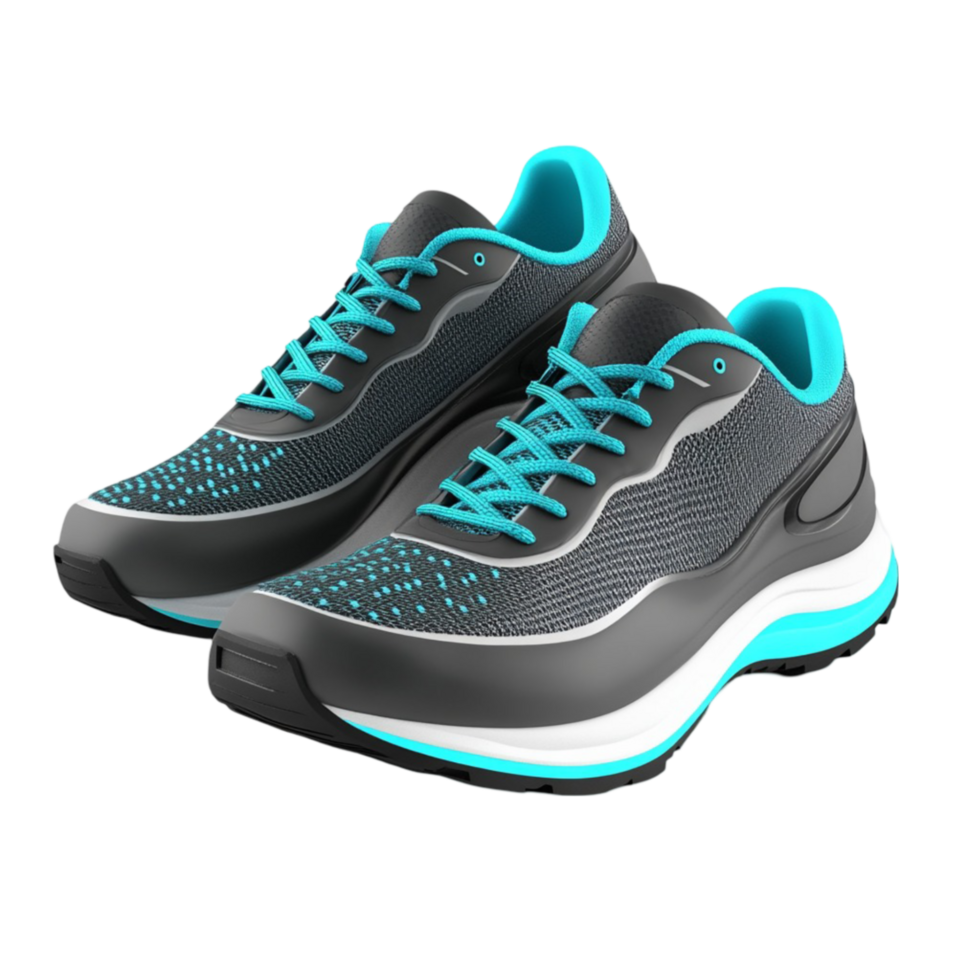


Too many women buy running shoes by shrinking a men’s model and hoping for the best. Then the heel slips, the forefoot feels sloppy, and the shoe gets blamed for blisters that were really caused by a last that was never shaped like their foot in the first place.
I am Muhammad, editor of RunningShoes.fit, and this guide to the best women’s running shoes for real miles in 2026 starts from fit, not marketing. Every pick here is built on a women’s specific last, and the advice below explains the fit details that decide whether a shoe works for you long after the new shoe smell fades.
Why women’s shoes are not smaller men’s shoes
A proper women’s running shoe is built on a different mould, called a last. Compared with the average man’s foot, the average woman’s foot has a narrower heel, a different forefoot shape, and lower volume overall, and a women’s last is shaped to match that pattern rather than simply scaled down.
Biomechanics play a part too. Women typically have a wider pelvis, which creates a larger Q angle at the knee, the angle between the hip, knee, and ankle, and that subtly changes how forces travel through the leg at landing. Good women’s models account for it in how the midsole and heel are shaped, instead of pretending the difference does not exist.
None of this means every woman needs a women’s shoe, because feet vary more than averages do. It means the starting point matters: try the women’s last first, and only cross over to a men’s model if the fit genuinely works better, as our guide on how running shoes should fit explains in detail.
What to look for
A heel that actually holds
Heel slip is the number one complaint in women’s shoes, and it usually traces back to a heel counter built for a wider male heel. Look for a women’s specific model with a snug, padded collar, and test it on a slope or stairs in the shop, because a heel that lifts on the flat will lift twice as much on a downhill.
Real width options
Women’s standard width is a B, with narrow and wide options labelled AA and D in many ranges. Brands that offer the same shoe in three or four widths take women’s fit seriously, and if your forefoot regularly feels squeezed, our guide to the best running shoes for wide feet is the next stop.
Cushioning matched to your miles
Match the foam to the week.
Matching the shoe to the week, not just the foot
A balanced daily trainer covers most of the week, a max cushion shoe earns its keep on long runs and high mileage, and a light, firm shoe suits short, easy jogging and faster days. That is why the three picks below are not ranked best to worst. They are three different jobs. A runner doing three short runs a week gains little from the softest, tallest shoe, while a runner building toward a half marathon will feel the difference on every long run.
A balanced daily trainer covers most runners, a max cushion shoe earns its keep on long runs and high mileage, and very soft shoes are wasted on short, easy jogging where a lighter shoe feels better.The best women’s running shoes
Best all rounder: Brooks Ghost 17
The Ghost 17 is the shoe we would hand to most women without hesitation.
The Ghost 18 is the current model at $150, with DNA LOFT v3 foam, a 10mm drop, and an engineered air mesh upper, and it keeps the balanced ride that made the Ghost the best selling road shoe in the United States. It suits first time runners, steady daily trainers, and anyone who wants one shoe for most of the week, and the women version comes in narrow, medium, wide, and extra wide in select colourways. The Ghost 17 is now the value buy, offering a very similar ride at a lower price when it goes on sale.
Its women’s last delivers the secure heel hold this category lives or dies by, the nitrogen infused DNA Loft v3 midsole gives balanced cushioning at a 10mm drop, and the whole package feels calm and predictable at any pace.It is also one of the most size inclusive picks here, with women’s versions in narrow, medium, wide, and extra wide in select colourways, at about $150. Brooks charts the model’s history in its guide to the Ghost line, and the 17 is the most comfortable version yet for everyday miles.
Best cushioned daily trainer: Hoka Clifton 10
The Clifton 10 brings Hoka’s tall, rockered ride to a women’s specific fit, with a 42mm heel stack, an 8mm drop, and a light 249 gram build in the women’s version. The jacquard knit upper and double lace lock keep the midfoot secure, which matters when the heel is naturally narrower.
Choose it for daily miles with extra joint protection, long easy runs, and run walk training.
The Clifton 11 is the current model, launched July 1, 2026, at $155, with the same compression molded EVA midsole as the Clifton 10, a new engineered mesh upper, and a softer sockliner, on an 8mm drop with a 42mm heel and 34mm forefoot stack. The Clifton 10 is now the value buy, and the Clifton Pro, also launched in July 2026, uses ProGlide+ supercritical EVA foam at about $165 for runners who want a livelier Clifton. Choose the Clifton for cushioned daily miles, long easy runs, and run walk training, and skip it if you want a firm, fast feel or a low stack shoe with more ground feel. The women version keeps the narrower heel and lower volume last, with a wide version available.
It costs about $155 and comes in a wide version as well, and it sits alongside the other Hoka picks in our roundup of the best Hoka running shoes.Best max cushion: Asics Gel-Nimbus 27
The Gel-Nimbus 27 is the plush flagship of the Asics range, with a towering 43.5mm heel stack, an 8mm drop, and a midsole pairing FF Blast Plus Eco foam with PureGEL cushioning in the heel.
The Gel-Nimbus 28 is the current model, released in January 2026 at about $165, with FF Blast Plus foam and PureGEL under the heel, and it is over 20g lighter than the Nimbus 27, so the softness feels less heavy on the run. The Nimbus 27 is now the value buy. Choose the Nimbus for long runs, recovery days, and high mileage weeks, and for long shifts on your feet when protection matters more than speed. It does not suit tempo runs or racing, where the tall, soft stack feels vague, or runners who need stability guidance, because the soft platform can feel unstable when the pace rises. Women with arch pain alongside a need for cushioning can compare options in our best women running shoes with arch support guide.
The result is the softest landing of the three picks here, built for long runs and high mileage weeks.Women who spend long shifts on their feet often end up loving it for the same reason marathoners do: the protection simply does not fade as the hours stack up. Coach led roundups such as the RunToTheFinish guide to women’s running shoes consistently rank the Nimbus line among the top max cushion choices for women.
| Shoe | Drop | Best for |
|---|---|---|
| Brooks Ghost 17 | 10mm | Everyday miles, the safest all round pick |
| Hoka Clifton 10 | 8mm | Cushioned daily training and run walk plans |
| Asics Gel-Nimbus 27 | 8mm | Maximum cushion for long runs |
How women’s sizing and widths work
Women’s running shoes are sized on their own scale, and most runners go half a size to a full size up from their everyday shoes to leave room for foot swelling. Width letters matter as much as length: B is standard for women, AA is narrow, and D is wide, and a shoe that feels almost right in standard width is often perfect one width over.
Shop late in the day when your feet are at their largest, wear your running socks, and leave roughly a thumbnail of space in front of your longest toe. If you are between the women’s and men’s ranges because of size, compare both lasts in the shop rather than guessing from the size chart.
Expect your size to shift over a running life, too. Feet lengthen and spread gradually with age, training volume, and pregnancy, so the size that fitted perfectly three years ago is a starting guess, not a promise, and getting measured again costs nothing at a good running shop.
Fit checks before you buy
Three quick checks catch most problems.
Run the three checks in order, and treat a fail as a reason to try another size or another last, not a reason to hope the shoe will break in. Heel slip on a fast walk in the shop will only get worse on a downhill, forefoot squeeze will turn into numbness by mile eight, and laces pulled to their last holes mean the shoe has too much volume for your foot. Wide feet are common, and a D width version of the right shoe beats a standard shoe bought a size too long, as our best running shoes for wide feet guide explains. Runners prone to blisters at the bunion joint can also check our best running shoes for bunions guide.
First, the heel test: walk fast and jog on the spot, and your heel should stay planted rather than piston up and down inside the shoe.Second, the forefoot test: your toes should spread and wiggle freely, with no pressure across the bunion joint, because forefoot squeeze is the fast route to numbness on long runs. Third, the volume test: if you have to yank the laces to their last holes to feel secure, the shoe has too much volume for your foot, no matter what the length says.
New runners in particular should keep it simple, and any of the three picks above qualifies as a sensible first shoe, as our guide to the best running shoes for beginners explains when it walks through first purchases.
Watch: Hoka vs Brooks for women
This Forbes Vetted comparison puts Hoka and Brooks head to head for women runners. It is a helpful watch if you are torn between the Clifton and the Ghost above.
Frequently asked questions
Are women’s running shoes really different from men’s?
Yes. Proper women’s models are built on a different last, typically with a narrower heel, a different forefoot shape, and less overall volume. It is not just a smaller size, and the difference shows up most in heel hold and blister prevention.
Can women wear men’s running shoes?
Yes, if the fit works. Some women with wider feet or higher volume prefer a men’s last, and the shoes themselves are not gender locked. Judge by heel hold, forefoot room, and comfort on a test jog rather than by the label.
What is the best women’s running shoe for beginners?
The Brooks Ghost 17 is the safest starting point. It is cushioned without being unstable, fits a wide range of feet thanks to its width options, and handles everything from first jogs to half marathon training.
How much room should women leave in running shoes?
About a thumbnail of space, roughly a centimetre, between your longest toe and the end of the shoe. Feet swell during runs, and too little room is the main cause of black toenails and forefoot numbness.
Which women’s running shoes are best for wide feet?
Look for models sold in a D width, such as the Ghost 17 and Clifton 10 wide versions. A wide version of the right shoe beats a standard shoe bought a size too long, because the proportions stay correct.
The bottom line
The best women’s running shoe is the one built for a woman’s foot and matched to her miles: the Ghost 17 for everyday running, the Clifton 10 for cushioned daily training, and the Gel-Nimbus 27 when maximum protection is the priority. Get the last right first, because the right last matters more than the label on the box, and it becomes obvious on your very first run.
Try at least two of the three if you can. Ten minutes of jogging in the shop tells you more than any chart, including ours.