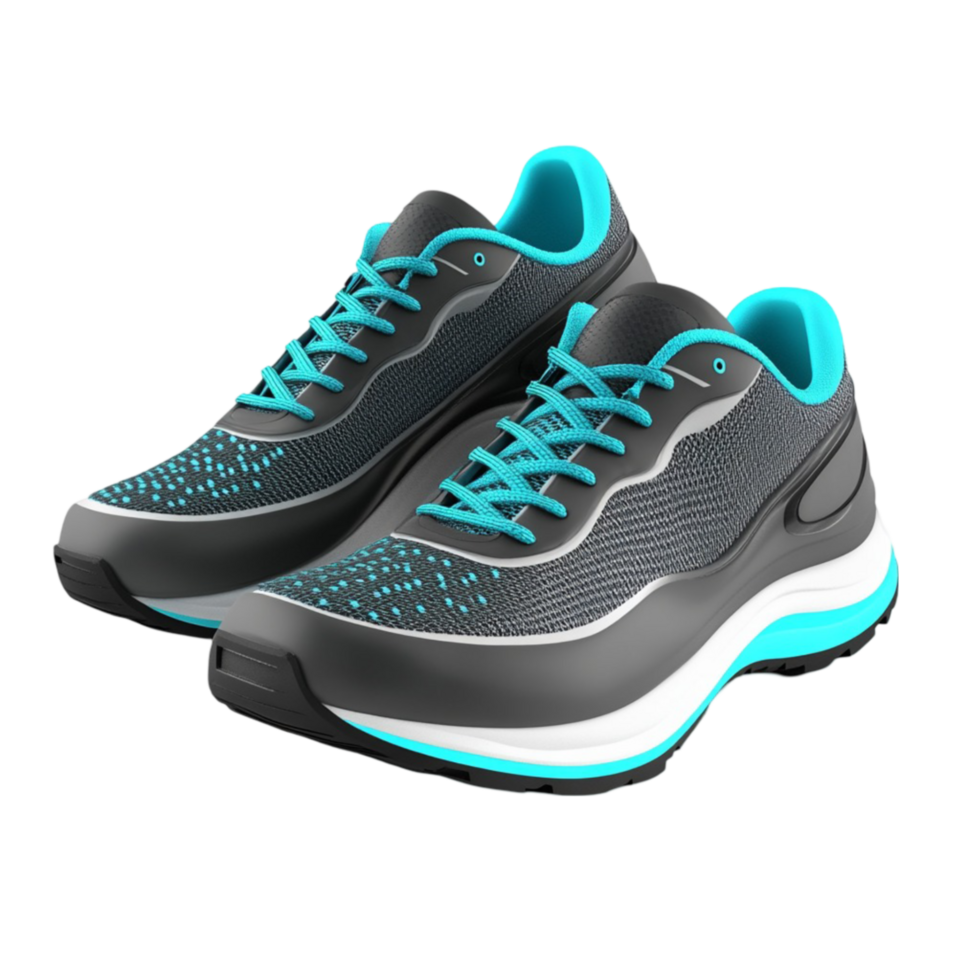


Heel drop is one of those specs that sounds technical but affects every step you take. Listed in millimetres on every running shoe, it describes the height difference between the heel and the forefoot. Yet many runners buy shoes without knowing their drop, then wonder why a new pair feels so different from the old one. This guide explains what heel drop means, how different drops feel, and how to choose the right one for your stride.
Whether you are a beginner buying your first pair or an experienced runner curious about trying something new, understanding drop will help you make better choices and avoid unnecessary soreness. Let us break it down in plain English, with real examples from popular shoes.
What Is Heel Drop?
Heel drop, also called heel-to-toe drop or offset, is the difference in stack height between the heel and the forefoot, measured in millimetres. A shoe with 30mm of foam under the heel and 20mm under the forefoot has a 10mm drop. This measurement tells you how much your heel is elevated relative to your toes when you stand in the shoe.
Drop is not the same as cushioning.
Drop and stack height answer different questions. Stack height is the total foam under your foot, while drop is the slope of that foam from heel to forefoot. A tall stack can still sit nearly level, and a thin shoe can still have a high drop. To read a spec sheet, subtract the forefoot stack from the heel stack. The Brooks Ghost 18, for example, lists a 36mm heel stack and a 26mm forefoot stack, which works out to its 10mm drop.
A shoe can be highly cushioned with a low drop, or thin with a high drop. The two specs are independent. Drop affects the geometry of your foot position, while cushioning affects how much impact protection you feel. Both matter, but they do different things, and confusing them leads to poor shoe choices.Most running shoes fall between 0mm and 12mm.
A practical way to choose is to work through three questions in order. First, how do you land: heel strikers usually settle into 8 to 12mm, midfoot strikers into 4 to 8mm, and forefoot strikers into 0 to 4mm. Second, what has hurt before: a history of Achilles or calf trouble points toward the higher end, while forefoot pain points toward the lower end. Third, what are you already used to: staying within 2 to 4mm of your current shoe avoids a needless adaptation period. One update: the current Brooks Ghost 18 sits at a 10mm drop, not 12mm. If knee discomfort is part of your history, read our guide to the best running shoes for knee pain before you change drop.
Zero-drop shoes keep the heel and forefoot level, while 12mm is the traditional standard found in many classic trainers. The right drop for you depends on your running form, injury history, and personal comfort. There is no universally best drop, only the best drop for your body and your running.It is worth noting that drop is measured by the brand and can vary slightly between sizes. The listed figure is a useful guide rather than a laboratory-precise measurement. What matters is the general range and how the shoe feels on your foot, not whether it is exactly 8mm or 8.5mm.
How Different Drops Feel
Each drop range creates a distinct sensation underfoot and encourages slightly different biomechanics. Here is what to expect from each category, with real shoe examples you can try on.
Zero Drop (0mm): The Natural Option
Zero-drop shoes, pioneered by brands like Altra, keep your foot level, mimicking a barefoot stance. This encourages a midfoot or forefoot strike and engages the calves and Achilles more than elevated heels do. Runner’s World explains that zero-drop designs suit runners seeking a more natural gait, but they require a careful adaptation period.
If you are coming from traditional shoes, transition slowly. Start with short, easy runs in zero-drop shoes and build up over several weeks.
Altra built its name on zero-drop shoes with wide FootShape toe boxes: our best Altra running shoes guide covers the Torin, Paradigm and Experience Flow.
Jumping straight into high mileage can overload the calves and Achilles, leading to soreness or injury. Many runners alternate between zero-drop and traditional shoes during the transition to let their bodies adjust gradually.Low Drop (1-4mm): A Middle Ground
Low-drop shoes offer a nearly level platform with just a hint of heel elevation. They appeal to runners who want a natural feel without going fully zero-drop. This range works well for midfoot strikers and those who find zero-drop too abrupt but traditional drops too high and disconnected from the ground.
Many lightweight trainers and racing shoes sit in this range, as the lower heel reduces weight and encourages a quicker turnover. If you are curious about a more natural stride but nervous about zero-drop, a 4mm shoe is a sensible stepping stone. You get most of the ground feel with a small safety net for the Achilles tendon.
Medium Drop (5-8mm): The Versatile Range
Medium drops are the sweet spot for many runners. They provide enough heel elevation to ease Achilles strain while keeping the foot relatively level for a natural stride. Hoka’s Clifton, with its 5mm drop, is a popular example that balances plush cushioning and a moderate offset.
This range suits a wide variety of foot strikes and is a safe choice if you are unsure where to start.
The reason this range works as a default is that it asks the least of your body. The calf and Achilles stay in a near neutral position, so neither end of the leg takes on unusual load, and the heel still has enough foam to cushion a heel strike. There are exceptions. If you have a history of Achilles trouble, a 10 to 12mm drop usually feels kinder, and if you are a committed forefoot striker chasing ground feel, a 4mm shoe may suit you better. Our guide to the best running shoes for beginners explains how drop fits into the wider buying decision.
Many daily trainers cluster around 8mm because it works for heel strikers and midfoot strikers alike. If you are replacing an old pair and do not know its drop, there is a good chance it was in this range, as it is the most common in the industry.High Drop (9-12mm): The Traditional Choice
High-drop shoes are the classic running shoe geometry. The Nike Pegasus, with its 10mm drop, and the Brooks Ghost, with 12mm, are iconic examples that have served millions of runners. The elevated heel suits heel strikers by providing cushioning where they land and reducing strain on the calves and Achilles.
If you have tight calves, Achilles issues, or simply prefer the familiar feel of traditional trainers, a high drop is a solid choice. There is nothing outdated about it; the geometry has endured because it works for a huge number of runners. Comfort is what matters, not trends or marketing claims about natural running.
How to Choose the Right Drop for You
Start with what you already wear. If your current shoes feel good, check their drop and stay in a similar range. Changing drop dramatically without a reason is a recipe for soreness and frustration. The golden rule is to match the drop to your stride and comfort, not to chase a number because it is fashionable or because a friend recommended it.
Consider your foot strike. Heel strikers generally do well with 8-12mm, as the elevated heel provides landing cushioning and a smooth transition. Midfoot and forefoot strikers often prefer 0-8mm, which keeps the foot level for a natural push-off. That said, many runners heel strike in low-drop shoes and vice versa; these are guidelines, not rigid rules.
Think about injury history too. If you have Achilles tendinopathy, a higher drop reduces strain on the tendon by shortening it slightly. If you have forefoot issues like metatarsalgia, a lower drop can redistribute pressure more evenly. Always factor in what your body has told you in the past rather than starting from scratch.
Our guide on how running shoes should fit covers the broader fitting principles that work alongside drop selection. Length, width, and heel lock matter just as much as the millimetre offset.
Your running goals matter as well. Neutral runners doing daily miles have the most flexibility, while those needing stability features may find their options cluster in certain drop ranges. Try on several drops in a shop and jog in each; your body will tell you what feels right within a few strides.
Transitioning Between Drops Safely
If you decide to change your drop, do it gradually.
A four week transition plan
In week one, wear the new shoes for one short easy run of 20 to 30 minutes and keep everything else in your old pair. In week two, use them for two easy runs and no more than a third of your weekly mileage. In week three, move up to half your mileage, still keeping long runs in the familiar shoes. By week four, if your calves and Achilles feel normal the morning after, the new pair can take most runs. Some aching in week one is expected, as the calf and Achilles take on more load. Sharp pain, pain that changes your stride, or soreness still there after a rest day means stop: go back to the old shoes and retry with a smaller step, such as 2mm instead of 4mm.
A good rule is to change by no more than 4mm at a time and give your body two to three weeks to adapt. Alternate between your old and new shoes during the transition, using the new pair for shorter runs at first and keeping long runs in the familiar shoes.Pay attention to your calves, Achilles, and arches during the switch. Mild muscle soreness is normal as different tissues take on more load, but sharp or persistent pain is a warning sign. If pain does not ease within a week, the new drop may not suit you, or you may need a slower transition. There is no shame in going back to what works; the goal is healthy running, not proving a point.
Common Myths About Heel Drop
Myth one: lower is always better.
Low drop is a poor choice in a few clear situations. If you are a committed heel striker with tight calves, a zero drop shoe forces your Achilles to stretch further with every step, which is a fast route to soreness. If you have any history of Achilles trouble, the same logic applies: a higher drop shortens the tendon slightly and takes load off it. Heavier runners should also be cautious, since extra weight means extra force through the calf. And never debut a new drop in a race or a long run, no matter how good it felt in the shop. If Achilles discomfort is already part of your running, read our guide to the best running shoes for Achilles tendon pain before experimenting with drop.
Not true. While minimalist running has its advocates, many runners are healthier and happier in traditional drops. The best drop is the one that keeps you injury-free and comfortable, whether that is 0mm or 12mm. Do not let ideology override your body’s feedback or your injury history.Myth two: drop fixes your form. Shoes can nudge your biomechanics, but they do not automatically correct overstriding or other form issues. ASICS notes that understanding your pronation and gait is more important than any single spec. If you want to change your form, work on drills, cadence, and strength alongside any shoe change rather than expecting the shoe to do it alone.
Myth three: you must pick one drop forever. Many runners happily rotate shoes with different drops for different workouts. A low-drop shoe for tempo days and a high-drop shoe for long runs is a perfectly valid strategy. Variety can even be beneficial, as it loads tissues slightly differently and may reduce overuse injuries.
Final Thoughts
Heel drop is a useful spec, but it is just one piece of the puzzle. Fit, comfort, and how the shoe feels on your foot matter more than any number on a spec sheet. Use drop as a guide to narrow your options, then let your body make the final decision in the shop or on a test run.
Whether you choose zero-drop or 12mm, the best shoe is the one that disappears on your foot and lets you focus on the run itself. Now you know what those millimetres mean, you can shop with confidence and explain your preference the next time someone asks.
Frequently Asked Questions
What is heel drop in running shoes?
Heel drop, or heel-to-toe drop, is the height difference between the heel and forefoot in millimetres. A 10mm drop means the heel sits 10mm higher than the toes. Most running shoes range from 0mm to 12mm.
What is the best heel drop for beginners?
Beginners usually do best with 8-12mm, the traditional range found in shoes like the Nike Pegasus and Brooks Ghost. This drop suits heel strikers, eases Achilles strain, and feels familiar. Stick with what is comfortable rather than chasing trends.
Does heel drop affect knee pain?
It can. Higher drops may reduce Achilles and calf strain but can increase knee loading for some runners, while lower drops often do the opposite. If you have knee pain, experiment cautiously and consider a gait analysis rather than changing drop alone.
How do I transition to a lower heel drop safely?
Change by no more than 4mm at a time and allow two to three weeks of adaptation. Alternate old and new shoes, use the new pair for short runs first, and watch for calf or Achilles soreness. Stop and reassess if sharp pain appears.
Can I use different heel drops for different runs?
Yes. Many runners rotate a low-drop shoe for tempo days and a higher-drop shoe for long runs. Variety loads tissues differently and may reduce overuse injuries. Just introduce each pair gradually.


Pingback: Best Running Shoes for Achilles Tendon Pain in 2026
Pingback: Best On Running Shoes in 2026: Cloudsurfer, Cloudmonster, Cloudboom
Pingback: Nike Pegasus 42 vs Adidas Ultraboost: Which Daily Trainer Wins?
Pingback: Best Hoka Running Shoes in 2026 for Cushioned Miles
Pingback: Best Running Shoes for High Arches in 2026: Cushioned Picks
Pingback: How to Break In New Running Shoes the Right Way
Pingback: Best Trail Running Shoes in 2026 for Every Terrain
Pingback: Best Shoes for Walking and Running in 2026: One Pair, Both Jobs
Pingback: How Should Running Shoes Fit? Toe, Midfoot and Heel Guide
Pingback: Brooks Ghost vs Glycerin: Which One Should You Buy?
Pingback: Best Insoles for Running Shoes: Superfeet, Currex, PowerStep Compared