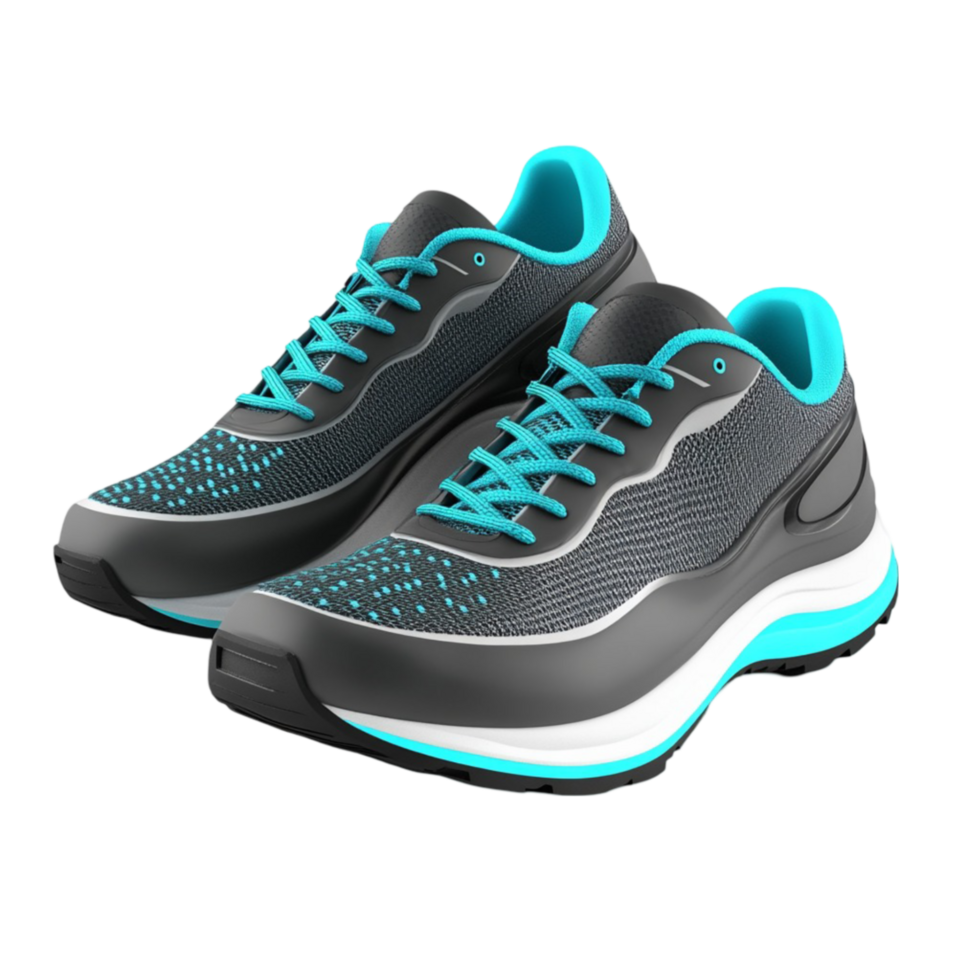


On is the running brand that grew up in public. A decade ago the Swiss shoes with the hollow pods were a curiosity at race expos, and now they sit on the feet of marathon majors winners and half the runners at your local parkrun.
I am Muhammad, editor of RunningShoes.fit, and this is the roundup our readers have asked for most: the best On running shoes worth your money in 2026. Rather than list every model in the catalogue, this guide organises the range by CloudTec feel, because with On, how the pods behave under your foot matters more than the name on the box.
What makes On different
Every On shoe is built around CloudTec, a midsole made of individual hollow pods, which On calls Clouds. The idea is simple to explain and hard to copy: the pods compress when you land, then firm up and spring back as you push off.
Soft landings, firm takeoffs
That two stage feel is the whole brand in one sentence. Most foam shoes give you the same sensation at landing and toe off, while an On shoe changes character through the stride, cushioning the impact and then feeling noticeably firmer and more direct as you leave the ground.
Some runners love that snap and find conventional foams dull by comparison. Others prefer a uniform softness from heel to toe, and if that sounds like you, our roundup of the best cushioned running shoes covers the plushest options from every brand.
CloudTec Phase vs classic CloudTec
Newer On trainers use CloudTec Phase, where the pods are linked so they collapse in sequence from heel to toe. The result is a smoother, more rolling transition, and these models drop the rigid Speedboard plate that older On shoes were known for.
CloudTec Phase is the key technology distinction in the current range. The linked pods collapse in sequence from heel to toe, which gives a smoother roll and a more comfortable daily ride. Classic CloudTec keeps separate pods and usually a Speedboard plate, which adds stiffness and propulsion and feels sharper when the pace rises. Neither system is better in the abstract: Phase suits daily miles and comfort, while the plated shoes suit faster running. The foams matter too. Helion is the training foam, tuned firm enough to stay stable at high stack heights, while Helion HF is the lighter, bouncier racing foam paired with a carbon Speedboard.
Classic CloudTec shoes keep separate pods and usually a Speedboard, a plate that adds stiffness and propulsion. Neither system is better in the abstract: Phase suits daily miles and comfort, while the plated shoes feel sharper when the pace rises.
The foams: Helion and Helion HF
On fills its pods and midsoles with Helion superfoam in the training range, tuned firm enough to stay stable at high stack heights. The racing line steps up to Helion HF, a lighter and bouncier foam paired with a carbon Speedboard, and the difference in energy return is obvious the first time you race in it.
The best On running shoes
Best everyday trainer: On Cloudsurfer 2
The Cloudsurfer 2 is where most runners should start with On. It uses CloudTec Phase with a Helion midsole and no Speedboard, so the ride is smoother and softer than the brand’s early shoes, with a gentle rocker that keeps easy miles rolling.
The numbers tell the story of a modern daily trainer: a 9mm heel to toe drop, around 32mm of foam under the heel, and a price of about $160. Reviewers consistently place it on the firmer side of soft, which is a compliment for a daily shoe, because it stays composed on long runs instead of bottoming out.
The Cloudsurfer 2 is current at about $160, with CloudTec Phase, Helion superfoam, no Speedboard, a 9mm drop, and a 32 to 23mm stack. That smooth, neutral ride suits daily training, mixed mileage, and runners trying On for the first time. It does not suit runners who want the softest possible landing, because On foams run firmer than the plushest rivals, or runners who need stability guidance, because On has no real stability shoe here. The fit favours medium to wide feet with a breathable mesh upper, making it the most accommodating shoe in this guide. For drop basics, see our guide to heel drop explained.
Fit is friendly, too. The Cloudsurfer 2 favours medium to wide feet with a breathable mesh upper, making it the most accommodating shoe in this guide, and the Trail and Kale review of the Cloudsurfer 2 breaks down the ride in detail. If you only buy one On shoe, buy this one.
Best for max cushion: On Cloudmonster 3
The Cloudmonster 3 is On turned up to eleven. It carries the biggest CloudTec pods in the range over a Helion midsole with a Speedboard, producing the most cushioned and most distinctive ride On makes, soft on landing with a rolling, energetic toe off.
This is the pick for long runs, recovery days, and marathon training weeks when your legs need protection more than they need speed. At about $190 it is a serious purchase, but high mileage runners tend to get their money’s worth, because the pods and plate keep the ride lively long after plain foams have gone flat.
The fit is roomier than the Cloudsurfer, with a soft engineered upper that suits all day wear as well as running.
The current max cushion daily trainer is the Cloudmonster 3, which replaces the Cloudmonster 2, so the 2 is now a value buy. It carries the biggest CloudTec pods in the range, with a soft landing and a rolling, energetic toe off, and it suits long runs, recovery days, and marathon training weeks when legs need protection more than speed. It does not suit runners who want a light, fast shoe, because the big pods add weight, or runners on a tight budget, because it sits at the premium end. The Cloudsurfer Max is the current long run cushion option alongside it, while the Cloudrunner 3 is the steadier daily trainer for runners who want a calmer ride.
Retail roundups such as the Road Runner Sports guide to the best On shoes also rate the Cloudmonster 3 as the brand’s top cushioning pick, which matches how we would rank it.Best for race day: On Cloudboom Strike 2
The Cloudboom Strike 2 is On’s marathon racing shoe, built around Helion HF foam and a carbon Speedboard. It feels nothing like the trainers above: lower, firmer, and restless at slow paces, then properly alive once you settle into race effort.
At about $280 it sits at super shoe money, competing with the racers in our guide to the best marathon running shoes. The performance is real, but so are the compromises, because racing foams wear faster and the narrow, locked in fit is designed for speed rather than comfort.
Buy it for race day and the occasional tune up session, and train in something else. Runners with wide feet should try it on carefully before committing, since the Strike’s race last is the snuggest fit in the On range.
The current race day shoe is the Cloudboom Strike 2, built on Helion HF foam and a carbon Speedboard, and it feels lower, firmer, and restless at slow paces, then properly alive at race effort. That suits marathon racers with a finish time in mind, and it does not suit beginners, wide footed runners, or anyone who wants a comfortable daily trainer, because the narrow race last and the light racing foam wear faster and feel harsh at easy pace. For tempo days rather than race day, the Cloudflow 5 is the current tempo shoe, with Helion HF foam in a lighter, faster package, and the Cloudvista 3 is the current mixed trail shoe. Trainers last roughly 300 to 500 miles, while racers wear faster and should be saved for races.
| Shoe | CloudTec feel | Best for |
|---|---|---|
| On Cloudsurfer 2 | Smooth, rolling, balanced | Everyday training |
| On Cloudmonster 3 | Soft landing, big bounce | Long runs and recovery |
| On Cloudboom Strike 2 | Firm, fast, propulsive | Marathon race day |
Which On shoes run narrow
Fit is where On trips up some buyers, so let us be direct. The Cloudboom Strike 2 runs narrow and snug, like most marathon racers, and wide footed runners will likely feel squeezed through the midfoot.
The Cloudsurfer 2 and Cloudmonster 3 are kinder, with medium to roomy fits that suit most feet, including slightly wider ones. On offers wide versions of only a few models, so if you regularly need a wide fitting, our guide to the best running shoes for wide feet lists brands that take width more seriously.
How to choose your On
Start with the runs you do most. Daily training and mixed mileage point to the Cloudsurfer 2, long slow miles and sore legs point to the Cloudmonster 3, and a marathon goal with a finish time attached points to the Cloudboom Strike 2.
Then be honest about budget. On sits at the premium end of the market, and the gap between the Cloudsurfer 2 and the Strike buys you a second pair of training shoes, which is exactly how most runners should build the rotation: one On trainer for the bulk of the week, and the racer kept fresh for the days that count.
New to the brand entirely? The Cloudsurfer 2 is also a reasonable first running shoe full stop, as our guide to the best running shoes for beginners explains when we compare it with the default picks from other brands.
When On is not the right call
Honesty matters more than brand loyalty. If you overpronate and need real guidance, On’s stability range is thin compared with the specialists in our guide to the best stability running shoes for overpronation, and most of those runners will be better served elsewhere.
The same applies if you want the softest possible ride.
On maps cleanly onto runner types, even with a smaller range than some rivals. Daily training points to the Cloudsurfer 2, long slow miles point to the Cloudmonster 3 or the Cloudsurfer Max, tempo points to the Cloudflow 5, trails point to the Cloudvista 3, and race day points to the Cloudboom Strike 2. Overpronators should look elsewhere, because On’s stability range is thin, and runners chasing maximum squish should compare the Cloudmonster 3 with softer rivals before spending. For a plush alternative, see our guide to the best Saucony running shoes, and for a different stability led range see our guide to the best Asics running shoes.
On foams run firmer than the plushest rivals, and runners chasing maximum squish should compare the Cloudmonster 3 with the max cushion picks in our best Hoka running shoes roundup before spending anything.Watch: the Cloudsurfer 2 reviewed
This review puts the Cloudsurfer 2 through real miles and explains where it sits among daily trainers. Watch it if you want to see the CloudTec Phase ride in motion before you buy.
Frequently asked questions
Are On running shoes good for beginners?
Yes, the right ones are. The Cloudsurfer 2 is a friendly first shoe with a smooth ride and an accommodating fit, while the racing models like the Cloudboom Strike 2 are too firm, narrow, and expensive for someone just starting out.
Do On running shoes run narrow?
Some do. The Cloudboom Strike 2 fits snug and narrow like most racers, while the Cloudsurfer 2 and Cloudmonster 3 have medium to roomy fits. On offers wide versions of only a few models, so wide footed runners should try before buying.
What is the difference between the Cloudsurfer and the Cloudmonster?
The Cloudsurfer 2 is the balanced daily trainer, smooth and slightly firm with a rolling CloudTec Phase ride. The Cloudmonster 3 has much bigger pods, more cushioning, and a bouncier feel, making it the better choice for long runs and recovery days.
How long do On running shoes last?
Expect roughly 300 to 500 miles from the training models, similar to other premium daily trainers. The Cloudboom Strike 2 uses lighter racing foam that wears faster, so most runners save it for races and key sessions to stretch its life.
Are On running shoes worth the money?
For runners who like the firm takeoff feel, yes. The build quality and pod design are genuinely different from foam only rivals, but the prices are premium, and runners who prefer a soft, uniform ride will find better value elsewhere.
The bottom line
On makes three kinds of shoe in this guide, and the right choice is the one whose pods suit your week. Daily miles, long miles, or race day miles: pick the model built for that job, because the rule with this brand is to match the CloudTec feel to the runs you do most.
Start with the Cloudsurfer 2 if you are unsure. It is the most versatile, the most forgiving on fit, and the easiest On shoe to live with every single day.

Pingback: Best New Balance Running Shoes in 2026: 1080, 880 and More