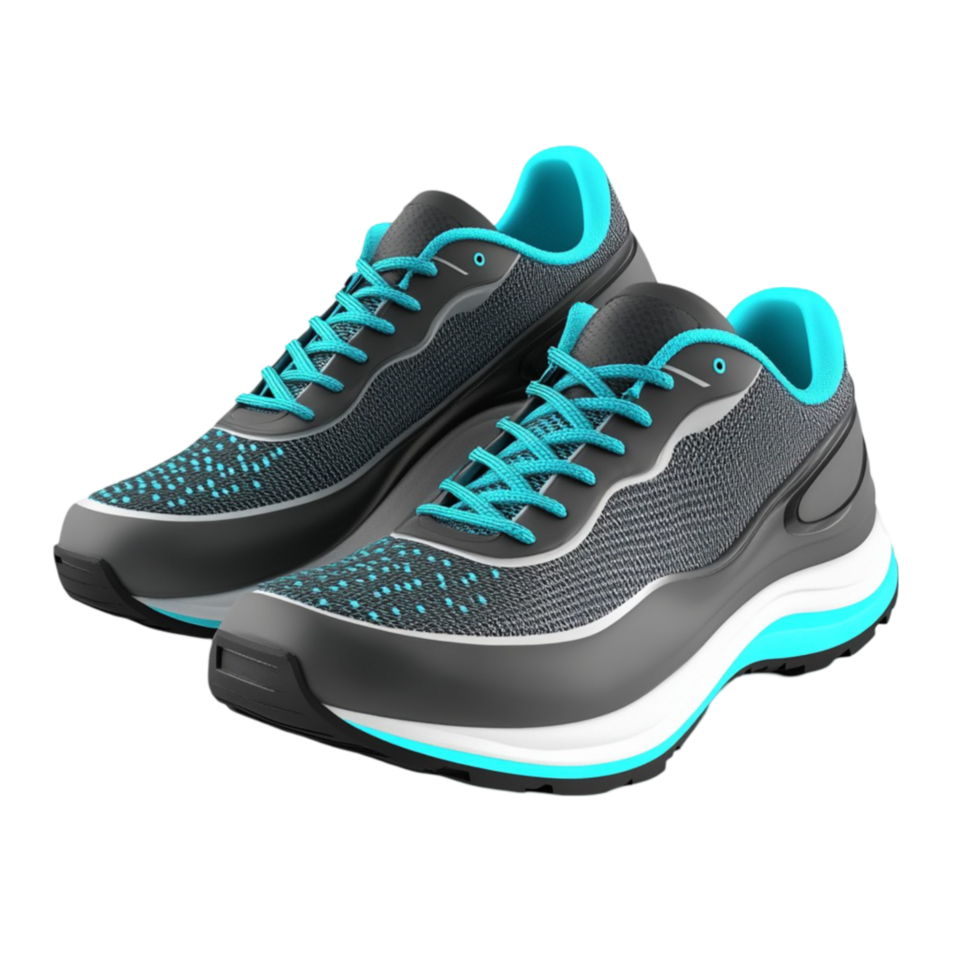
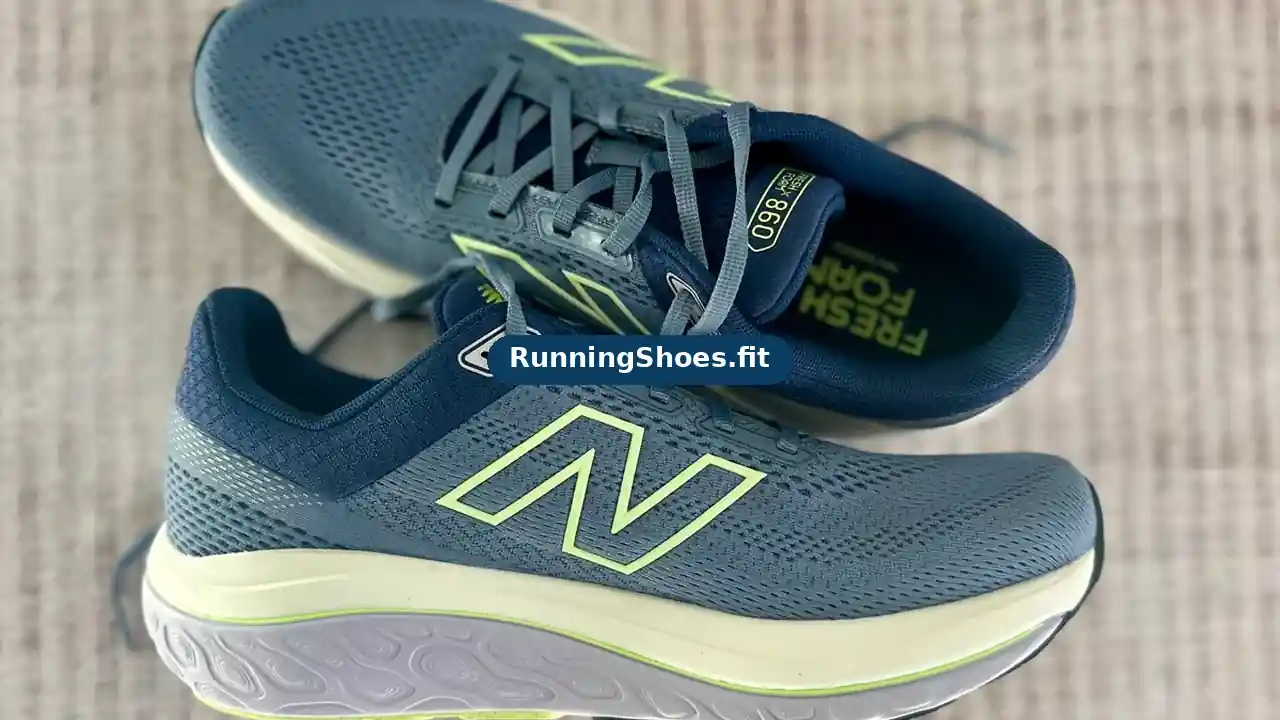

Arch support is where the Nike versus Adidas argument actually gets interesting. Both brands sell comfort by the truckload, but they build support into their shoes in genuinely different ways.
This comparison looks at how each brand approaches support, the five models that matter, and how to match them to your arch. If pain is already part of your running, start with our guide to the best running shoes for arch pain and come back here for the brand decision.
Why your arch decides this one
Your arch is a spring. It flattens a little at landing to absorb shock, then stiffens to push you forward, and it repeats that cycle thousands of times per run.
When the spring gets no help, the stress does not disappear. It travels: into the ankle, the shin, the knee, sometimes the lower back. Plantar fasciitis and shin splints are often just the bill arriving.
The three arch types in short
Flat feet and low arches usually overpronate, rolling inward too far, and do best with firm support on the inner side. Neutral arches roll a healthy amount and suit balanced shoes. High arches tend to supinate, rolling outward, and need cushioning more than control because the arch itself absorbs so little.
Nike’s approach: build the support in
Nike treats support as architecture. Wider bases, firmer foam on the medial side and uppers that hold the midfoot down do most of the work before the foam even gets a say.
The foams still matter. React and its successor ReactX give a soft but springy platform, ZoomX returns energy at race pace, and Flyknit uppers wrap the foot so it cannot slide across the support built underneath it.
Nike Structure 25
The Structure line is Nike’s long-running answer for overpronators, and the 25 keeps the formula: triple-density foam with a firmer medial section to check the inward roll. A broad midfoot platform makes landings feel planted rather than tippy.
- Best for: low to normal arches that need moderate to firm stability.
- Pros: dependable pronation control, hard-wearing, comfortable enough for daily training.
- Cons: firmer than many runners expect, and heavier than a neutral trainer.
Nike InfinityRN 4
The InfinityRN 4 was designed around injury reduction, and it rides like it. ReactX foam is cushioned without feeling sloppy, while the wide base and gentle rocker guide the foot through the stride instead of forcing it anywhere.
- Best for: neutral runners who want cushioned stability, and mild overpronators.
- Pros: very comfortable, smooth transitions, encourages steady landings.
- Cons: too bulky for fast sessions, and not structured enough for severe overpronation.
Adidas’s approach: cushion first, then control
Adidas starts from the foam and adds structure around it. Boost, made from fused TPU pellets, is a neutral, energetic foam, so any Adidas stability shoe has to earn its control from design rather than from the midsole material alone.
That is where the Torsion System comes in: a midfoot piece that lets the heel and forefoot move independently while the middle stays solid. Lightstrike foam keeps racier models light, and Primeknit uppers hold the foot with a close, sock-like fit.
Adidas Adistar CS 2.0
This is Adidas’s serious stability shoe, aimed at long runs. Dual-density REPETITOR+ foam puts a firmer post under the arch to manage pronation, and the upper is built to keep the foot centred over that support for hours.
- Best for: low to normal arches needing strong stability and cushioning together.
- Pros: high stability, plush underfoot, durable outsole.
- Cons: heavy feel, and far too structured for neutral runners.
Adidas Solar Control 3
The Solar Control 3 is the lighter, livelier take on the same idea. It blends Boost and Lightstrike cushioning with the LEP torsion system, so the support feels targeted rather than bulky.
- Best for: mild to moderate overpronators who still want a responsive ride.
- Pros: a good mix of cushioning and control, versatile across distances.
- Cons: less plush than max-cushion models, and not enough for severe pronation.
Adidas Ultraboost Light
Be clear about this one: the Ultraboost Light is a neutral shoe, not a stability model. Its wide platform and soft Boost do give some runners a feeling of steadiness, and the Primeknit+ upper cradles the foot closely.
It suits neutral runners and high arches that want maximum cushioning. Runners with sensitive feet beyond the arch should also look at our guide to running shoes for diabetic feet, where protection matters even more.
- Best for: neutral runners and high arches chasing comfort.
- Pros: outstanding cushioning and energy return, plush step-in feel.
- Cons: no real pronation control, and too soft for anyone who needs true stability.
Side by side
The short version, model by model:
| Model | Best for | How it supports |
|---|---|---|
| Nike Structure 25 | Overpronators who want firm guidance | Triple-density foam with a firmer medial section |
| Nike InfinityRN 4 | Neutral runners and mild overpronators | Wide base, rocker shape, ReactX cushioning |
| Adidas Adistar CS 2.0 | Long runs with strong stability needs | Dual-density REPETITOR+ foam with a firmer arch post |
| Adidas Solar Control 3 | Mild to moderate overpronation | Boost and Lightstrike foam with the LEP torsion system |
| Adidas Ultraboost Light | Neutral feet and high arches | Boost cushioning on a wide platform, no post |
The verdict
Neither brand wins this outright, because they are solving the problem from opposite ends. Nike builds structure first and cushions inside it; Adidas cushions first and adds structure around the foam.
In practice, your arch type matters more than the logo on the box. Strong overpronators usually feel safer in Nike’s structured approach, while runners who want softness with some guidance often prefer Adidas. For the wider brand picture, our full Adidas vs Nike running shoes comparison covers racing and training lines too.
Before you spend money
Check your arch and your gait
Start with the wet test: wet foot, step on paper, read the print. For a more reliable answer, a running shop gait analysis or a podiatrist visit beats guessing, and Mayo Clinic’s flatfeet guide explains what the shapes mean.
Fit beats technology
No foam system survives a bad fit. Leave a thumb’s width past your longest toe, keep the midfoot snug without squeezing, and check that the heel stays put. Shop late in the day, wear your running socks, and jog a few strides before you pay; Runner’s World has a detailed walkthrough of the whole buying process.
One more habit worth stealing: rotate your shoes. A stability pair for long runs and a cushioned neutral pair for easy days spreads the stress across different muscles and foams, and our best running shoes to buy in 2026 roundup is a good place to build that second pair.
When the shoe is not enough
Sometimes the honest answer is that no stock shoe gives your arch what it needs. Over-the-counter insoles are the cheap first step; custom orthotics, prescribed after a proper assessment, are the step after that.
If you go that route, take the orthotics shoe shopping with you. Most of these models have removable insoles, but depths vary, and the combination has to fit as a system.
A note on where I stand: I edit this site and I run in a lot of shoes, but I am not a medical professional and this comparison is not medical advice. Arch pain that persists, sharpens or spreads deserves a podiatrist, not another product page.
Questions runners ask
Do Nike and Adidas make shoes for flat feet?
Both do. Nike’s Structure series and Adidas’s Adistar CS and Solar Control lines build firmer support into the inner midsole to control inward roll. When you shop, the word to hunt for is stability in the shoe’s description.
Which brand suits high arches better?
Neither has a real edge, because high arches mostly need cushioning rather than control. Nike answers with soft ZoomX models such as the Invincible Run, Adidas with the Boost-filled Ultraboost Light. Choose on fit and on which foam feel you prefer underfoot.
Can I use custom orthotics in these shoes?
Usually, yes. Most Nike and Adidas trainers have removable insoles, so your orthotics can take their place. Try the combination on in the shop, because some models run shallow; our guide to how running shoes should fit explains the checks that matter.
How long do stability shoes keep supporting properly?
Plan on 300 to 500 miles, roughly four to six months of regular running. The support foams break down well before the outsole looks finished, so returning aches are often the real expiry signal.
Are stability shoes heavier than neutral ones?
Usually a little. Denser foams, posts and rails add grams, and there is no way to add structure for free. Modern models keep the penalty small enough that most runners stop noticing after the first run.
The bottom line
Pick your arch first, then pick your brand. Try the Structure 25 or Adistar CS if you overpronate, the InfinityRN 4 or Ultraboost Light if you do not, and let your feet cast the deciding vote. For the everyday pairs that fill the rest of the week, see our guide to the best road running shoes for daily training.

Pingback: Best Running Shoes for Arch Pain in 2026: Top Picks
Pingback: Adidas vs Nike Running Shoes: Which Is Better?