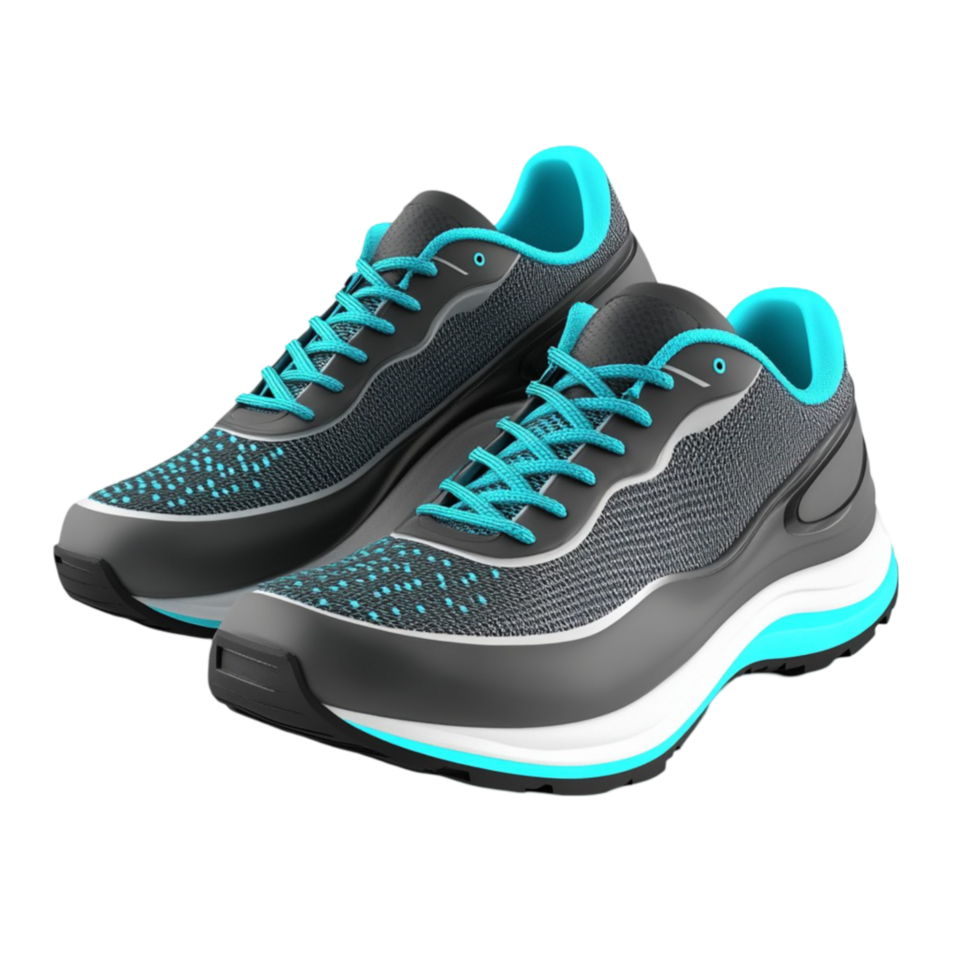
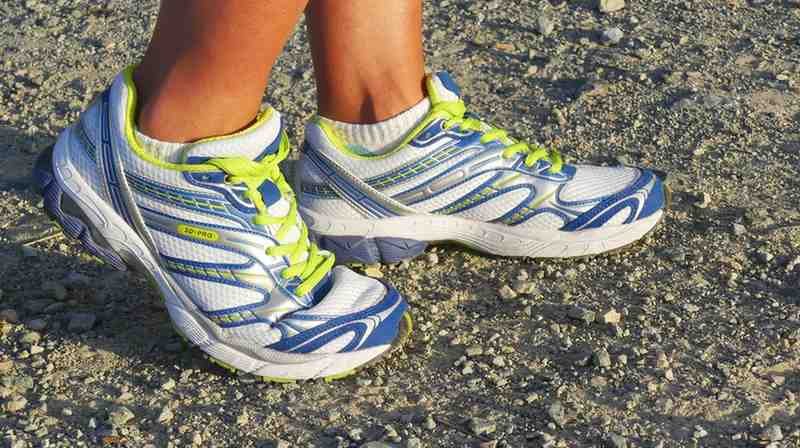

Your daily run should feel like a reward, not a chore. If your feet hurt after two miles, your footwear is likely failing you. Finding the best road running shoes for daily training can completely change how your body feels during and after a workout. The right pair protects your joints, absorbs impact, and keeps you moving forward without pain.
You need a shoe that balances soft comfort with long-lasting materials. In fact, the perfect daily trainer is the most important piece of gear you will ever own. It handles your easy recovery runs, your long weekend miles, and even your faster workouts. We will show you exactly what to look for so you can run pain-free for hundreds of miles.
Why the Best Road Running Shoes for Daily Training Matter for Your Joints
Your feet take a beating every time they hit the asphalt. Each step sends a shockwave up your legs that can stress your ankles, knees, and hips. According to the Mayo Clinic, repetitive stress on hard surfaces is a leading cause of painful shin splints.
Because of this, your shoes need to act as your primary defense system. A high-quality daily trainer absorbs that harsh impact before it reaches your bones. This extra protection is vital if you run on concrete sidewalks or hard asphalt roads every day.
Choosing the right footwear helps prevent common injuries like shin splints and plantar fasciitis. When your shoes protect your joints, you can train consistently week after week. This consistency is the real secret to becoming a stronger runner over time.
If you are constantly sidelined by minor aches, you cannot build your fitness. So, investing in a proper pair of shoes is actually an investment in your health. Your body will thank you for the extra protection on those hard pavement roads.
The Role of Cushioning in Your Everyday Runs
When shopping for everyday running shoes, cushioning is a top priority. Cushioning is the soft foam layer between your foot and the road. It determines how soft or firm your run feels.
Some runners prefer a plush, cloud-like sensation. Others want a firmer feel that lets them push off the ground quickly. You should choose your cushion level based on your daily mileage and personal comfort.
There is no single right answer for everyone. The key is finding a balance. You want enough foam to absorb impact but not so much that the shoe feels heavy or unstable.
Maximum Cushioning for High Mileage
Max-cushion shoes use thick stacks of soft foam to give you the ultimate level of comfort. These shoes are perfect for long runs when your feet get tired. The extra foam keeps your feet happy when you are on your feet for an hour or more.
They also work well for slow recovery days when your muscles feel sore. The thick foam keeps your legs feeling fresh even after many miles. But these shoes can sometimes feel bulky or slow.
If you want to run fast, a super-thick sole might feel like it is holding you back. Still, for pure joint protection, max cushioning is hard to beat. Many runners keep a pair of these specifically for their longest weekly efforts.
Moderate Cushioning for a Faster Feel
Moderate cushioning offers a middle ground that works for almost any run. These shoes are lighter and more responsive than max-cushion models. They give you a good mix of impact protection and ground feel.
You can easily pick up the pace when you want to run faster. These versatile shoes are often the best choice if you only want to buy one pair. They handle quick track workouts and long road runs equally well.
In fact, many of the most popular everyday running shoes fall into this category. They are the reliable workhorses of the running world. They offer enough protection for daily use without adding unnecessary weight to your feet.
Finding the Perfect Fit for Your Foot Shape
If you want your everyday running shoes to work well, you must get the right fit. The most advanced shoe in the world will still cause blisters if it does not fit your foot correctly. You must pay close attention to how the shoe wraps around your foot.
Never buy a shoe simply because it looks good or is on sale. Your feet expand when you run, so you need extra room. According to the American Academy of Podiatric Sports Medicine, improper shoe fit is a primary cause of foot pain and nail injuries in runners.
A good rule of thumb is to buy running shoes half a size larger than your casual shoes. This extra space prevents your toes from hitting the front of the shoe. You should also try on shoes at the end of the day because your feet are naturally larger then.
Why Toe Box Width Can Make or Break Your Run
The toe box is the front part of the shoe where your toes sit. A great daily trainer should always have a roomy toe box. It needs to be wide enough for your toes to splay out naturally.
If the toe box is too narrow, your toes will rub together. This friction quickly leads to painful blisters and bruised toenails. Many brands now offer wide versions of their popular daily trainers.
If you feel pressure on the sides of your feet, try a wider option. Your toes should have room to wiggle freely. This natural movement helps you balance and push off the ground with more power.
How to Prevent Heel Slipping
Your heel must stay locked securely in place while you run. If your heel slips up and down, you will get blisters on your Achilles tendon. This slipping also makes your stride feel unstable and inefficient.
To fix this, look for shoes with a stiff heel counter. This is the plastic cup inside the back of the shoe that holds your heel. A snug heel counter keeps your foot from sliding forward.
You can also use a special lacing technique called the runner’s loop. This simple trick locks your ankle down without putting too much pressure on your instep. If your heel still slips after trying these tips, the shoe is likely too big.
Understanding Shoe Lifespan and Durability
Daily trainers are built to handle a lot of wear and tear. But even high-quality footwear will eventually wear out. Most everyday running shoes last between 300 and 500 miles.
After this point, the foam loses its bounce and the rubber outsole wears thin. Running in worn-out shoes can lead to pain in your knees and feet. The foam stops absorbing impact, which forces your joints to take the shock.
You can track your shoe mileage using a simple running app or a calendar. This helps you know exactly when it is time to buy a new pair. Also, look at the bottom of your shoes regularly.
If the rubber grip is completely gone and you see the white foam underneath, replace them immediately. Do not wait until you feel pain to get a new pair. Staying ahead of shoe wear is key to staying healthy.
How Your Running Gait Affects Your Shoe Choice
Your gait is the way your foot behaves when it strikes the ground. Some people land flat, while others roll inward or outward. Knowing your gait helps you choose shoes that support your natural movement.
This reduces strain on your muscles and tendons. You can get a free gait analysis at a local running specialty store. They will watch you run on a treadmill to see how your feet move.
This simple test can save you from buying the wrong type of shoe and hurting yourself. It is a smart first step for any runner. To prevent injuries, you should also follow safe training guidelines, such as those provided by Harvard Health Publishing.
Neutral Shoes versus Stability Options
Neutral shoes are designed for runners whose feet do not roll inward excessively. They offer even cushioning without extra support structures. These shoes allow your feet to move naturally without guidance.
Stability shoes are made for runners who overpronate. Overpronation means your feet roll inward too much when you step. This rolling can put extra stress on your knees and shins.
These shoes use firmer foam or plastic posts on the inside of the sole. This extra support keeps your feet aligned and prevents knee pain. If you have flat feet, you will likely need a stability shoe.
Weight and Flexibility in Daily Trainers
Weight is another key factor when selecting your daily footwear. The weight of your shoes has a direct impact on how tired your legs feel. Heavy shoes make your muscles work harder with every single stride.
But lighter shoes often have less cushion and wear out faster. You must find the right balance for your daily training needs. Most runners prefer a shoe that feels light but still offers good protection.
Flexibility is also important. Your shoe should bend easily at the ball of your foot to allow a natural stride. If a shoe is too stiff, your calves and feet will have to work much harder, which can lead to tight muscles.
Smart Ways to Rotate Your Running Shoes
Many runners choose to use more than one pair of shoes at a time. This practice is called shoe rotation. If you want your daily shoes to last longer, try rotating them.
Rotating your shoes gives the foam time to decompress between runs. Foam usually needs about 24 to 48 hours to fully recover its shape. If you run every day in the same pair, the foam stays compressed.
This makes the shoes wear out much faster. Also, using different shoes strengthens different muscles in your feet. This variety makes your body more resilient and less prone to repetitive strain injuries.
According to a study published by the National Institutes of Health, rotating your running shoes can reduce your risk of running-related injuries by up to 39%. It is a simple way to stay healthy and get more miles out of your gear.
Conclusion
Choosing the right footwear is the most important decision you will make as a runner. The best road running shoes for daily training are the ones that disappear on your feet. They should feel comfortable from the very first step and protect your joints through every mile.
Focus on fit, cushioning, and support rather than style or brand names. Listen to your body and replace your shoes when they start to feel flat. With the right pair on your feet, you can enjoy your daily runs and reach all your fitness goals safely.
Frequently Asked Questions
What are the best road running shoes for daily training for beginners?
Beginners should look for neutral shoes with moderate cushioning. These shoes provide a safe balance of comfort and stability without being too heavy. Brands like Brooks, Nike, and Saucony offer great entry-level options that protect your feet while you build your running habit.
How many miles do the best road running shoes for daily training last?
Most high-quality daily training shoes last between 300 and 500 miles. The exact lifespan depends on your weight, running surface, and running style. If you notice new aches in your knees or joints, it is often a sign that the cushioning has worn out.
Can I use the best road running shoes for daily training on trails?
You can use road shoes on flat, packed dirt paths occasionally. But they are not designed for technical trails. Road shoes lack the deep lugs and protective rock plates needed to handle loose rocks, mud, and slippery tree roots safely.
How do I know if I need stability shoes?
You likely need stability shoes if your feet roll inward excessively when you walk or run. This is common for people with flat feet. You can check the wear pattern on your old shoes. If the inner side of the sole is heavily worn, you probably need stability support.
Should I buy running shoes a size larger than my normal shoes?
Yes, it is usually best to buy running shoes half a size to a full size larger than your casual shoes. Your feet swell during exercise, and your toes slide forward when running downhill. Extra space prevents painful blisters and black toenails.
Pingback: How to Choose the Best Running Shoes for Daily Runs
Pingback: Best Cheap Running Shoes That Actually Perform ⭐
Pingback: Best Marathon Running Shoes: Top Picks
Pingback: Top Rated Running Shoes Worth Buying in 2026
Pingback: Best Running Shoes for Treadmill Workouts