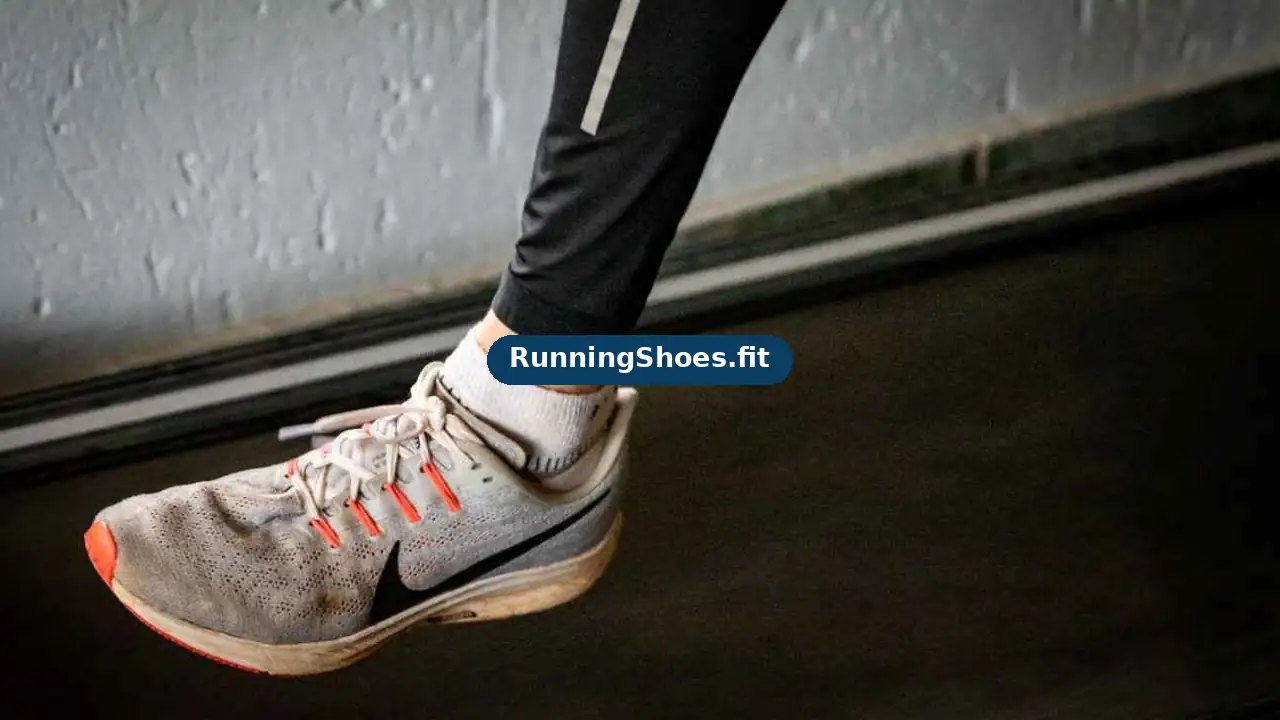

Running on a treadmill feels nothing like running outside. The belt moves under you, the surface never changes, and every step lands the same way, thousands of times in a row.
I am Muhammad, editor of RunningShoes.fit, and treadmill miles carry my training through every winter. That repetition is exactly why shoe choice matters indoors: the right pair cushions the constant pounding, keeps your feet cool, and helps you stay consistent whenever the weather will not cooperate. This guide covers what to look for and the models that keep earning their place on the belt.
Why indoor running is different
Outside, your stride adjusts to hills, curves, and uneven ground. On a treadmill, you land on a flat, slightly springy belt with the exact same mechanics step after step. That uniformity sounds easy, but it concentrates stress on the same joints and muscles every time.
Heat is the other difference nobody warns you about. Indoors there is no breeze, so your feet run hotter and sweat more. A good treadmill shoe absorbs repeated impact, returns a little energy with each push off, and breathes well enough to keep blisters away.
What to look for
You do not need a shoe labelled treadmill specific to run well indoors. You need a road shoe with the right mix of cushioning, airflow, grip, and fit. Here is what actually matters.
Cushioning
This is the big one. Look for a midsole that feels soft on landing but does not collapse under you. Too little cushioning and your knees will notice by mile four; too much and the shoe feels wobbly on the belt.
Breathability
Gyms and home workout rooms get warm fast. An engineered mesh upper lets heat escape instead of trapping it around your feet. Hot, damp feet blister sooner, so ventilation is not a luxury here.
Grip
Treadmill belts are smooth, so you do not need aggressive lugs. A flat rubber outsole with a mild tread pattern grips the belt perfectly and wears evenly. Skip trail shoes indoors: their lugs wear down fast on a belt and feel unstable on a flat surface.
Fit
Feet swell during a run, even indoors. Leave about a thumb’s width between your longest toe and the front of the shoe, and make sure the heel does not slip. If you are unsure how a shoe should feel, our guide on how running shoes should fit walks through it step by step.
Weight
Lighter shoes feel faster and make intervals more fun, but they usually pack less cushioning. Heavier runners and high mileage trainers are better off with more shoe underfoot. Match the weight to your workouts, not to what looks fast on the shelf.
Our top picks
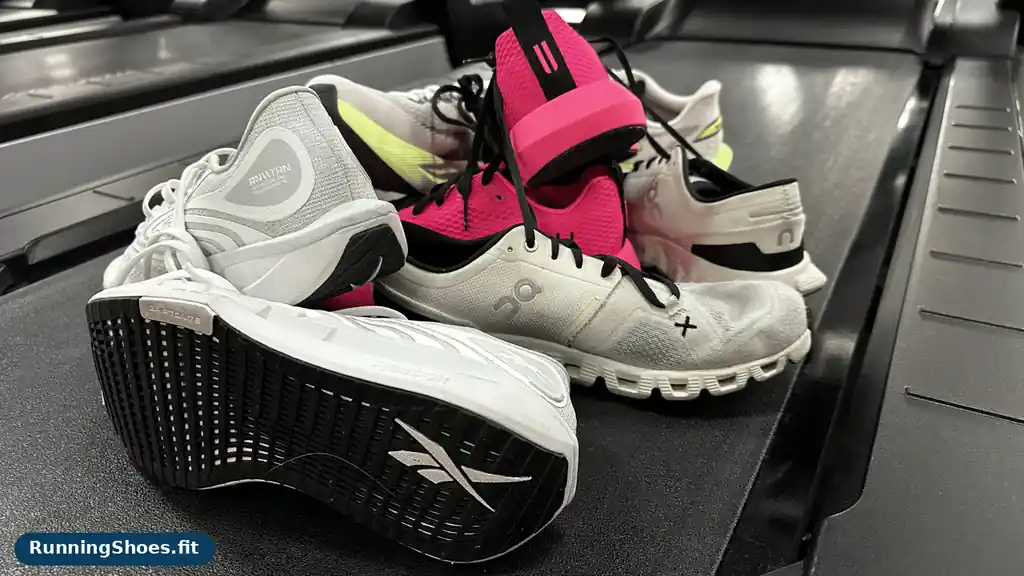
These four models keep showing up on treadmills for good reason. They cushion well, breathe well, and hold up to indoor mileage. Also read our guide to choosing running shoes for daily runs if you want one pair that covers both indoor and outdoor runs.
Hoka Clifton
The Clifton is the plush cruiser of the group. Its thick midsole swallows treadmill impact, which makes it a favourite for long indoor sessions.
Despite all that cushioning, it stays light enough that your legs do not feel dead at the end of an hour. If easy miles are your main menu, start here.
Brooks Ghost
The Ghost is the reliable all rounder. Cushioning is balanced rather than maximal, transitions feel smooth at any pace, and the fit works for a lot of foot shapes.
Check the current Brooks Ghost lineup to compare versions. It is the shoe I recommend when someone asks for one safe treadmill pick.
Saucony Kinvara
The Kinvara is for runners who like to feel quick. It has a lower heel drop and a snappier ride that suits intervals and tempo work on the belt.
See the latest Saucony Kinvara models if you want a lighter shoe for speed days. Runners who prefer maximum softness for easy miles may like another pick on this list better.
New Balance Fresh Foam X 880
The 880 is a steady daily trainer that handles treadmill miles without complaint. The Fresh Foam X midsole lands in the sweet spot between soft and firm, and the outsole holds up to regular indoor use. It is a sensible pick if you run most days and want one dependable shoe in the rotation.
| Shoe | Best for | Ride |
|---|---|---|
| Hoka Clifton | Long indoor sessions | Plush and light |
| Brooks Ghost | One safe all round pick | Balanced and smooth |
| Saucony Kinvara | Intervals and tempo work | Low drop and snappy |
| New Balance Fresh Foam X 880 | Daily indoor mileage | Steady, between soft and firm |
Picking your pair
Know your feet
Neutral runners can pick almost anything on this list. If your feet roll inward a lot, look for a stability model instead.
Runners with arch support needs should pay extra attention to fit, because the wrong shoe on a treadmill announces itself fast. The AAOS guide to athletic shoes is a solid primer on matching shoes to foot type.
Match the shoe to the workout
Easy miles and long runs call for cushioning. Intervals and faster sessions feel better in something lighter and more responsive. If you do both, many runners keep two pairs and rotate them, and your knees and your shoes will both last longer.
Budget and replacement
Good shoes cost more because the foam and construction last longer. Even so, every pair wears out, usually between 300 and 500 miles.
Track your mileage and retire shoes when the cushioning feels flat instead of springy. Our best cheap running shoes roundup proves you can find decent options without overspending.
Keeping them fresh
Treadmill shoes live a sweaty life. Pull them out of your gym bag after every run so they air out fully, and brush off dust with a soft brush and mild soap instead of machine washing, which breaks down glues and foams.
Store them somewhere cool and dry, away from direct heat. For a deeper dive, see our guide on how to clean running shoes.
Watch: shoes for treadmill running
The video below is a comprehensive guide to treadmill footwear, covering cushioning, fit, and what to avoid. It is a good watch before you commit to a pair.
Frequently asked questions
Can I use my outdoor running shoes on a treadmill?
Yes, your regular road shoes work fine on a treadmill. Many runners keep a dedicated indoor pair, though, because treadmill miles add up fast and a separate pair spreads the wear. A dedicated pair also stays cleaner since it never touches the road.
Do I need special shoes for treadmill running?
Not really. Any good road running shoe works. Just prioritise cushioning for the repeated impact, a breathable upper for the indoor heat, and a flat outsole that grips the smooth belt.
How often should I replace treadmill running shoes?
About every 300 to 500 miles, the same as outdoor shoes. Treadmill miles count just like road miles. When the midsole feels flat instead of springy, or new aches show up, it is time for a fresh pair.
Are trail shoes okay on a treadmill?
They work, but they are a poor choice. The lugs wear down quickly on a smooth belt and feel unstable on the flat surface. Save trail shoes for the trails and use road shoes indoors.
Why do my feet get so hot when I run on a treadmill?
Indoors there is no airflow to cool your feet, so heat and sweat build up fast. Shoes with breathable mesh uppers help a lot. Moisture wicking socks and airing your shoes out after every run make a difference too.
The bottom line
The best treadmill shoe is the one that cushions your stride, fits your feet, and suits your workouts, because indoors fit matters more than the brand name. Start with the picks above, pay attention to fit, and replace them before they go flat. If you are still comparing options, our roundup of the best running shoes to buy in 2026 covers more all round favourites.


Pingback: What to Look for When Buying Running Shoes
Pingback: Best Running Shoe Brands in 2026: Top Picks
Pingback: Best Neutral Running Shoes in 2026: Top Everyday Picks
Pingback: Best Running Shoes with Arch Support 2026
Pingback: Are Carbon Plate Running Shoes Worth It?
Pingback: Best Running Shoes for Beginners: Top Picks & Tips
Pingback: Running Shoes vs Training Shoes: What Is the Difference?
Pingback: Best Running Shoes for High Arches 2026
Pingback: Best 5K & 10K Running Shoes for Every Runner
Pingback: How Long Do Running Shoes Last?