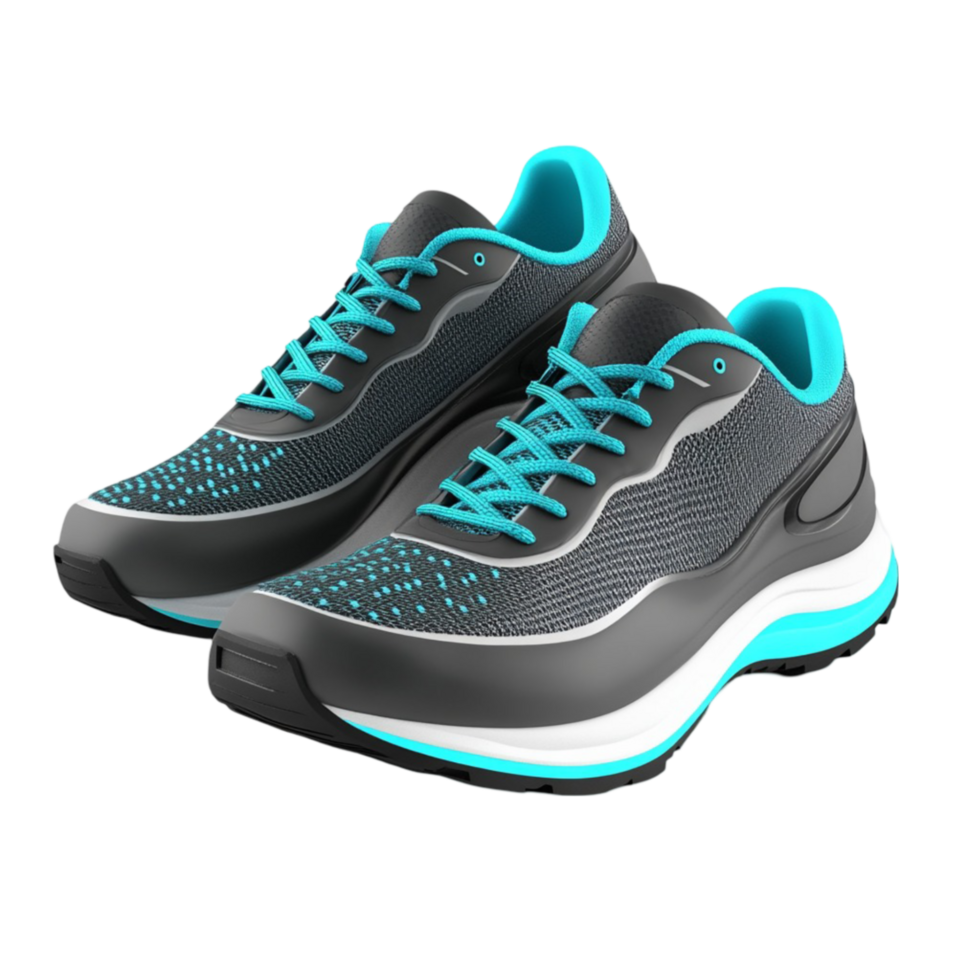


Every serious rotation has a gap in the middle. Your daily trainer feels sluggish when the workout calls for speed, and your carbon race shoe feels like burning money on a Tuesday threshold session, so the tempo shoe exists to live exactly between those two extremes.
I am Muhammad, editor of RunningShoes.fit, and this guide picks the best tempo shoes for faster training days in 2026. Our site already covers race day shoes in depth, but the tempo trainer, the shoe you actually race your training in, deserved its own guide, so here it is.
What a tempo shoe has to do
A tempo shoe is a compromise engineered on purpose. It needs race shoe ingredients, light weight, responsive foam, and some kind of plate, wrapped in a package durable enough for weekly workouts instead of a handful of races.
Faster than a daily trainer
The difference shows up the moment you change pace. A good tempo shoe rolls you forward and rewards a quicker cadence, where a daily trainer absorbs the effort and asks for more, which is why runners who do all their workouts in trainers often feel flat on race day.
Tougher than a race shoe
Race foams are soft, light, and short lived. Tempo shoes use slightly firmer compounds, nylon or composite plates instead of full carbon, and real rubber on the outsole, so the shoe still feels alive after 300 miles of intervals, and our explainer on whether carbon plate shoes are worth it covers why the plate material matters less than people think.
The result is the hardest working shoe in a marathon build. It handles tempo runs, threshold work, progression long runs, and even race day for runners who would rather not spend super shoe money, which is why getting this purchase right pays off every single week.
The best tempo shoes
Best overall: Saucony Endorphin Speed 6
The Endorphin Speed 6 is the current tempo shoe by which the others get judged, replacing the Speed 5 in October 2026. It uses new PWRRUN PBX foam, a beaded PEBA foam, around a redesigned full length nylon plate, with Saucony’s SpeedRoll geometry rolling the foot forward through the stride. The ride feels eager without feeling unstable, and at about 8 ounces it disappears on the foot. The Speed 5 is now the value buy in the line, often found for about $130, and it remains a fine tempo shoe if the new foam is not worth the extra money to you.
The specs tell the story of balance: a 38mm heel stack and 30mm forefoot stack on an 8mm drop, 2mm more foam than the Speed 5 at both ends, and a plate that bends rather than fights you. It costs about $175 to $180, and it is lighter than the Speed 5 despite the extra foam. That combination suits long tempo efforts, progression runs, and half marathon racing, where cushion and snap both matter late in the run. It does not suit runners who want a soft, relaxed easy day shoe, because the plate and rocker feel restless at slow paces.
Versatility is the headline. The Speed 5 handles intervals, threshold runs, and progression long runs, and plenty of runners race half marathons in it, which makes it the easiest recommendation in this guide.
Best value: Adidas Adizero Boston 13
The Boston 13 is the traditionalist’s tempo shoe, and at about $160 it undercuts the Saucony while giving up very little. A layer of race grade Lightstrike Pro foam sits over a firmer Lightstrike base, with glass fibre EnergyRods running through it, so the ride feels direct, snappy, and honest.
It runs on a 7mm drop with a lower, more grounded feel than the Speed 5. Runners who find modern super trainers tall and tippy tend to love the Boston, because it rewards good mechanics instead of masking bad ones, and it doubles as a marathon trainer for runners who race in something else.
The Boston 13 is still the current model, and no Boston 14 has been announced, so there is no newer version to wait for. The Lightstrike Pro top layer gives the race feel, the firmer Lightstrike base and EnergyRods keep the ride direct and stable, and Continental rubber on the outsole grips well on wet roads. That grounded feel suits runners with clean mechanics, marathoners who want a durable trainer for big weeks, and anyone who finds tall, soft tempo shoes tippy. Heavier runners should note the firm ride feels harder under more weight, so compare it with the softer picks in our best running shoes for heavy runners guide before buying.
The fit is the watch out. The Boston 13 runs snug through the midfoot, so wide footed runners should try before they buy, while the Speed 5 and the next pick are kinder to broader feet.
Best for a race day feel: Nike Zoom Fly 6
The Zoom Fly 6 is the tempo shoe for runners who want their training to feel like racing. A ZoomX foam core, the same family of foam as Nike’s flagship racers, sits around a full length carbon plate, so the bounce and snap are a clear step above nylon plated rivals.
At about $180, with a 42mm heel and 34mm forefoot stack on an 8mm drop, it is the closest thing here to a super shoe that can survive weekly training. A ZoomX foam top layer gives the bounce, a firmer SR-02 foam underneath adds stability and durability, and a full length carbon FlyPlate sits between them. The compromises are real, though: the carbon plate feels stiffer at easy paces, the fit runs narrow through the forefoot, and the ZoomX wears faster than the foams in the other two picks, so high mileage runners will replace it sooner.
Choose it if your tempo days double as race rehearsals and you want one shoe for workouts and B races. Marathoners building toward a goal race will find it pairs naturally with the racers in our guide to the best marathon running shoes.
| Shoe | Plate and foam | Best for |
|---|---|---|
| Saucony Endorphin Speed 6 | Nylon plate, PWRRUN PBX | All round tempo versatility |
| Adidas Adizero Boston 13 | EnergyRods, Lightstrike Pro | Value and a grounded, direct ride |
| Nike Zoom Fly 6 | Carbon plate, ZoomX core | Race day feel in training |
How to choose your tempo shoe
Match the shoe to your hardest weekly session. If that session is a long tempo or progression run, the Speed 5’s cushion and flexibility win. If it is short, sharp intervals on a budget, the Boston 13 is the smart buy, and if it is race pace rehearsal, the Zoom Fly 6 earns its premium.
Also think about what the tempo shoe replaces. Runners moving up from one all purpose pair should start with the Speed 5, while runners who already own a super shoe for racing can save money with the Boston. Our guide to choosing running shoes for daily runs explains how the daily trainer underneath this purchase should feel, because the two shoes are a pair, not rivals.
Shorter distance racers have a slightly different brief. If your speed work points at a 5K or 10K goal rather than a marathon build, compare these picks with our guide to the best running shoes for 5K and 10K races before spending, because the line between tempo trainer and race shoe gets thin at those distances.
Getting the most from a tempo shoe
Keep tempo shoes for tempo work. Every easy mile you spend in them is foam life burned for nothing, and rotating them against a daily trainer is how a pair survives a full marathon build. The Running Warehouse Endorphin Speed 5 page makes the same rotation point in its product notes, and it applies to all three shoes here.
Expect roughly 250 to 400 miles from a tempo shoe, less than a daily trainer and more than a racer. When the plate starts feeling flat and the foam stops springing back, the shoe is telling you its fast days are over.
How to fit a tempo shoe into your week
Use the tempo shoe for one or two quality sessions a week and keep easy miles in a daily trainer, so the fast foam lasts through a full marathon build. Try tempo shoes on in the afternoon, when feet are slightly swollen, and leave a thumb width in front of your longest toe, because a plated shoe that pinches at mile one only gets worse at mile ten. Runners new to plated shoes should start with the Speed 6, which is the most forgiving of the three, and read our heel drop explained guide if the drops quoted here feel unfamiliar. When the plate feels flat and the foam stops springing back, retire the pair to easy miles or replace it, and our guide on how many miles running shoes last explains the signs to watch for.
One more habit separates good tempo shoes from wasted ones: warm up in them properly. Plated shoes feel stiff and awkward for the first mile, then open up as the foam warms and your stride lengthens, so judge every pair in this guide by the second half of a workout, never by the jog to the start line.
Watch: Endorphin Speed 5 put to the test
In this video, four runners from The Run Testers compare the Endorphin Speed 5 with another popular fast trainer and pick between them. It shows exactly how the Speed 5 behaves across different runners and paces.
Frequently asked questions
What is the difference between a tempo shoe and a race shoe?
Tempo shoes borrow race shoe ideas, light foams and plates, but build them tougher for weekly training. Race shoes go lighter and softer for a handful of big days, and wear out far faster if you train in them.
Can I race in a tempo shoe?
Yes, and many runners do, especially at half marathon distance and below. A tempo shoe like the Endorphin Speed 5 gives up a little top end speed to a carbon racer but feels far better value for most runners.
Do tempo shoes need a plate?
Most modern tempo shoes have one, nylon, composite, or carbon, because the plate adds snap and stability at speed. It is not compulsory, but at this price the plated options are simply faster and fresher feeling.
How many miles do tempo shoes last?
Plan on roughly 250 to 400 miles. The foams are lighter than daily trainer foams, so they pack down sooner, and rotating the pair against an everyday trainer stretches that life considerably.
Which tempo shoe suits heavier runners?
The Endorphin Speed 5, thanks to its cushioning and wider, stable base. The Boston 13 feels firm under heavier loads, and the Zoom Fly 6 foam compresses fastest of the three under bigger runners.
The bottom line
The Endorphin Speed 6 is the tempo shoe to beat, the Boston 13 is the value pick with a classic feel, and the Zoom Fly 6 is the racer in training clothes. All three respect the same job description: faster than your daily trainer, tougher than your race shoe.
Buy the one that matches your hardest weekly session, keep it for that job, and rotate it against your daily trainer. Do that, and this middle shoe quietly becomes the most important pair you own.