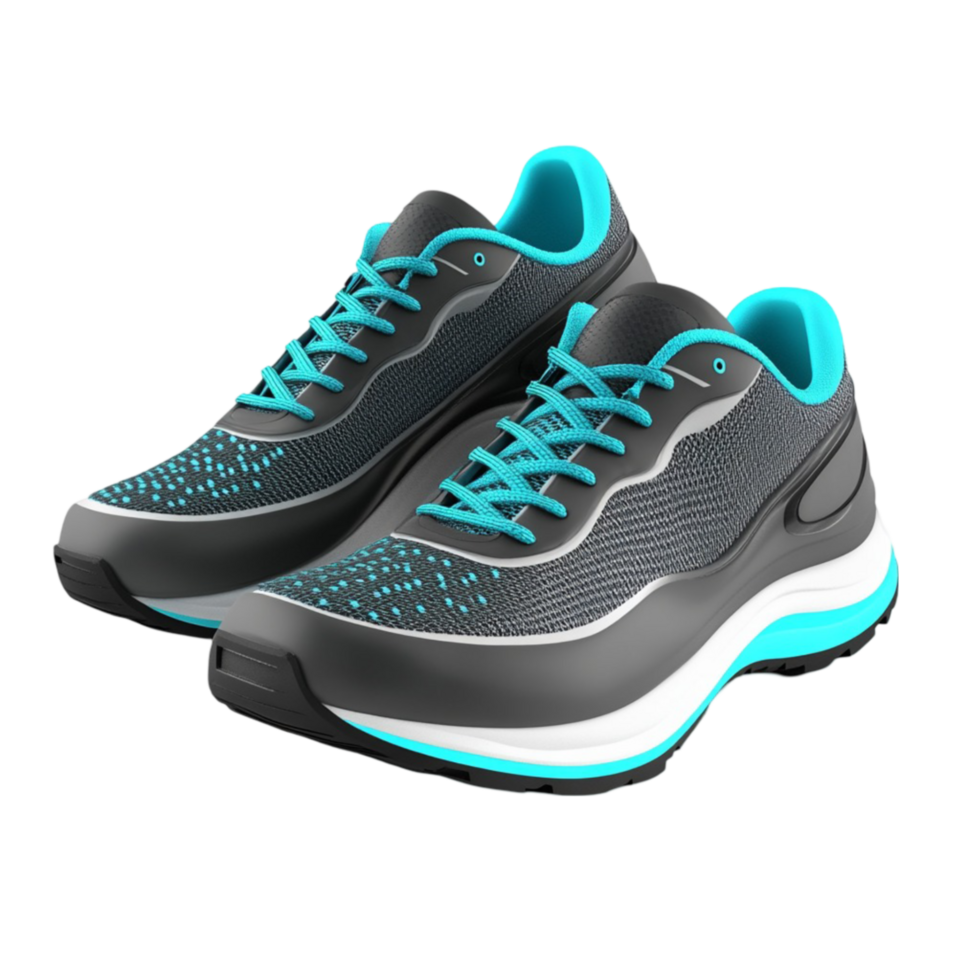
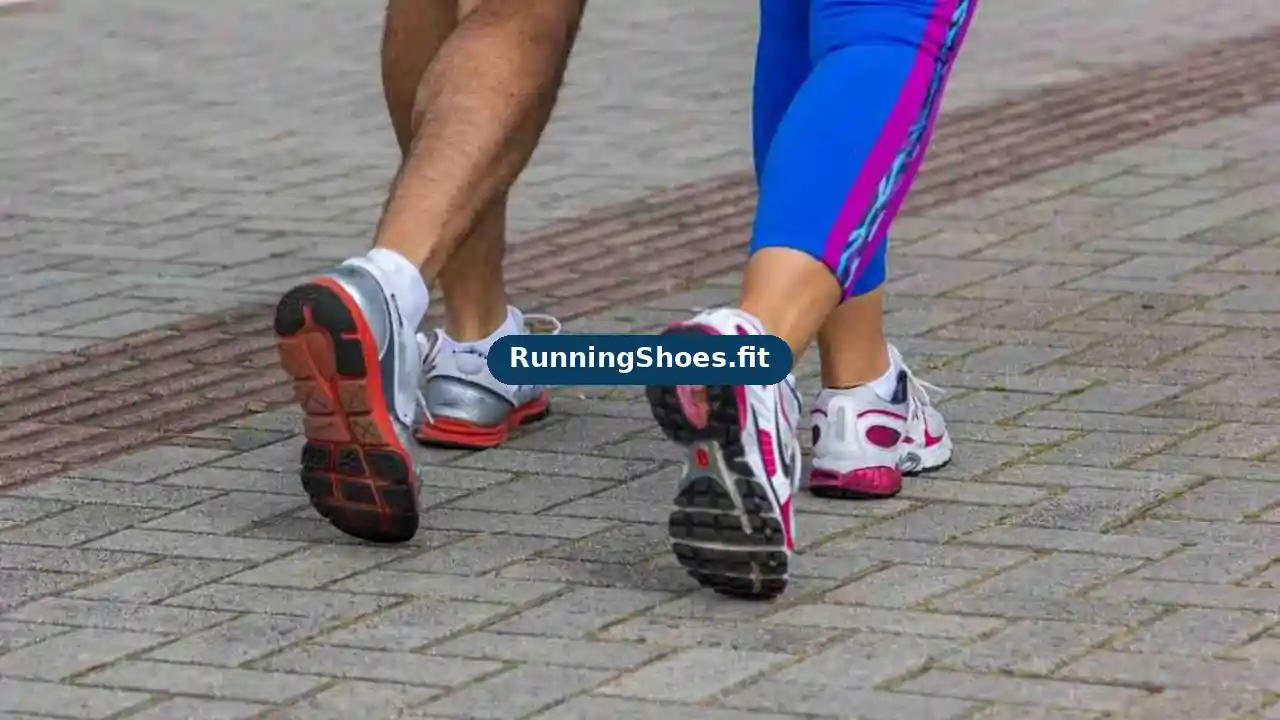

There is a moment every runner knows. You are five miles in, your legs feel heavy, and each footstrike lands a little harder than the last. That is when cushioning stops being a marketing word and starts being the reason you finish strong.
I am Muhammad, editor of RunningShoes.fit, and cushioned trainers carry most of my weekly miles. This guide explains what cushioning actually does, who benefits most, and which proven models are worth trying first.
What cushioning actually does
Every step sends force up through your ankles, knees, and hips. A cushioned midsole spreads that force out, so your joints feel softness instead of shock. Over thousands of steps, that difference adds up.
Good cushioning does two jobs at once. It absorbs repetitive impact, and it returns enough energy to keep your stride lively. The best cushioned shoes feel soft at landing but not dead at takeoff, and that balance is the whole trick.
Soft, plush, and balanced are three different rides
Cushioned shoes split into three feels, and the label rarely says which one you are buying. Soft shoes absorb impact gently and suit recovery days and sore legs. Plush shoes add deep foam that protects on long runs but can feel vague when the pace rises. Balanced shoes, such as the Ghost 18 at $150 with DNA LOFT v3 foam and a 10mm drop, feel soft enough to be comfortable and firm enough to feel efficient. A runner who buys plush when they wanted balanced will feel slow, while a runner who buys balanced when they needed plush will feel beaten up by mile fifteen.
Who benefits most from cushioning
Road runners feel the difference first. Concrete and asphalt return almost all the impact to your body, so the shoe has to do the absorbing. Heavier runners benefit too, because more weight means more force per step, and a well cushioned shoe handles that load without bottoming out.
Load is where foam quality shows up, because cheap foam compresses and stays compressed under a heavier runner, while premium foam springs back stride after stride. The Glycerin 23, the current model at $175 with an 8mm drop and the plushest daily cushioning in the Brooks road lineup, suits heavier runners and long distance specialists. The 1080v15 is the other heavy load option, at about $170 with new Infinion foam, roughly 39 to 40mm of stack under the heel, 33 to 34mm under the forefoot, and a 6mm drop. Both handle high mileage without bottoming out. For more protective picks, see our best running shoes for heavy runners guide.
Anyone building mileage will also appreciate the help when tired legs start pounding late in a run. That said, cushioning cannot fix a bad fit: a soft shoe that slips at the heel or squeezes your toes will still cause blisters and black toenails. Our guide on how running shoes should fit covers the basics that matter more than any foam.
Recovery days are the quiet case for cushioning. The day after a hard session, your legs have nothing left to absorb impact with, so the shoe does the work instead. Plenty of runners keep their cushioned pair purely for those easy, tired miles, and swear it is the reason they can train again the day after.
How to choose the right pair
Stack height and foam
Stack height is the amount of material between your foot and the ground. More stack usually means more cushioning, but it also raises your centre of gravity, which can feel wobbly on turns and uneven pavement.
Foam quality matters as much as quantity. Premium foams stay soft and springy for hundreds of miles, while cheap foam can feel flat within a month. Browse the current lineups at Brooks and ASICS to see how the big brands describe their cushioning systems.
Heel to toe drop
Drop is the height difference between heel and forefoot. Most cushioned daily trainers sit between 8 and 12 millimetres, which suits heel strikers and feels natural for easy miles.
Drop changes how cushioning feels, even when the stack height is the same. A 10mm drop shoe such as the Ghost 18 or the Pegasus 42, at about $145 with ReactX foam and a 37mm heel and 27mm forefoot stack, shifts load away from the calves and Achilles and feels natural for heel strikers. A 6mm drop shoe such as the 1080v15 keeps the ride balanced for heel strikers and midfoot strikers alike, while an 8mm drop shoe such as the Glycerin 23 or the Clifton 11, launched July 1, 2026 at $155 with a 42mm heel and 34mm forefoot stack, sits in the middle. Stick close to the drop you already run in. For the basics, see our heel drop explained guide.
Stick close to whatever drop you already run in. Jumping from 12 millimetres to 4 overnight is a fast way to earn sore calves. If you want to experiment, transition gradually over several weeks.
Weight versus softness
Cushioning adds weight, and weight costs energy over long distances. The sweet spot is a shoe that feels protective without feeling like a boot on your foot.
The store test is simple: jog a few strides and notice the landing and the push-off. You want soft on impact and springy, not mushy, as you roll forward. If it feels like running in sand, keep looking.
Cushioned shoes worth trying
These are proven cushioned trainers with long track records. Any of them is a safe starting point for high mileage comfort.
If you can, try two of them side by side in the store, one on each foot if the staff allow it. Cushioning is a feel, not a number, and the difference between balanced and plush is obvious within ten strides. Pick the one your legs prefer, not the one with the bigger spec sheet.
Brooks Ghost
The default cushioned daily trainer. The Ghost is balanced, smooth, and easy to find in most running stores, which makes it the pair I suggest when a runner asks for one safe recommendation.
The current Ghost 18 keeps that balanced ride, with DNA LOFT v3 foam, a 10mm drop, and an engineered air mesh upper that breathes well on warm runs. It suits first time runners, steady daily trainers, and anyone who wants one shoe for most of the week, and the Ghost 17 is now the previous generation and a genuine value buy at a lower price when it goes on sale. Above the Ghost sits the Glycerin 23 for runners who prioritise comfort above all else, and the Nimbus 28, current since January 2026 at about $165 with FF Blast Plus foam and PureGEL under the heel, for runners who want the softest ride Asics makes. The Ghost does not suit runners who want maximum plushness or a light, snappy feel.
ASICS Gel-Nimbus
Plusher and softer than the Ghost, and a longtime favourite for long, slow distance days. If your priority is maximum softness from a mainstream brand, the Nimbus is where the search usually ends.
New Balance 1080
Protective and smooth, with wide sizes for runners who need extra room. The New Balance 1080 suits almost any foot and almost any easy run, which is exactly what a daily trainer should do.
Saucony Triumph
Soft with a livelier bounce than most cushioned shoes. The Triumph suits runners who want cushioning without a dull ride, and it holds up well when the weekly miles climb.
Buying your first pair? Start with our beginner shoe guide to match cushioning to your needs. Runners with flat feet should also read our flat feet picks, because soft foam alone does not replace real support.
The four picks, side by side
| Shoe | Feel | Best for |
|---|---|---|
| Brooks Ghost | Balanced and smooth | A safe first cushioned trainer |
| ASICS Gel-Nimbus | Plush and soft | Long, slow distance days |
| New Balance 1080 | Protective, wide sizes available | Almost any foot, almost any easy run |
| Saucony Triumph | Soft with a lively bounce | Cushioning without a dull ride |
When cushioning is not the answer
More foam is not always better. Very soft, very tall shoes can feel unstable, especially for lighter runners or anyone with wobbly ankles.
Instability is the real trade-off of max cushion, and it shows up most on turns, cambered roads, and uneven pavement, where a tall, soft stack raises your centre of gravity and the shoe rolls instead of holding its line. Lighter runners feel it most because they do not compress the foam enough to reach a stable base, while heavier runners sink into the foam and find more support. If you feel like you are fighting to stay balanced, the shoe is doing too much, and a lower, firmer cushioned shoe will serve you better. The Triumph 24, released June 2026 as the current Saucony plushest road shoe, is the useful middle ground: soft with a livelier bounce than most cushioned shoes.
If you feel like you are fighting to stay balanced, the shoe is doing too much.Speed work is another exception. For intervals and tempo runs, a lighter and firmer shoe gives better ground feel and quicker turnover, which is why many runners rotate a cushioned daily trainer with a lightweight option for faster days.
Breaking them in
Most modern cushioned shoes feel good right out of the box. Still, give them two or three short runs before you judge, because the foam settles slightly and the upper moulds to your foot.
Walk around the house in them first. If anything rubs or pinches in the first hour, it will only get worse at mile eight. Swap them early instead of hoping they will magically break in.
Watch: cushioned shoes explained
The video below walks through the top cushioned picks for 2026 and explains who each one suits best. It is a useful second opinion before you buy.
Frequently asked questions
Are cushioned running shoes good for everyday running?
Yes, for most runners they are ideal. A cushioned daily trainer is the workhorse of most shoe rotations, handling easy runs, long runs, and recovery days. Just make sure the fit is right, because no amount of foam fixes a shoe that slips or pinches.
Do cushioned shoes help with knee pain?
They can reduce the impact stress your knees absorb, which helps some runners feel better on the run. Cushioning is not treatment, though. If knee pain persists for more than a couple of weeks, see a physiotherapist to find the real cause.
How long do cushioned running shoes last?
Most last 300 to 500 miles, just like other trainers. The foam gradually compresses and loses its bounce, even if the outsole still looks fine. When the soft feel fades or familiar runs start aching, it is time for a new pair.
Are max cushion shoes good for beginners?
They can be, but the tallest and softest models feel unstable under some runners. Beginners usually do better with moderate, balanced cushioning that still feels connected to the ground. You can always go plusher once you know what you like.
Should I size up in cushioned running shoes?
Use the same fit rules as any running shoe. Leave a thumb’s width of space ahead of your longest toe, and shop later in the day when your feet are slightly swollen. Thick cushioning does not change how much room your toes need.
The bottom line
Cushioning is a tool, not a magic fix. Match the shoe to your miles, your surface, and your feet, and the foam will do the rest. Get the fit right first, pick proven cushioning, and enjoy the soft miles.



Pingback: Best Asics Running Shoes for Road Running
Pingback: Best Running Shoes for Knee Pain
Pingback: Best Running Shoes for Heavy Runners in 2026
Pingback: Best Saucony Running Shoes for Daily Miles
Pingback: Best Running Shoes for Long Distance 2026
Pingback: Best Brooks Running Shoes in 2026 for Every Type of Runner
Pingback: Best On Running Shoes in 2026: Cloudsurfer, Cloudmonster, Cloudboom
Pingback: Best Shoes for Walking and Running in 2026: One Pair, Both Jobs
Pingback: Best Running Shoes for Standing All Day: Bondi 9, Ghost Max 3, Nimbus 27