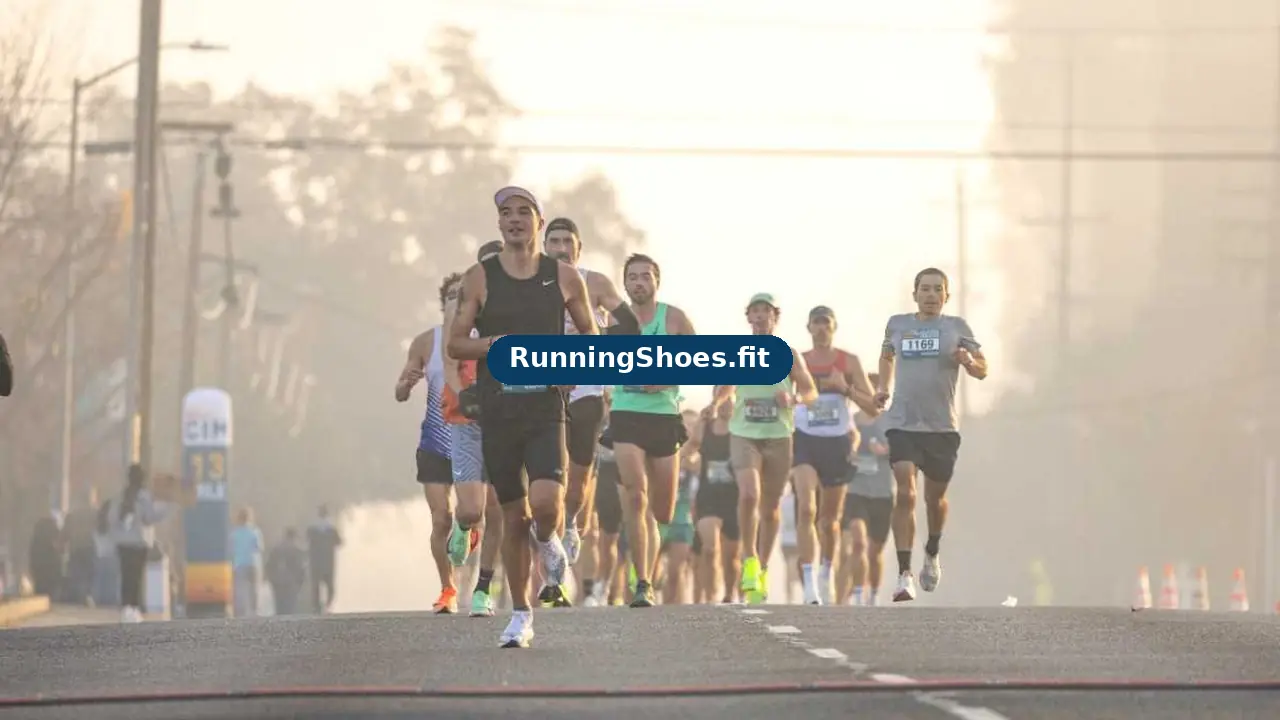

Finding the best running shoes for a half marathon used to be complicated. Now the formula is clear: a dependable trainer for the daily miles, and a faster shoe for race day.
I am Muhammad, editor of RunningShoes.fit, and the half marathon is my favourite distance to train for. It is long enough to demand real work, but short enough that you can race it hard without wrecking your body for a month. This guide covers the two-shoe strategy, the trainers worth your money, and the racers that deliver on the day.
Why a half marathon needs a shoe strategy
A half marathon asks two different things from your footwear. Training demands durability, comfort, and protection across hundreds of miles. Race day rewards lightness, energy return, and efficiency.
No single shoe does both jobs perfectly, which is why most half marathoners rotate at least two pairs: a workhorse trainer for daily miles and a faster shoe for workouts and race day. Our guide to the best marathon running shoes follows the same two-shoe logic for the full distance.
If you can only afford one pair, make it the trainer. A great training shoe will get you to the finish line, while a great racing shoe without the training behind it will not. Priorities matter more than products.
The training shoe: your most important purchase
You will run 80 to 90 percent of your half marathon miles in your training shoe, so this is where your money should go first. Look for reliable cushioning, a comfortable upper, and enough durability to survive the full training block.
The Nike Pegasus 42 remains the default recommendation for a reason. It handles easy runs, long runs, and moderate workouts without complaint, and it lasts. The Brooks Ghost 18 is the other safe bet, with a slightly softer ride that many runners prefer for high mileage weeks.
If you want maximum softness in training, the Saucony Triumph brings plush cushioning that keeps legs fresh through the biggest weeks. Any of these will carry you to the start line in good shape, and our roundup of the best running shoes for long distance has more high mileage options.
Fit matters more than brand here. Your training shoe should leave a thumb width of space ahead of your longest toe, and it should feel comfortable from the first run, not after a painful break-in.
Super shoes explained simply
Super shoes are racing shoes built around two technologies: a carbon fibre plate in the midsole and a thick layer of ultra responsive foam. Together they return more energy with each stride, which means less effort at a given pace.
The science is real but often overstated. For most runners, a super shoe is worth a few seconds per mile, not minutes. That still matters over 13.1 miles, where seconds per mile add up to real time at the finish.
There are trade-offs. Super shoes are expensive, less durable than trainers, and their aggressive geometry can beat up your calves if you have not trained in them. Our guide to whether carbon plate shoes are worth it digs deeper into the value question.
The best racers for half marathon day
These are the proven race day options, all with real results at the half marathon distance. Every model below is a genuine contender, so the choice comes down to fit and feel.
Nike Vaporfly: the original super shoe
The Vaporfly started the super shoe revolution, and it remains one of the fastest half marathon shoes you can buy. The combination of ZoomX foam and a full length carbon plate delivers an efficient, propulsive ride. It suits runners who want the most efficient ride possible and do not mind a narrow, race focused fit.
Nike Alphafly: maximum cushion, maximum speed
The Alphafly takes the Vaporfly formula and adds even more ZoomX foam plus Air pods under the forefoot. The result is a taller, bouncier ride that many runners prefer for the half marathon over the marathon. The fit is roomier than the Vaporfly, which helps in the later miles when feet swell.
Adidas Adizero Adios Pro: the racer’s racer
The Adios Pro is the Adidas answer to the Vaporfly, and many runners consider it the best handling super shoe of the bunch. Lightstrike Pro foam and carbon rods create a stable, fast ride that feels natural at half marathon pace. It suits runners who find the Nike racers unstable or narrow.
ASICS Metaspeed: built for stride types
The Metaspeed line is unique because ASICS makes versions tuned for different running styles, with options for stride runners and cadence runners. The ride is firm, fast, and efficient, with a rocker that encourages quick turnover. Browse the range at ASICS running shoes if a snappy, ground connected feel sounds like your thing.
Brooks Hyperion Elite: the lightweight option
The Hyperion Elite is the Brooks carbon plated racer, and it stands out for being lighter and lower to the ground than most super shoes. The ride is quick and nimble rather than towering and bouncy. If you loved old school racing flats, this is their modern heir.
Saucony Endorphin Pro: the people’s racer
The Endorphin Pro delivers the super shoe experience at a friendlier price and with a more forgiving fit. The Speedroll geometry rolls you forward efficiently, and the plate keeps things smooth. It also handles training miles better than most racers, so you can actually practise in it.
| Racer | Best for |
|---|---|
| Nike Vaporfly | Chasing a personal best at any cost |
| Nike Alphafly | Maximum bounce and cushion |
| Adidas Adizero Adios Pro | Stable, natural speed |
| ASICS Metaspeed | Snappy, efficient turnover |
| Brooks Hyperion Elite | Light and nimble racing |
| Saucony Endorphin Pro | A first super shoe |
How to break in race day shoes
Do not make race day the first time you wear a super shoe. Run at least two or three workouts in them, including one session with some miles at goal half marathon pace, so the foam and your legs both know what is coming.
Pay attention to your calves and Achilles, because the aggressive geometry loads these areas differently and soreness after the first run is normal. Save the shoes for key sessions after that: most super shoes last 150 to 250 miles, so every easy mile in them is race day magic wasted.
When to replace your half marathon shoes
Start your training block in trainers with plenty of life left. If your daily shoes already have more than 300 miles on them, replace them before week one, because fresh foam protects your legs through the highest mileage weeks. Our guide on how many miles running shoes last explains the signs to watch for.
Buy your race day shoes early in the cycle, not the week before the race. Prices are often better two to three months out, and you get the full break-in period without stress. If you also race shorter distances, our 5K and 10K shoe guide covers how these racers perform at speed.
Watch: shoes for the half marathon
The video below looks at the shoes that work best for marathon and half marathon training and racing. It is a useful visual companion before you spend money on a racer.
Frequently asked questions
Do I need super shoes for a half marathon?
No, but they help. A good daily trainer is enough to finish strong, and many runners set personal bests without carbon plates. Super shoes add a few seconds per mile, which matters most if you are chasing a time goal.
How many miles should I run in race day shoes before the race?
Aim for 20 to 40 miles across two or three workouts, including some miles at goal pace. This breaks in the foam and lets your legs adapt to the geometry. Never debut a shoe on race day.
Can I train in my race day shoes?
You can, but it is wasteful and risky. Super shoes wear out quickly, and their aggressive ride can overload your calves at high mileage. Use them for key workouts and save the magic for race day.
What is the difference between the Vaporfly and the Alphafly?
Both use ZoomX foam and a carbon plate, but the Alphafly adds more foam and forefoot Air pods for a taller, bouncier ride. The Vaporfly is lighter and more efficient, while the Alphafly is more cushioned. Try both if you can.
How many pairs of shoes do I need for half marathon training?
Two pairs cover almost everyone: a durable daily trainer for most miles and a faster shoe for workouts and race day. If the budget only stretches to one pair, buy the trainer first. Racing shoes are a luxury, training shoes are the foundation.
The bottom line
The half marathon rewards runners who train in a dependable daily shoe and race in something fast. You do not need the most expensive option, but you should respect the distance with proper footwear and a simple rule: train in comfort, race in speed.
Get that balance right and you will arrive at the start line ready to run your best. See the latest trainer lineup at Nike running if you want to start with the workhorse first.
Please note: this article is for general information only and is not medical advice. If you have persistent pain or an injury, see a qualified health professional before changing your training or footwear.

Pingback: Best Running Shoes for 5K and 10K Races in 2026