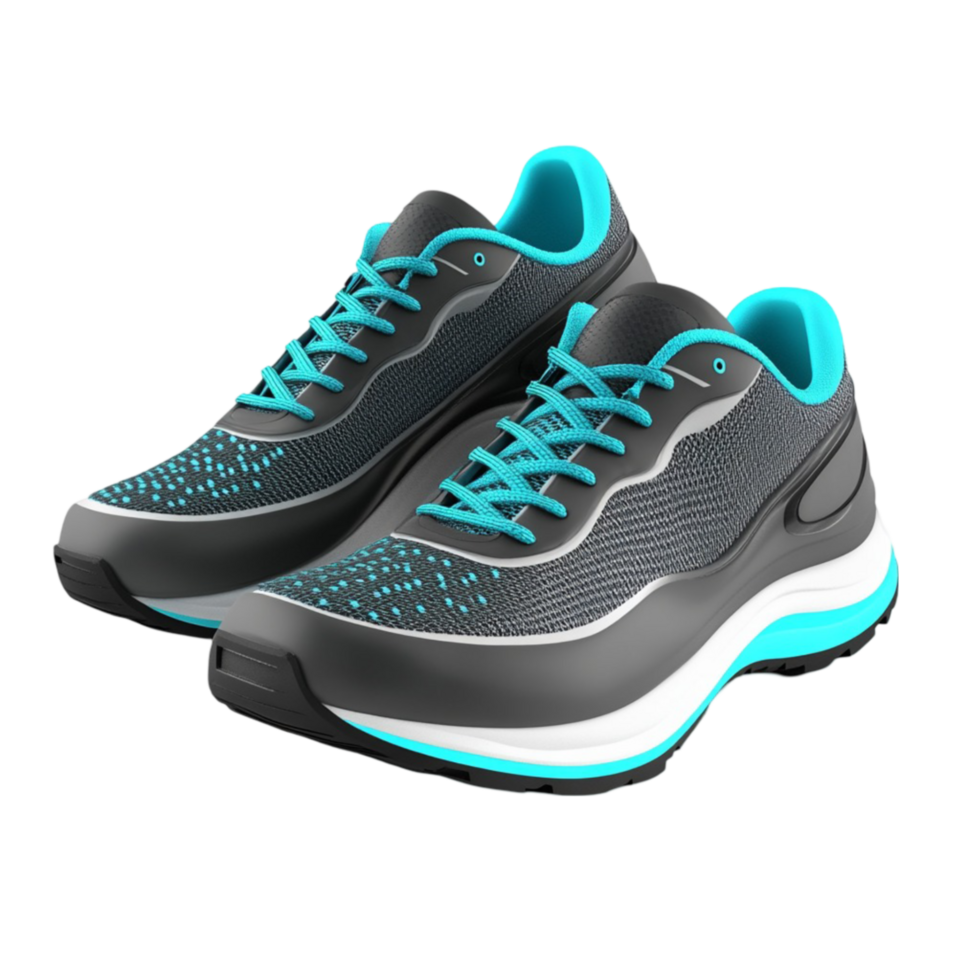

There is a particular joy in a light shoe. Your legs turn over quicker, hills feel shorter, and the whole run feels like it costs less. It is no surprise so many runners go hunting for the lightest trainer they can find.
I am Muhammad, editor of RunningShoes.fit, and I keep a light pair in my own rotation for tempo days. I also know where the limits are, because I have worn out enough pairs to learn them.
This guide covers what lightweight actually means, what you give up to get it, and the models that earn their place. If your miles are getting longer, pair it with our guide to the best running shoes for long distance before you decide.
What lightweight really means
Most daily trainers weigh between 8 and 10 ounces. Lightweight shoes dip into the 6 to 8 ounce range by using less foam, thinner uppers, and simpler designs with fewer extras.
Below 6 ounces you are in racing shoe territory, built for one fast day rather than daily training. Weight matters, but it is not everything: a well designed 9 ounce shoe can feel faster than a clumsy 7 ounce one, because fit, foam quality, and geometry count just as much as the number on the scale.
Foam and geometry decide whether light feels fast
Lightness on paper comes from three places, and only one is the scale weight. Foam quality decides whether a light shoe still protects your legs: modern foams such as Lightstrike Pro in the Adidas Adizero Evo SL, FuelCell in the New Balance Rebel v5, and PWRRUN PB in Saucony tempo shoes stay springy at low weight, while thin, dense foam feels harsh after a few miles. Rocker geometry decides whether the shoe rolls you forward or makes your calves do the work. A light shoe that fails on foam or geometry will feel slower than a heavier shoe that gets both right.
The tradeoffs nobody mentions
Cushioning versus weight
Foam is heavy, so the simplest way to cut weight is to use less of it. That means many lightweight shoes offer less protection underfoot. If you are injury prone or run high mileage, cushioning should win over a few saved ounces.
The sweet spot is a shoe that feels light without beating up your legs. Modern foams are far better at this balance than the thin, harsh racers of the past, and the best light trainers now protect far better than their weight suggests.
Durability versus weight
Less material means less to wear through. Lightweight uppers scuff and tear sooner, and soft foams compress faster than the denser foams in standard trainers.
Expect roughly 250 to 400 miles from very light models, against 300 to 500 from standard trainers.
That shorter life changes the value maths, and it is worth doing before you buy. A light shoe at a premium price that lasts 300 miles costs more per mile than a standard trainer such as the Pegasus 42, released April 9, 2026 at about $145 with ReactX foam, a full length Air Zoom unit, a 10mm drop, and a 37mm heel and 27mm forefoot stack. The Pegasus 41 is now the value buy in the same line, with the same ReactX foam at a lower price when it goes on sale. Light shoes earn their price when saved for tempo days, intervals, and races. Used for every easy run, they wear out fast and give your legs no variety.
That is not a dealbreaker, just maths to factor into the price: a lighter shoe you replace sooner can still be worth it if it makes you love running more.Who light shoes suit, and who should wait
Lightweight shoes suit experienced runners with efficient form, lighter runners who do not need maximum cushioning, and anyone who runs a lot of fast workouts. If that sounds like you, you will probably love them from the first tempo run.
Beginners, heavier runners, and anyone returning from injury should start with more shoe.
Body weight is the deciding factor here, not fitness or enthusiasm. A heavier runner loads each footstrike with more force, so thin foam bottoms out sooner and the ride feels harsh by the end of a run, even if the shoe felt fine for the first mile. Lighter runners can get away with less foam because each landing asks less of the midsole, which is why the same light shoe can feel protective to one runner and punishing to another. If you are a heavier runner who still wants a lively feel, start with a cushioned daily trainer and add a light shoe only for short workouts. Our best running shoes for heavy runners guide compares the protective options first.
Build a base in a standard trainer first; our beginners guide explains what to buy at that stage. There is no prize for running in the lightest shoe before your legs are ready for it.The light shoes worth your money
Every shoe below works for daily training, not just race day. They were picked on weight, ride quality, and how versatile they are across a training week.
Adidas Adizero Evo SL
The shoe that made lightweight fun again. The Evo SL is bouncy, light, and versatile enough for daily miles, yet it still feels alive when you pick up the pace.
The Evo SL earns that reputation because it uses full Lightstrike Pro foam, the same racing foam family as the Adizero Adios Pro 4, without a carbon plate, at about 224g with roughly a 6.5 to 8mm drop. That plate free design is the key trade-off: it feels lively at tempo pace and forgiving at easy pace, while a plated racer feels awkward and unstable at an easy effort. The Rebel v5 is the closest rival, built on FuelCell foam, an EVA and PEBA blend that feels light and lively at tempo pace. For the racing end, see our guide on whether carbon plate running shoes are worth it.
It is the one I reach for when a run could turn into a workout.Saucony Kinvara
The original lightweight trainer, refined over many versions. The Saucony Kinvara keeps things simple: a light build, a natural feel, and nothing you do not need. It is a safe, proven pick for runners who like feeling the ground.
New Balance FuelCell Rebel
Soft, light, and fast feeling. The Rebel suits tempo days and daily runs alike, with enough bounce to keep easy miles interesting. Runners who find most light shoes too harsh usually get along with this one.
ASICS Gel-Cumulus
Not the absolute lightest shoe here, but light for the cushioning it carries. The ASICS Gel-Cumulus works as a bridge shoe: a step lighter than a standard trainer, without giving up the protection most runners still need.
Hoka Mach
Hoka’s lightweight daily trainer keeps the brand’s signature smooth ride in a much lighter package. It rolls along happily at easy and steady paces, which makes it an easy shoe to live with day after day.
Nike Pegasus
Still the all-rounder, and lighter than it used to be. If you want one shoe that does a bit of everything, the Pegasus remains the default answer. It is rarely the best shoe at any single job, but it is good at all of them.
Side by side
| Shoe | Best for | Ride | Expected miles |
|---|---|---|---|
| Adidas Adizero Evo SL | Daily miles with pace changes | Bouncy and lively | 250 to 400 |
| Saucony Kinvara | Runners who like ground feel | Light and natural | 250 to 400 |
| New Balance FuelCell Rebel | Tempo days and daily runs | Soft and fast feeling | 250 to 400 |
| ASICS Gel-Cumulus | A first step into lighter shoes | Cushioned and steady | 300 to 500 |
| Hoka Mach | Easy and steady daily miles | Smooth and rolling | 300 to 400 |
| Nike Pegasus | One shoe for everything | Balanced all-rounder | 300 to 500 |
Watch: light daily trainers tested
The Run Testers run in everything and keep honest notes. Their 2026 daily trainer roundup below features several of the lightest options worth buying, including picks from Adidas, ASICS, Nike, and New Balance.
How to transition to lighter shoes safely
Do not swap overnight. Start by using the lighter shoe for one or two short runs a week, and keep your regular trainer for everything else. Your calves and Achilles need time to adapt to less shoe under them.
Add strides and short faster efforts in the light shoe before you trust it with long runs. If your calves complain after every run, slow the transition down rather than pushing through it. Fit matters even more here, so check our guide on how running shoes should fit before you buy.
Rotation helps too. Using your light shoe for every run wears it out fast and gives your legs no variety, while a two shoe rotation extends the life of both pairs. Save the light pair for tempo days, intervals, and races, where it genuinely earns its keep.
Race day is where the line between a light trainer and a racing shoe matters most. A light daily trainer such as the Evo SL or the Rebel v5 can handle a 5K or 10K and still feel comfortable the day after, while a true racing flat is built for one fast day rather than daily training and retires sooner. The Hoka Mach 7, the current lightweight daily trainer in the Hoka range, shows the other side: it keeps the brand signature smooth ride in a much lighter package and rolls happily at easy and steady paces, but it will not feel as sharp as a tempo shoe when the pace rises. Pick the light shoe by the run it will actually do most often. For short race choices, see our best running shoes for 5K and 10K races guide.
Keep an eye on the foam as the miles build. Press your thumb into the midsole every few weeks: if it feels flat and dead instead of springy, the shoe is done even if the upper still looks fine. And if you are curious about the fastest end of the spectrum, our guide on whether carbon plate shoes are worth it explains who actually benefits from racing tech.
Frequently asked questions
Are lightweight running shoes bad for beginners?
They can be. Very light shoes often carry less cushioning and support, which beginners need while their bodies adapt to running. Start with a standard cushioned trainer, build a base of easy miles, then move lighter if you still want to.
How light is a lightweight running shoe?
Most daily trainers weigh 8 to 10 ounces. Lightweight models dip to 6 to 8 ounces, and below 6 ounces you are in racing shoe territory, which is a different beast entirely.
Do lightweight shoes wear out faster?
Often, yes. Less material means less to wear through, and soft lightweight foams compress sooner. Expect 250 to 400 miles from very light models, against 300 to 500 miles from standard trainers.
Can I run a marathon in lightweight shoes?
Experienced runners do, but it depends on the shoe and on your legs. Lightweight daily trainers can handle marathon distance. True racing flats are best saved for race day itself.
Are carbon plates worth it for everyday runners?
For most daily miles, no. Carbon plates shine at fast paces but can feel awkward and unstable at an easy effort. They are a race day tool, not a training staple.
The bottom line
Lighter shoes will not make you fast overnight, but they change how running feels, and that matters more than most spec sheets admit. Treat weight as a tiebreaker, not the whole decision: pick the lightest shoe that still protects your legs, transition into it slowly, and save it for the runs where it shines.


Pingback: Best Cushioned Running Shoes in 2026 for Softer Miles