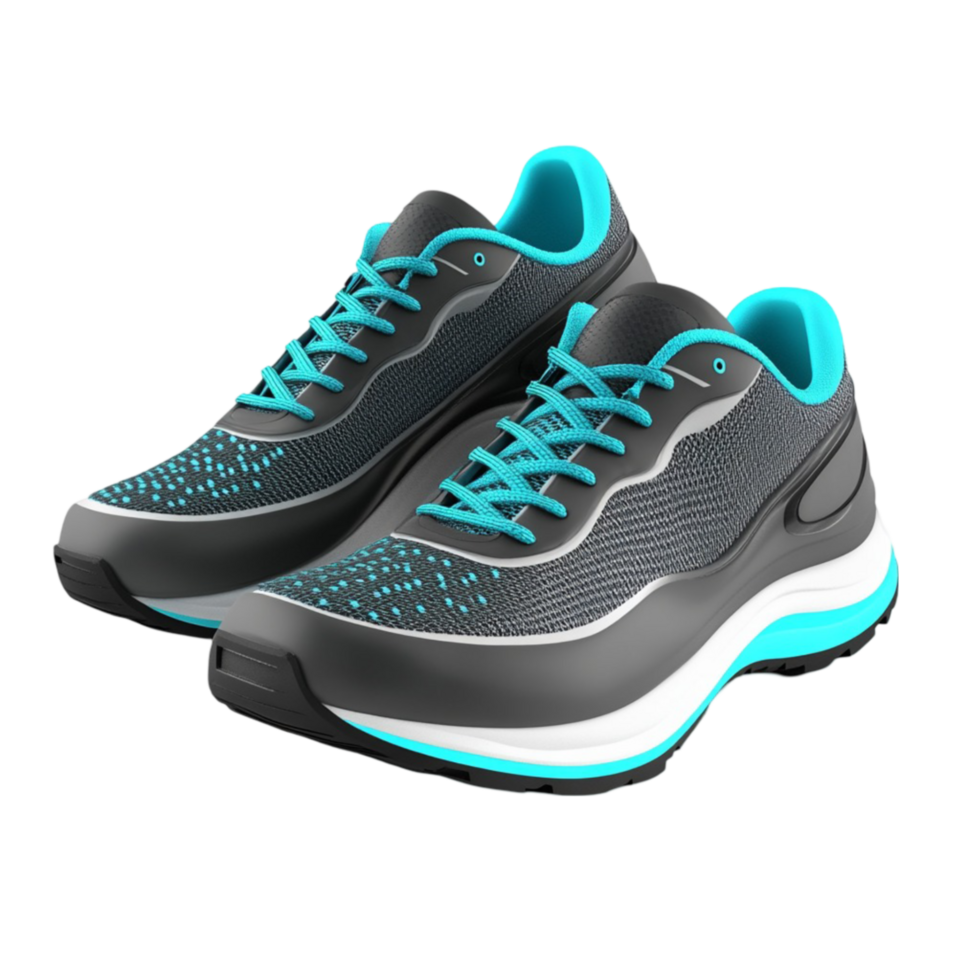

One pair of shoes for both walking and running sounds like a compromise. In practice, it is what most of us actually need: you walk the dog, jog three mornings a week, and stand around at weekend games.
I am Muhammad, editor of RunningShoes.fit, and the good news is that a solid daily running shoe already does both jobs well. This guide explains what to look for and rounds up the shoes that handle the double duty best.
Why walking and running ask different things
Running hits harder. Each stride loads your body with roughly two and a half times your weight, so running shoes pack in cushioning to absorb the beating.
How drop geometry changes the walk run balance
Drop geometry is the height difference between heel and forefoot, and it shapes how a shoe rolls in both activities. A moderate drop, often around 8 to 10mm in a daily trainer, gives a smooth heel to toe transition for running and still feels natural on a walk. A very high stack can feel stable on a run but tippy when you stand or walk slowly, while a very low drop can load the calves more on long walks. If you are unsure what drop suits you, read heel drop explained before you shortlist shoes, then test the same shoe walking and jogging in the shop.
Walking is gentler but longer. Your foot rolls from heel to toe and stays planted much longer, so forefoot flexibility and a stable platform matter more.
Foot strike and pronation matter here too, even at walking pace. A heel striker who overpronates will wear the inner heel edge first, while a forefoot walker will crease the shoe across the ball of the foot. Check the wear pattern on your old shoes before you buy, because it shows where you actually load the shoe, not where you think you do. A shoe with a firm heel counter and a stable base helps if your foot rolls inward, and a flexible forefoot helps if your walk is long and your toe off is strong. Do not buy a stiff racing shoe for this job, because the plate and rocker that help at race pace fight the natural bend of a walk.
A good double duty shoe covers both: soft enough for the run, flexible enough for the walk.
What to look for
Four things decide whether a shoe works for both activities. Get these right and the rest is details.
Cushioning that does double duty
You want a midsole that absorbs running impact yet still feels comfortable on a long walk. Modern foams handle this balance well. Too stiff and walking feels like clomping around; too soft and runs feel sloppy.
Support where it counts
Arch support keeps your feet aligned whether you are on mile one or mile ten. If your feet roll inward noticeably, a touch of stability helps over long distances. Our fit guide shows how to check your own stride at home.
Flexibility
Walking needs a forefoot that bends with your toe off. Most daily trainers flex fine here, but stiff racing shoes do not.
Common mistakes when buying one pair for both
The most common mistake is buying for the run you wish you did, not the walking you actually do. A second mistake is sizing for the morning, when feet are smallest, then finding the shoe tight by the afternoon. A third is ignoring lacing, because a heel that slips on a walk will blister faster than it will on a short run. Try the runner’s loop lacing method in our guide to how to lace running shoes if your heel lifts, and walk the shop floor for several minutes before you decide. If you need a shoe built mainly for walking, compare these picks with our best running shoes for walking first.
Bend the shoe in your hands before buying: it should crease at the ball of the foot, not in the middle.Durability and fit
Two activities mean double the miles, so look for solid rubber under the heel and forefoot where wear hits first. And none of it matters without fit: a thumb’s width in front of the toes, no heel slip, no pressure points. New to all this? Our beginner shoe guide covers fit in detail.
The shoes that handle both
These six are proven daily trainers with the cushioning for runs and the comfort for long walks. Prices are approximate street prices and move around with sales.
Hoka Clifton 9
The Clifton is famous for thick, soft cushioning, and the ninth version keeps that plush feel while trimming weight. Its rocker shape rolls you smoothly from heel to toe, which walkers love and runners appreciate on easy days.
It uses a high stack EVA foam with Meta-Rocker geometry and a breathable knit upper. The trade off is the tall stack, which is not for everyone, and it is not a speed shoe. Price: around $145 to $160.
Brooks Ghost 15
The Ghost is the default answer for a reason. It is balanced, reliable, and comfortable for any easy run or long walk, with DNA LOFT cushioning that feels soft without turning mushy.
You get DNA LOFT v2 foam, a Segmented Crash Pad, and an engineered mesh upper that fits most feet well. It is versatile and durable, if middle of the road in every way. Price: around $130 to $140. See the current lineup at Brooks.
Saucony Kinvara 14
The Kinvara is the light, lively pick. It gives up some cushioning for flexibility and a connected feel underfoot. It suits shorter runs and brisk walks rather than all day mileage.
PWRRUN foam, a flexible outsole, and a minimal upper keep it agile with good ground feel. The cost is less protection on long days. Price: around $120 to $130.
New Balance Fresh Foam X 880v13
The 880 is a workhorse. Its Fresh Foam X midsole is cushioned but composed, and the shoe shrugs off high mileage. Wide sizes are available, which walkers with broader feet will appreciate.
A dual layer Fresh Foam X midsole and durable rubber outsole do the work. It is a touch heavy and not built for speed. Price: around $135 to $145. Browse the range at New Balance.
ASICS GEL-Kayano 30
The Kayano is a stability shoe, but the 30 rides so smoothly that plenty of neutral runners wear it too. If you overpronate or just like a guided, secure feel, this is the pick. The build quality is about as tough as running shoes get.
PureGEL cushioning, FF BLAST PLUS ECO foam, and the 4D Guidance System provide the support. It is heavier, and the stability is overkill for true neutral feet. Price: around $160 to $170. Details at ASICS.
On Cloudstratus 3
On’s double layer of Cloud pods gives a unique, springy ride that absorbs impact in two stages. It feels great on long walks and easy runs alike. The look is distinctive, which you will either love or not.
Double CloudTec cushioning, Helion foam, and a Speedboard deliver max cushioning with response.
That is On’s CloudTec at work: our best On running shoes guide organises the range by CloudTec feel.
It is pricey, and the pods can trap small stones. Price: around $170 to $180.| Shoe | Best for | Price guide |
|---|---|---|
| Hoka Clifton 9 | Maximum cushioning | $145 to $160 |
| Brooks Ghost 15 | Balanced all-rounder | $130 to $140 |
| Saucony Kinvara 14 | Light, flexible feel | $120 to $130 |
| New Balance 880v13 | Durability and wide fits | $135 to $145 |
| ASICS GEL-Kayano 30 | Stability | $160 to $170 |
| On Cloudstratus 3 | Springy max cushion | $170 to $180 |
Watch: what most people get wrong
This video walks through the shoes people reach for when they spend long hours walking and standing. A lot of it applies directly to walking and running duty too.
When one pair is not enough
A double duty shoe covers most situations, but not all. If you are training for a marathon, a dedicated running shoe will serve you better on the longest runs.
The same applies to problem feet. If you need orthotics or have a condition that needs specific support, buy for that need first. You can compare the big names in our running shoe brands guide.
Making them last
Air them out after every use and pull the insoles so they dry faster.
One pair is not the right answer for every body. Heavier runners put more load through the same foam, so a firmer, more durable midsole and a solid rubber outsole matter more than maximum softness, and our guide to the best running shoes for heavy runners covers that trade off. Runners with knee discomfort should also pay attention to stack height and rocker shape, because a very tall, soft shoe can feel less stable, and our best running shoes for knee pain guide explains the options. If either situation applies to you, buy for that need first and treat dual use as a bonus, not the main test.
Skip the washing machine: a soft brush with mild soap cleans without wrecking the glue and foam.Rotate two pairs if you can, because foam needs a day to decompress between runs, and rotation adds months to each pair.
Rotation also makes the cost math clearer. Take a shoe at about 140 dollars, using the price range in this guide, and divide it by the miles you will actually use it for. At 400 miles, that is 35 cents per mile, and at 300 miles it is about 47 cents per mile. A second pair does not double your cost per mile if it lets each pair last longer and keeps the foam lively, because foam that never recovers goes flat sooner. Rotation also helps when one pair is wet from a walk and the other is dry for the next run. If you walk and run in the same pair every day, track total miles, not months, because a daily walker can reach 300 miles far sooner than a weekend runner.
Replace them every 300 to 500 miles, or sooner if the cushioning feels flat or new aches appear. For the softest easy day option, see our cushioned shoe picks.Frequently asked questions
Can I use running shoes for walking?
Yes. Running shoes are built for running, so they offer more cushioning and support than most walking needs. Dedicated walking shoes can feel more flexible, but running shoes handle the dual role perfectly well for most people.
Can I wear walking shoes for running?
Short, occasional runs are usually fine, but walking shoes are not built for running impact. They have less cushioning and can cause discomfort or injury if you run regularly. Use proper running shoes for consistent running.
How long do walking and running shoes last?
Runners should plan to replace shoes every 300 to 500 miles. Walkers can often stretch that to 12 to 18 months of regular use, depending on miles. Worn outsoles, compressed cushioning, and new aches or pains all say it is time.
Do I need separate shoes for walking and running?
Not necessarily. A quality running shoe with enough cushioning and flexibility works for both activities. If you run high mileage or have specific foot concerns, dedicated pairs for each activity may give you better results.
Are cushioned shoes better for walking and running?
Cushioned shoes absorb impact and reduce joint stress for both activities. They are especially helpful if you have joint issues, spend long hours on your feet, or run on hard surfaces. Firmer shoes give more ground feel but less protection.
The bottom line
The best shoe for walking and running is really about balance. Prioritise one well-chosen pair that fits, cushions, and lasts, and it will happily cover your morning run and your evening walk. Test a few in store, take your time, and trust how they feel.


Pingback: Best Running Shoes for Walking in 2026