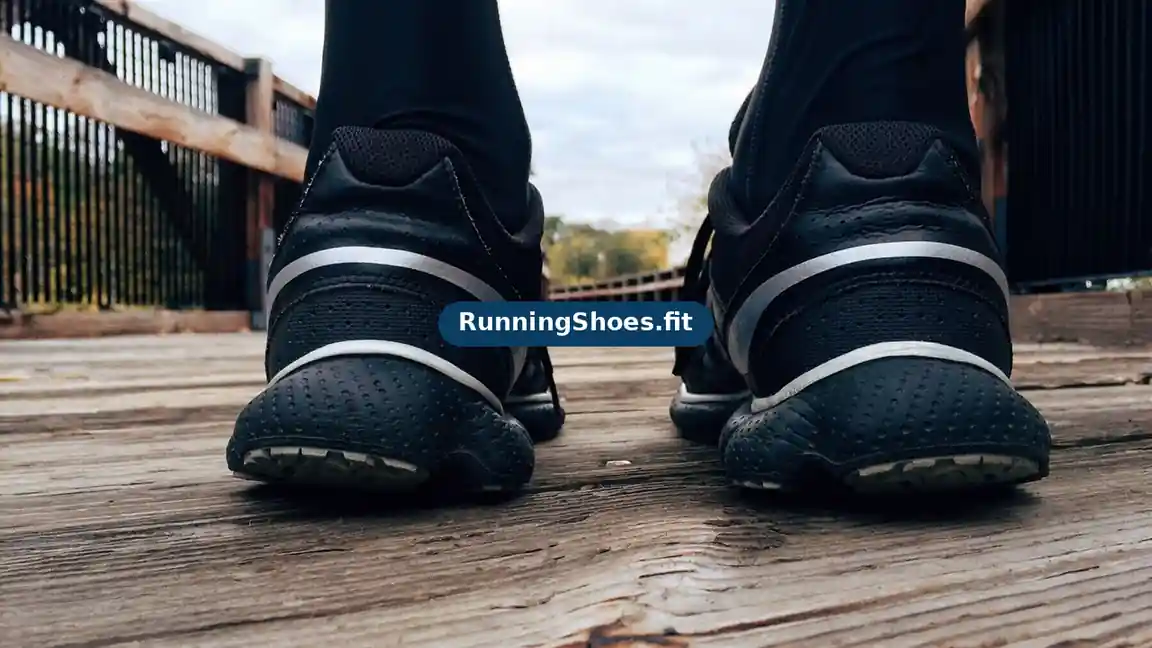

Turn over a well used pair of running shoes and the soles tell your gait story. If the wear runs down the outside edge while the inner edge looks almost new, you are looking at the signature of a supinator, the runner the shoe industry talks about least.
I am Muhammad, editor of RunningShoes.fit, and this guide covers the best running shoes for supination, also called underpronation. Our site explains overpronation in depth, so this is the other side of the coin: why supinators wear out the lateral edge of every shoe, and why the answer is cushion and flexibility rather than motion control.
What supination actually is
Pronation is the foot’s natural shock absorber: the arch lowers and the foot rolls slightly inward after landing, spreading the load. Supination is what happens when that inward roll barely happens, so the foot stays on its outer edge and pushes off through the smaller toes.
The lateral wear pattern gives it away
Check your current shoes first. Heavy wear along the outer heel and the outside of the forefoot, with the outsole sometimes worn at an angle, is the classic pattern, and it often pairs with high, stiff arches that do not flatten much under load.
Why supinators get hurt differently
A foot that does not pronate absorbs shock poorly, so impact concentrates on a small area of the outer foot and travels upward. The complaints that follow are familiar: rolled ankles, outer knee and IT band irritation, shin soreness, and stress on the small bones of the forefoot.
The Cleveland Clinic guide to pronation problems describes underpronation as the opposite pattern to overpronation, with the same advice at its core: the shoe has to match the way your foot actually moves, not the way a chart assumes it does.
What supinators need from a shoe
The shopping list is almost the reverse of the overpronation one. Look for neutral shoes with generous cushioning, especially under the heel and forefoot, a flexible forefoot that lets the foot roll through naturally, and enough outsole rubber on the lateral side to survive the wear pattern.
Avoid firm medial posts and aggressive stability features. Those devices exist to stop inward roll, and adding them to a foot that already rolls outward too little pushes the load even further onto the outer edge.
What to check before you buy
Check three things in the shop: a wide, stable base under the heel and forefoot, a forefoot that bends easily when you twist and fold the shoe, and generous rubber on the outer edge of the outsole, where your wear pattern hits hardest. A tall, soft shoe on a narrow base is a poor pick for a supinator, because the foot has even more edge to fall off. High arches often travel with supination, so compare these picks with our best running shoe for high arches guide, and read our heel drop explained guide if you are unsure whether an 8mm or 10mm drop suits your stride.
If you have been buying stability shoes out of habit, our guide to the best stability running shoes for overpronation explains what those features do, and why they are built for a different foot than yours.The best running shoes for supination
Best overall: Asics Gel-Nimbus 28
The Gel-Nimbus 28 is the safest recommendation for most supinators, replacing the Nimbus 27 in January 2026. Deep FF Blast Plus foam with a PureGEL insert in the heel softens exactly the spot where a supinating foot lands hardest, and the neutral platform adds no corrective hardware the foot does not need. It costs about $170, on a 43.5mm heel and 35.5mm forefoot stack with an 8mm drop, and it is about 20g lighter than the Nimbus 27. The Nimbus 27 is now the value buy, offering the same protective idea at a lower price when it goes on sale.
It runs on an 8mm drop at about $170, with a soft, secure upper that suits the high instep many high arched runners have. The ride is protective rather than lively, which is the right priority order when your own arches refuse to absorb shock for you.
Best plush pick: Saucony Triumph 24
The Triumph 24 is Saucony’s plush neutral flagship, built on new incrediLUX foam, a supercritical A-TPU compound that replaced the PWRRUN PB foam of the Triumph 23. For supinators whose outer forefoot takes a beating on long runs, that deep, forgiving forefoot cushioning is the whole point of the shoe. It costs about $170, on a 43mm heel and 33mm forefoot stack with a 10mm drop, at about 8.8 ounces. The foam is softer than the old one, so runners who want a firmer, more controlled ride may prefer the Nimbus, and the Triumph 23 is now the value buy.
At about $170, the same price as the Nimbus, it feels plusher step in. The trade off is a softer, less precise ride, so runners who like to feel the ground or pick up the pace often will be happier in the Nimbus or the next pick.
Best for wide feet: New Balance 1080 v15
The 1080 v15 gives supinators something the other two cannot: a full range of widths, from narrow to extra wide, on a soft neutral platform. A supinating foot that is also wide overloads the outer edge even more, so a shoe that spreads the load across a broader base helps twice over. The v15 uses new Infinion foam instead of the Fresh Foam X of the v14, at about $170 with a 6mm drop, and it feels softer at landing with more energy at toe off. The v14 is now the value buy for runners who liked that version.
The Infinion ride sits between the Nimbus and the Triumph in softness, on a moderate drop, at about $170. It is the most versatile shoe here, as happy on daily miles as on long runs, and it anchors our roundup of the best neutral running shoes for the same reasons it works for supinators.
| Shoe | Cushion style | Best for |
|---|---|---|
| Asics Gel-Nimbus 28 | Protective, GEL heel cushioning | Most supinators, hard heel landings |
| Saucony Triumph 24 | Plush incrediLUX foam | Maximum softness on long runs |
| New Balance 1080 v15 | Balanced Infinion foam, many widths | Wide feet and daily versatility |
How to confirm you supinate
Before you spend anything, run the simple checks. The worn shoe test described above is the quickest, and the wet footprint test adds evidence: a supinator’s print shows the heel and forefoot connected by only a thin outer strip, because the arch barely touches down.
The Kaiser Permanente pronation guide walks through the same home checks and explains how arch height influences the pattern. If the signs conflict, a gait analysis at a running store or a podiatrist visit beats guessing, and the fit checks in our guide on how running shoes should fit still apply whatever your gait.
Living with a supinating stride
Expect to replace shoes sooner than your pronating friends. The lateral outsole takes concentrated wear, and once that outer edge is worn at an angle, the shoe starts tipping you further outward, so retire pairs when the wear pattern gets extreme rather than when the upper dies.
Watch the outer heel first, since that is where the angle starts, then check the forefoot edge and the midsole for compression creases on the outside. A shoe that tips you further outward is past its best, even if the upper still looks new, and our guide on how many miles running shoes last explains the other signs to watch for. Build ankle strength with simple balance work, such as standing on one foot and slow calf raises, because stronger ankles roll less on uneven ground. If ankle sprains keep recurring, or forefoot pain and numbness do not settle, see a health professional in person rather than shopping for another shoe.
Ankle strength work is worth your time too, because a foot that lives on its outer edge rolls more easily on trails and uneven pavements. Pair the shoes with the high cushion picks in our roundup of the best cushioned running shoes for recovery days, and your stride has protection at every pace.
Mistakes supinators keep making
The most common mistake is buying support by default. Shoe marketing treats pronation as a problem to be corrected, so supinators get sold firm, posted shoes that fight a roll they never had, and the outer edge of the foot pays for it within a few hundred miles.
The second mistake is chasing the softest shoe in the store. Cushioning matters for this gait, but a very tall, very soft shoe with a narrow base gives a supinating foot even more edge to fall off, so look for width under the heel and forefoot as carefully as you look for foam depth.
Watch: are your feet pronated or supinated
This MoveU video shows how to check whether your feet roll inward or outward, using a mirror and the wear on your own shoes. Run the test before you buy, because the whole guide depends on the answer.
Frequently asked questions
Is supination the same as underpronation?
Yes, the two terms describe the same pattern: the foot rolls outward and does not pronate enough after landing. Supination is the movement name, underpronation is the gait description, and shoe advice uses them interchangeably.
Should supinators wear stability shoes?
Generally no. Stability shoes are built to resist inward roll, which is the opposite of a supinator’s problem, and their firm medial posts push load further onto the outer edge. Neutral, cushioned shoes are the right starting point.
What shoe features matter most for supination?
Cushioning under the heel and forefoot, a flexible forefoot, a neutral platform with no medial post, and durable rubber on the lateral outsole, where supinators wear shoes out fastest.
Do supinators need high arch insoles?
Not automatically. High arches and supination often travel together, but a cushioned neutral shoe is the first step. Add insoles only if a professional recommends them after checking your gait and injury history.
Can supination be corrected?
The gait pattern itself is largely structural, so the goal is management, not correction. The right shoes, ankle strength work, and sensible training loads keep most supinators running comfortably for years.
The bottom line
Start with the Gel-Nimbus 28 for protective all round cushioning, the Triumph 24 for maximum plushness, or the 1080 v15 if width is part of your problem. The rule underneath all three is simple: supinators need cushion and flexibility, not correction.
Check your old shoes before you shop, buy neutral, and retire the new pair when the outer edge wears down. Do those three things and the least discussed gait in running stops being a problem, because your shoes are finally working with your stride instead of quietly fighting it every single mile of every single run you take this year.
Medical disclaimer: this guide is general information only and is not medical advice. Recurring ankle sprains, forefoot pain, numbness, or stress symptoms linked to your gait should be assessed in person by a qualified health professional, who can check whether something beyond footwear is going on.