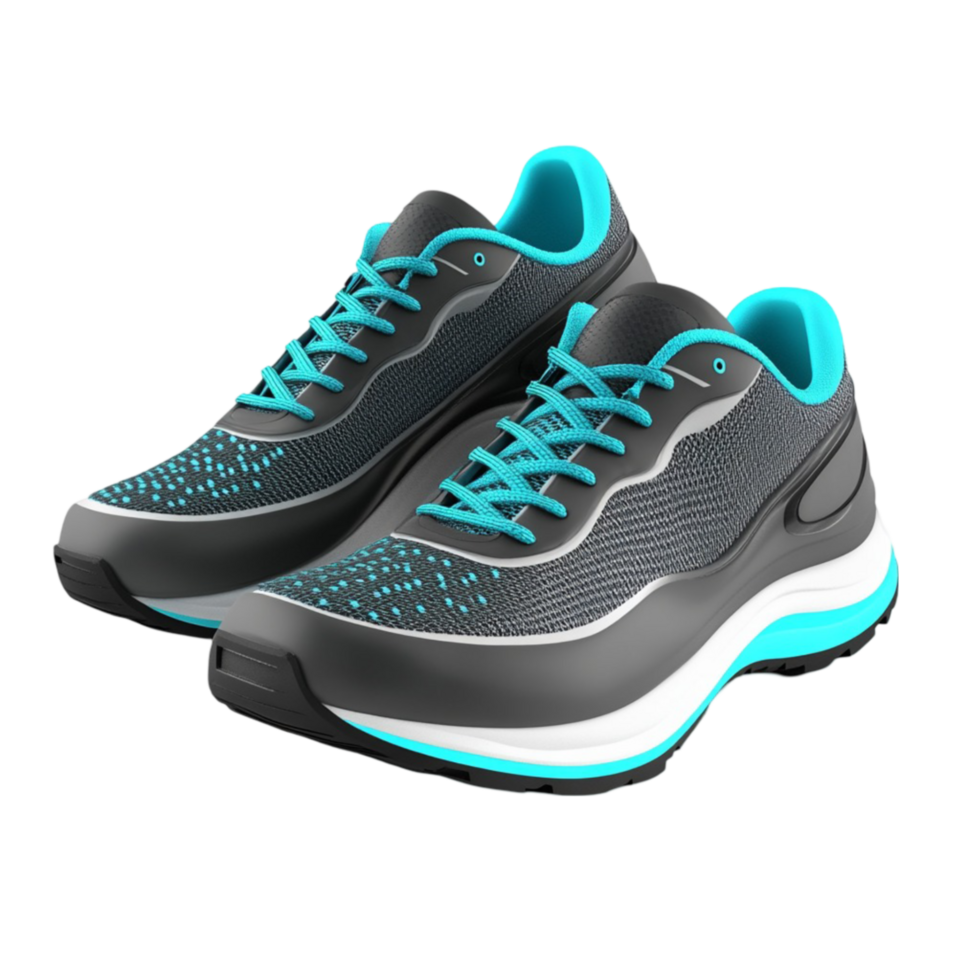
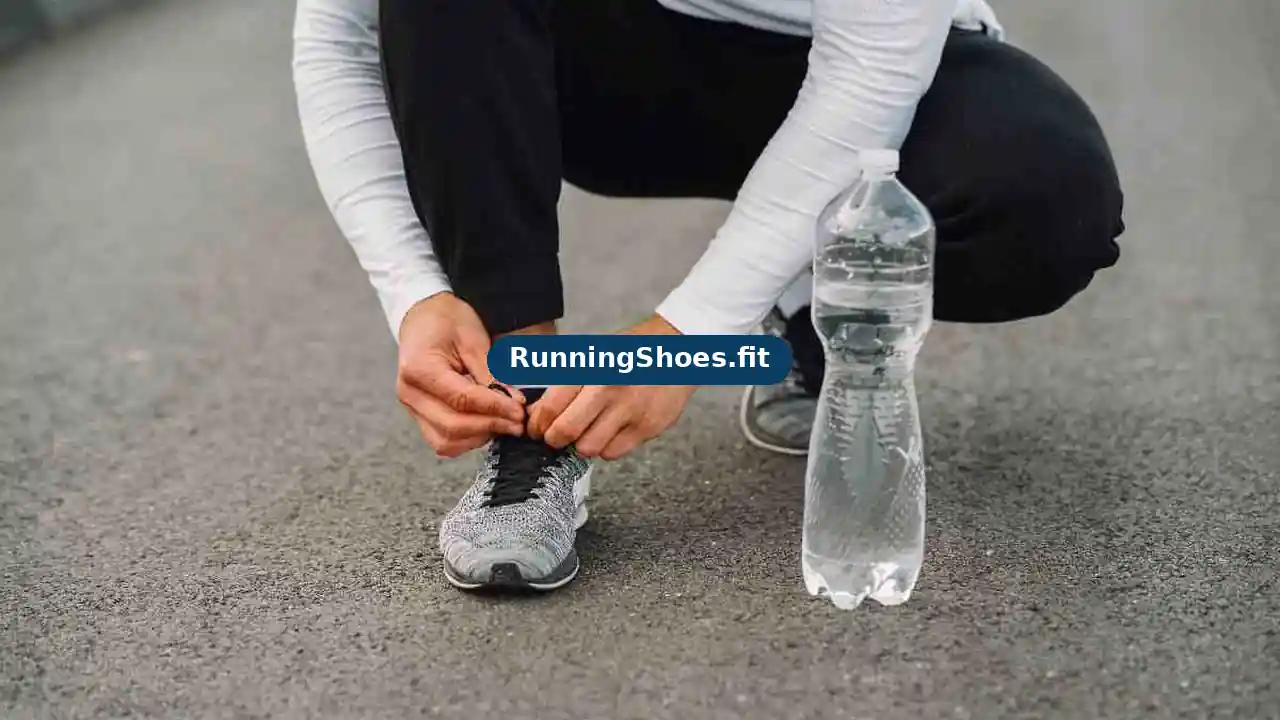

You do not need to spend a fortune to run well. Plenty of affordable shoes deliver the cushioning, support, and durability most runners actually need, and the best cheap running shoes prove it every day.
I am Muhammad, editor of RunningShoes.fit, and this guide cuts through the noise: what actually matters in a budget shoe, which brands deliver real value, and how to make cheap shoes last. Regular running is one of the best things you can do for your health, as the CDC physical activity guidelines explain, so the shoe should never be the barrier.
The myth that good shoes cost a fortune
For years, runners assumed price equaled quality. That is less true than ever. Better manufacturing and proven foam compounds mean solid running shoes now sell for a fraction of flagship prices.
Last year’s models and dedicated budget lines often share DNA with pricier siblings. The foam might be simpler and the upper less fancy, but the ride is honest. For most daily miles, that is plenty.
What actually matters in a budget shoe
Not all cheap shoes are equal. Here is where to focus your attention.
Cushioning and comfort
Decent cushioning is non-negotiable, even on a budget. Look for EVA or similar foams that absorb impact without feeling dead. You want protection, not a marshmallow.
Comfort is more than foam. A breathable mesh upper, a padded collar, and a tongue that stays put matter just as much on long runs. If it rubs in the store, it will destroy you at mile 10.
Support and stability
Know your feet. Neutral runners need a stable platform and cushioning, while overpronators need guidance: denser foam on the inside edge or a wider base. Many budget shoes include mild stability features that do the job. A quick wet test or a look at your old shoes’ wear patterns tells you a lot, and matching the shoe to your mechanics helps you avoid discomfort and injuries.
Durability
A cheap shoe that dies in a month is the most expensive shoe you can buy. Check the outsole for solid rubber in the heel and forefoot, not just exposed foam. Synthetic overlays and clean stitching hold up better than flimsy mesh, and the good budget models are built to survive hundreds of miles.
Fit
Fit is everything, whatever the price. Shop in the afternoon when your feet are slightly swollen, and leave a thumb’s width in front of your longest toe: heel locked, midfoot snug, toes free. Never compromise on fit to save money, because no discount fixes blisters and black toenails. Mayo Clinic Health System’s tips on choosing running shoes are worth a read before you buy.
Know your running before you shop
Road vs trail
Most affordable options are built for road running: smooth outsoles, straightforward cushioning, and light builds. If you run on pavement or a treadmill, that is exactly what you want. Trail on a budget is trickier, because you need lugs for grip and a tougher upper, so expect to pay a bit more or stick to mild trails.
Gait and arch type
Your gait is how your foot moves through a stride. Neutral means a slight inward roll and even push off; overpronation means excessive inward roll, common with flat arches; supination loads the outer edge and is common with high arches. A free gait check at a running store is the fastest way to know, or check the wear on your old shoes.
Brands that deliver real value
These companies consistently put solid tech in affordable shoes.
| Brand | Budget lines | Why it works |
|---|---|---|
| Saucony | Cohesion | Balanced cushioning, tough outsole |
| ASICS | GEL-Contend, Jolt | Real GEL shock absorption for less |
| New Balance | 410, 520 | Traditional fit, multiple widths |
| Brooks | Revel | Smooth ride, brand engineering |
Saucony
Saucony’s budget lines, like the Cohesion, are workhorses: balanced cushioning, tough outsoles, no drama. They borrow real tech from pricier models and just work, day after day.
ASICS
ASICS brings GEL cushioning downmarket in shoes like the GEL-Contend and Jolt. The build is simplified, but the shock absorption is real. It is a favourite for new runners who want comfort without the premium price.
New Balance
New Balance does value well. Models like the 410 and 520 offer a traditional fit, honest cushioning, and multiple widths, which is gold if standard sizes never quite fit. Quality stays consistent across the range.
Brooks
Brooks is known for premium shoes, but the Revel and similar entry models deliver the brand’s smooth ride at a friendlier price. They are well engineered, reliable, and built on real research.
Make them last
Clean and dry them right
Knock off dirt after runs; a damp cloth and mild soap handle most messes. Skip the washing machine and never use heat. Air dry at room temperature and stuff them with newspaper to hold the shape. For the full routine, see our guide on how to clean running shoes.
Store and rotate
Keep shoes cool, dry, and out of direct sun, because heat kills foam and glue. Rotate two pairs if you can: foam needs a day to rebound, and rotation noticeably extends each pair’s life. Do not wear your runners for everything else, since gym sessions and errands chew through outsoles fast.
When to replace them
Budget shoes last about as long as expensive ones: roughly 300 to 500 miles. Watch for worn smooth spots on the outsole, creased or compressed midsoles, tears in the upper, and a heel counter that collapses. The biggest signal is your body: new aches or a dead feeling underfoot mean the foam is done. Our guide on how long running shoes last covers this in detail.
Watch: budget shoes tested
This video puts genuinely cheap running shoes through training and racing paces. It is a good reality check on what budget money actually buys.
Finding the best prices
Smart shopping stretches a budget further. When a new version drops, last year’s model goes on sale: same shoe, often 30 to 40 percent off. End of season clearances and holiday sales are prime hunting ground.
Online often wins on price, while local stores win on fitting and gait checks, so get fitted locally and then compare. Brand outlets carry discontinued models and cosmetic seconds at deep discounts; inspect for real defects, but a scuffed box is pure savings.
Frequently asked questions
What is the real difference between cheap and expensive running shoes?
Expensive shoes use lighter, more responsive foams, carbon plates, and premium uppers. Cheap models share the same basic DNA but with simpler materials. For most beginners and casual runners, well-made budget shoes offer nearly all the benefit at a fraction of the cost.
Can cheap running shoes cause injuries?
Only if they fit poorly or do not match your gait. A well-fitting budget shoe that suits your foot type is far safer than an expensive model that is the wrong size or shape. Prioritise fit and support over price.
How long do cheap running shoes last?
With proper care, budget shoes can last hundreds of miles, often close to premium models. Durability depends on build quality, your running style, and how well you maintain them. Replace them when cushioning feels dead or you notice new aches.
Are last year’s models worth buying?
Yes, they are often the best value in running. When a new version releases, the previous model drops in price but the performance stays nearly identical. Just check the fit, because brands occasionally tweak sizing between versions.
What is the best way to save money on running shoes?
Buy discontinued models, shop clearance and outlet sales, and consider versatile shoes that handle daily training and races. Avoid buying a second, unnecessary pair just because it is cheap. One well-chosen pair beats two poor ones.
The bottom line
The lesson of every good budget shoe is simple: a cheap shoe that fits beats an expensive shoe that does not. Match it to your feet, care for it properly, and spend the savings on more miles.


Pingback: Best Running Shoes for Arch Pain in 2026: Top Picks
Pingback: Adidas Boost vs Nike React: Which Is Better?
Pingback: How to Choose Running Shoes for Everyday Runs
Pingback: Best Running Shoes to Buy in 2026: Top Picks for Runner
Pingback: How Long Do Running Shoes Last?
Pingback: Running Shoes vs Training Shoes: Key Differences Explained