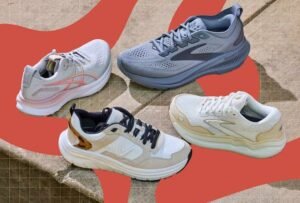

Living with diabetes does not mean giving up running. It does mean thinking harder about your shoes. For runners with diabetes, the right footwear is not just about comfort or speed; it is real protection for your feet.
I am Muhammad, editor of RunningShoes.fit, and this is one of the guides I take most seriously. The right shoes can lower your risk of ulcers, infections, and other serious foot problems, so this page walks through what matters, which features to demand, and how to shop with confidence.
Why diabetes changes the shoe equation
Diabetes can damage the nerves in your feet, a condition called neuropathy. When you cannot feel a blister forming or a seam rubbing, a small problem can grow unnoticed until it is a big one. The WHO diabetes fact sheet has the full picture if you want to read more.
Poor circulation is the other half of the problem. Less blood flow means slower healing, so even a minor cut can turn serious. The right shoe reduces the chance of those injuries happening in the first place, which is why footwear choices matter so much here.
What to look for
Diabetic friendly running shoes share a short list of protective features. If a shoe checks these boxes, it is worth trying on.
A wide toe box
Toes need room. A wide toe box stops pinching and rubbing against the front and sides of the shoe, which is where blisters usually start. If your toes touch the sides in the store, they will suffer by mile six, so read our wide feet guide if standard widths feel tight.
Seamless interiors
Even a small inner seam can chafe sensitive skin for an entire run. Look for smooth, seamless linings with no raised stitching around the toes or heel. Run your hand inside the shoe before you buy; your fingers will find what your feet might not feel.
Serious cushioning
Good cushioning spreads impact across the whole foot instead of hammering one spot. That even pressure distribution matters more for diabetic feet than for anyone else. Soft but supportive foam is the target.
Adjustable fit and breathable materials
Laces let you fine tune the fit as your feet change through the day. Feet swell, especially on longer runs, so a shoe that adjusts with you prevents pressure points from forming mid run. Mesh uppers help too, keeping feet cooler and drier, which lowers the risk of fungal infections.
Removable insoles
If you wear custom orthotics, you need a shoe that lets you swap the stock insole out. Deep, removable insoles make room for orthotics without squeezing your feet. For orthotic users, this one is non negotiable.
Our top picks
These three models combine the cushioning, room, and smooth interiors diabetic runners need. If you are training for a specific race distance, also read our guide to the best 5K and 10K running shoes.
Brooks Ghost
The Ghost keeps showing up on diabetic friendly lists for good reason. Its cushioning is balanced, the interior is smooth, and the fit accommodates a range of foot shapes. It is a dependable daily trainer that protects without feeling clunky.
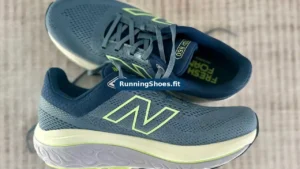
New Balance Fresh Foam X 880
The 880 pairs soft Fresh Foam cushioning with a roomy fit, and New Balance offers wide sizes across the range. That matters: a true wide option beats sizing up in a narrow shoe every time. The removable insole works well with orthotics too.
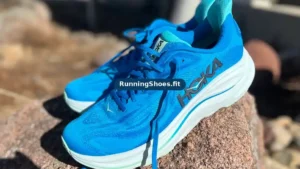
Hoka Clifton
The Clifton brings serious cushioning in a surprisingly light package. The thick midsole smooths out impact, and the wide base feels stable underfoot. Runners who want the softest ride on this list usually land here.
The three picks, side by side
| Shoe | Standout protection | Best for |
|---|---|---|
| Brooks Ghost | Smooth interior, balanced cushioning | A dependable all round daily trainer |
| New Balance Fresh Foam X 880 | True wide sizes, removable insole | Orthotic users and wider feet |
| Hoka Clifton | Thick cushioning, wide stable base | The softest ride |
Getting the fit right
Try shoes on in the afternoon or evening, when your feet are at their largest. Wear the socks you run in, and take a short jog around the store, not just a walk. Our guide on how running shoes should fit covers the details.
If you need extra arch support, factor that in during the fitting, not after; our guide to the best running shoes for arch pain covers the supportive options. And if you use orthotics, bring them to the store, because a shoe that fits without them may not fit with them.
Watch: shoes for sensitive feet
The video below covers the best shoes for foot neuropathy, with podiatrist approved picks. It is a helpful watch before you shop, especially if reduced feeling is part of your picture.
Taking care of your feet
Shoes are only half the job. Check your feet every day for redness, blisters, cuts, or colour changes, using a mirror for the soles or asking someone to help. Catching a problem early is everything.
Keep feet clean and dry, especially between the toes, and trim nails straight across to avoid ingrown edges. Never walk barefoot, even indoors. The NIDDK guide to diabetes and foot problems has the full checklist.
Your socks deserve the same attention as your shoes. Choose smooth, moisture managing running socks without thick seams across the toes, because a sock seam can rub exactly like a shoe seam. Change out of damp socks soon after a run rather than sitting in them.
Before every run, shake your shoes out and run a hand inside them. A small stone, a folded insole, or a rough patch you would never feel through neuropathy can still damage skin over a few miles. Ten seconds of checking prevents most of it.
See a podiatrist regularly. They can spot trouble early, handle nail care safely, and advise on shoes and orthotics for your specific feet. Call promptly if you notice persistent pain, numbness, sores, or skin changes.
Frequently asked questions
Why are specialised running shoes so important with diabetes?
Diabetes can cause neuropathy, which reduces feeling in the feet, and poor circulation, which slows healing. Protective shoes use wide toe boxes, seamless interiors, and extra cushioning to prevent the pressure points and friction that can lead to ulcers or infections.
What features should I prioritise?
Look for a wide toe box, seamless interiors, serious cushioning, adjustable closures, breathable materials, and removable insoles. Together these features reduce rubbing, manage moisture, and make room for orthotics.
Can I use my regular running shoes if I have diabetes?
It is not recommended if you have neuropathy or other foot complications. Standard shoes often lack the protective features diabetic feet need, and unnoticed rubbing can turn into serious wounds. A podiatrist can advise what is safe for your feet.
How often should I replace running shoes with diabetes?
Every 300 to 500 miles, or every 6 to 12 months, whichever comes first. Cushioning and support break down over time, and worn shoes protect less. Check your shoes regularly for wear.
Should I see a podiatrist before starting to run with diabetes?
Yes, it is a smart first step. A podiatrist can assess your feet, recommend shoes or orthotics, and help you start safely. This matters most if you already have neuropathy, circulation problems, or past foot injuries.
The bottom line
The best running shoes for diabetic feet follow one rule: protection first, performance second. Prioritise a wide toe box, seamless interiors, and real cushioning, then keep up daily foot checks and regular podiatrist visits.
Do that, and running stays on the menu for years. For everyday training options, see our guide to choosing running shoes for daily runs.
Please note: this guide is general information only and is not medical advice. Talk to your podiatrist or doctor about what is right for your feet.