
Experiencing foot pain, shin splints, or knee discomfort while running can quickly derail your fitness goals. Often, the root cause lies in inadequate footwear, particularly a lack of proper arch support. Finding the right pair of running shoes is paramount for protecting your feet and body, helping you maintain comfort and prevent injuries on every stride.
Fortunately, the market offers a fantastic array of options designed to provide targeted support. This comprehensive guide will help you understand why arch support is crucial and how to identify the best running shoes with arch support tailored to your unique needs, ensuring a more enjoyable and injury-free running experience.
The Crucial Role of Arch Support in Running
Your feet are complex structures, each containing 26 bones, 33 joints, and over 100 muscles, tendons, and ligaments. The arches of your feet play a vital role in distributing body weight, absorbing shock, and adapting to various surfaces.
When you run, your feet endure significant impact forces, often two to three times your body weight. Proper arch support helps to manage these forces, preventing excessive pronation (inward rolling of the foot) or supination (outward rolling).
Understanding Pronation and Arch Types
Pronation is the natural inward rolling motion of your foot during impact, a critical shock-absorbing mechanism. However, issues arise when pronation is either excessive (overpronation) or insufficient (supination).
Your arch height directly influences your pronation pattern. Generally, there are three primary arch types:
- Low Arches/Flat Feet: Individuals with low arches often overpronate. Their feet tend to roll excessively inward, which can lead to issues like plantar fasciitis, bunions, and knee pain.
- Neutral Arches: These arches exhibit a balanced pronation, distributing impact evenly. Runners with neutral arches typically have fewer biomechanical issues, but still benefit from supportive shoes.
- High Arches: High-arched feet often supinate or underpronate, meaning they don’t roll inward enough. This can lead to inefficient shock absorption, placing more stress on the outer edges of the feet and lower legs.
Identifying your arch type and pronation pattern is the first step toward selecting running shoes that provide optimal arch support and stability.
Identifying Your Foot Arch and Pronation Type
Before investing in new running footwear, it’s essential to understand your foot mechanics. There are a few simple ways to assess your arch and pronation.
The Wet Test
The wet test is a common at-home method. Simply wet the bottom of your foot and step onto a piece of paper or cardboard. The imprint left behind will give you a good indication of your arch type.
- Flat Foot: A nearly complete imprint of your foot, showing very little or no inward curve.
- Neutral Arch: A clear imprint with a noticeable curve along the inside of your foot, about half the width of your foot.
- High Arch: A very thin imprint, showing only your heel, the ball of your foot, and your toes, with a significant gap in the middle.
Observing Wear Patterns on Old Shoes
Examine the soles of your old running shoes. The wear pattern can reveal your pronation tendencies.
- Overpronator: Heavy wear on the inside edge of the sole, especially under the ball of the foot and the heel.
- Supinator (Underpronator): Significant wear on the outer edge of the sole, from the heel to the little toe side.
- Neutral Pronator: Even wear across the ball of the foot and a slightly lateral (outer) heel wear pattern.
For a more precise analysis, consider visiting a specialized running store. They often have trained staff who can perform gait analysis, observing your foot strike and pronation while you run on a treadmill. Consequently, this professional assessment can lead to highly personalized recommendations.
Key Technologies and Features for Superior Arch Support
Running shoe manufacturers employ various technologies to deliver effective arch support. Understanding these features will help you navigate the options available.
Stability Shoes
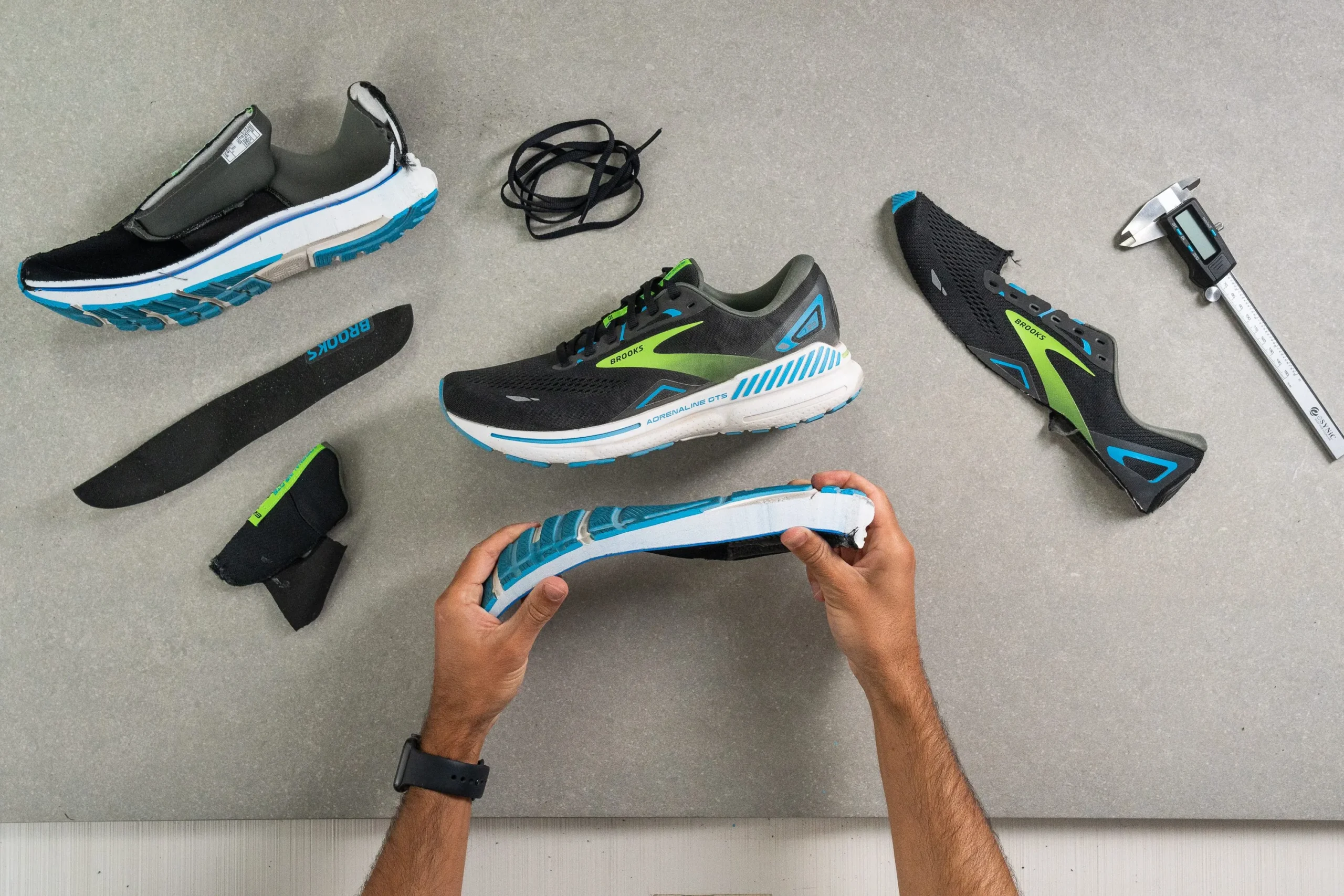
Stability shoes are designed for runners who overpronate. They feature a firmer foam or “medial post” on the inner side of the midsole, which helps to prevent the foot from rolling too far inward. Furthermore, they often incorporate guide rails or other structural elements to provide subtle support without being overly rigid.
Motion Control Shoes
For severe overpronators or runners with very flat feet, motion control shoes offer maximum stability. These shoes are typically heavier and more rigid than stability shoes, featuring extensive medial posts and broader bases to control pronation aggressively. They are built to provide robust support and limit excessive foot movement.
Cushioning and Midsole Materials
While arch support is crucial, adequate cushioning works in tandem to absorb impact. Many shoes with excellent arch support also incorporate responsive cushioning technologies, such as EVA, PU, or proprietary foams like Boost, Gel, or DNA Loft. These materials provide comfort and energy return while maintaining the necessary structural integrity.
Outsole Design
The outsole, the bottom layer of the shoe, contributes to stability and traction. Shoes designed for arch support often feature durable rubber compounds and specific tread patterns that enhance grip and provide a stable platform for your foot.
Finding Your Perfect Pair: Factors to Consider
Choosing the right running shoes requires more than just knowing your arch type. Several other factors play a significant role in finding your ideal match.
Fit and Comfort
The most crucial factor is how the shoe feels on your foot. A shoe might have all the right technologies, but if it’s not comfortable, it won’t work for you. Always try on shoes towards the end of the day when your feet are slightly swollen. Ensure there’s a thumb’s width between your longest toe and the end of the shoe.
The fit around your midfoot and heel should feel secure without being overly tight. Pay attention to any pressure points or rubbing.
Running Surface and Distance
Consider where and how far you typically run. Road running shoes are designed for pavement and offer more cushioning, while trail running shoes provide better traction and protection for uneven terrain. If you run long distances, you might prioritize more cushioning and durable support.
Weight and Flexibility
Heavier runners or those needing maximum support might prefer more robust, slightly heavier shoes. Lighter runners or those who prefer a more natural feel might opt for lighter stability options. Flexibility is also important; a shoe should flex where your foot naturally bends, at the ball of your foot, not in the middle.
Top Categories of Running Shoes for Arch Support
While specific models change annually, understanding the types of shoes that excel in providing arch support will help your search.
Stability and Motion Control Shoes
These categories are explicitly engineered for runners needing significant arch support due to overpronation. Brands like Brooks, Saucony, ASICS, and New Balance consistently offer excellent options in this segment.
For instance, many popular stability models feature a dynamic support system or guide rails that adapt to your foot’s movement, providing support only when needed. This prevents excessive inward rolling without feeling overly prescriptive. Consequently, they offer a balanced blend of cushioning and structured support.
Neutral Shoes with Supportive Insoles
While dedicated stability shoes are often the go-to, some neutral shoes can be enhanced with aftermarket insoles. This option is suitable for runners with neutral arches who desire additional comfort or for those with high arches who need more cushioning without motion control features. However, it’s essential to choose insoles specifically designed for running and arch support.
It is important to note that adding an insole to a stability shoe might sometimes be counterproductive, potentially altering the shoe’s intended support structure. Therefore, this approach is best for neutral shoes.
Also Read: How Should Running Shoes Fit? A Complete Guide
Maintaining Your Running Shoes for Longevity
Even the best running shoes with arch support won’t last forever, but proper care can extend their lifespan and effectiveness.
- Air Them Out: After each run, remove the insoles and allow your shoes to air dry completely. This prevents bacterial growth and odor.
- Clean Gently: If your shoes get dirty, clean them with a soft brush, mild soap, and water. Avoid machine washing or drying, as this can damage the materials.
- Rotate Pairs: If possible, rotate between two or more pairs of running shoes. This allows the cushioning and support systems to fully decompress and recover between runs, extending the life of each pair.
Most running shoes are designed to last between 300 to 500 miles, or roughly 4 to 6 months for a regular runner. However, factors like your weight, running style, and terrain can influence this timeframe. Pay attention to signs of wear, such as decreased cushioning, uneven sole wear, or new aches and pains, which indicate it’s time for a replacement.
How do I know if I need running shoes with arch support?
You likely need running shoes with arch support if you experience foot pain, shin splints, knee pain, or lower back discomfort while running. Furthermore, if you have flat feet or overpronate (your feet roll excessively inward), supportive shoes are highly recommended. A simple wet test or gait analysis at a running store can help identify your arch type and pronation pattern, confirming your need for specific support.
Can I just use insoles for arch support instead of special shoes?
While insoles can provide additional arch support, they are generally best used to supplement neutral shoes or to fine-tune the fit of a shoe that’s almost right. Dedicated stability or motion control running shoes are specifically engineered with integrated support systems in their midsoles, which often provide more comprehensive and stable support than insoles alone. For significant pronation issues, a purpose-built shoe is usually more effective. Consult a podiatrist for personalized advice on orthotics if needed. Learn more about custom orthotics from Mayo Clinic.
What is the difference between stability and motion control running shoes?
Both stability and motion control shoes offer arch support and help control pronation, but to different degrees. Stability shoes are for mild to moderate overpronators, featuring a medial post or guide rails for subtle support and guidance. Motion control shoes, however, are designed for severe overpronators or those with very flat feet, providing maximum rigidity, extensive support, and a broader base to aggressively limit inward rolling. Therefore, motion control shoes are typically heavier and less flexible.
How often should I replace my running shoes with arch support?
Most running shoes, including those with arch support, should be replaced every 300 to 500 miles, or approximately every 4 to 6 months for regular runners. This timeframe can vary based on your weight, running style, and the surfaces you run on. Pay attention to signs of wear, such as flattened cushioning, worn-out tread, or new aches and pains, which indicate the support and shock absorption have diminished. Research on footwear and running injuries emphasizes the importance of shoe replacement.
Can running in shoes without proper arch support cause injuries?
Yes, running without adequate arch support can significantly increase your risk of various injuries. Insufficient support can lead to excessive pronation or supination, placing undue stress on your feet, ankles, knees, hips, and even your lower back. Common issues include plantar fasciitis, shin splints, Achilles tendonitis, runner’s knee, and stress fractures. Choosing the right supportive footwear is a crucial preventative measure for maintaining musculoskeletal health. The American College of Sports Medicine offers insights into running shoe selection and injury prevention.
Conclusion
Investing in the best running shoes with arch support is one of the smartest decisions you can make for your running journey. It’s not merely about comfort; it’s about safeguarding your body from the repetitive stress of running and ensuring long-term health and performance. By understanding your unique foot mechanics and the specific features that provide effective support, you can confidently select footwear that truly meets your needs.
Remember to prioritize fit and comfort above all else, and don’t hesitate to seek professional advice from a running specialist or podiatrist. With the right pair of supportive running shoes, you’ll be well-equipped to tackle miles with greater comfort, reduced injury risk, and enhanced enjoyment. The American Podiatric Medical Association provides further resources on choosing proper footwear.