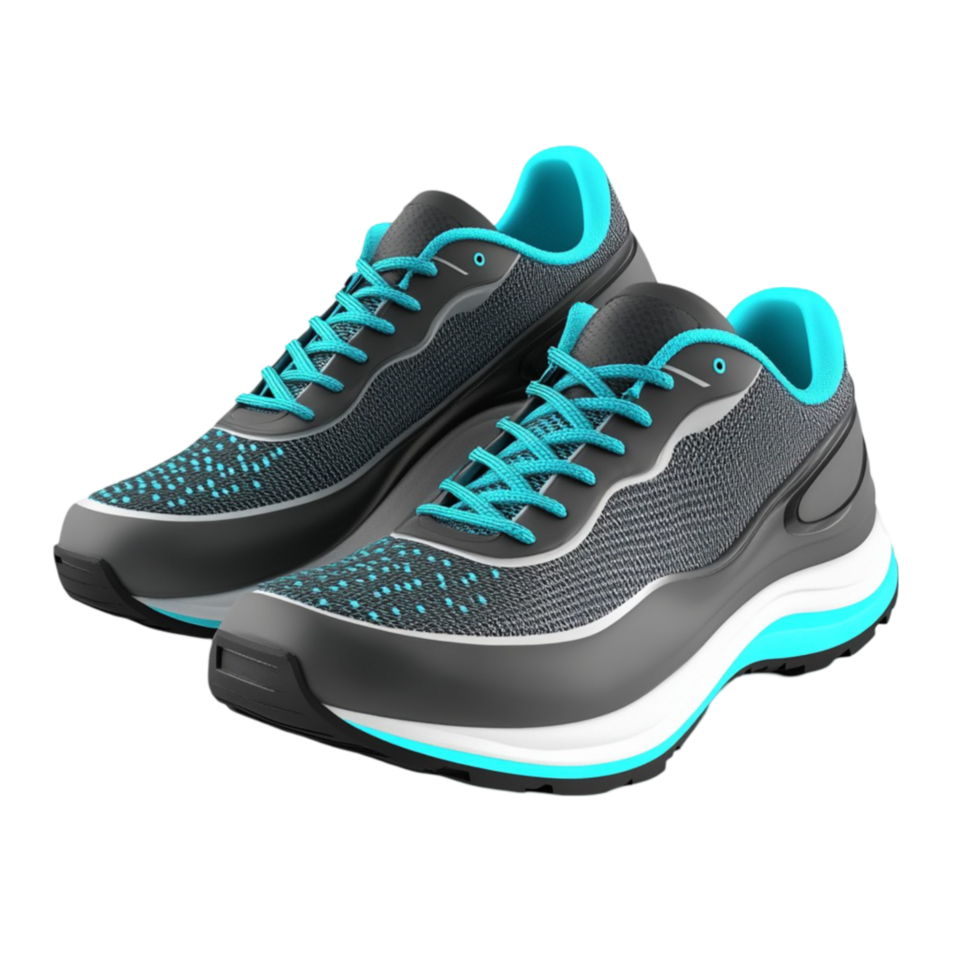

Choosing the perfect pair of running shoes can feel overwhelming, especially with the vast array of options available today. Every runner, from the casual jogger to the marathon enthusiast, seeks footwear that offers the ideal blend of comfort, support, and performance. This comprehensive guide cuts through the noise, helping you identify the Top Rated Running Shoes Worth Buying that genuinely live up to their reputation, ensuring your investment enhances every stride.
Investing in high-quality running shoes is crucial for preventing injuries, improving your running efficiency, and making your runs more enjoyable. We’ll delve into what makes a running shoe truly stand out, examining key features and recommending specific models that consistently receive top marks from experts and runners alike. Therefore, understanding your individual needs is the first step towards making an informed decision.
Understanding Your Running Needs Before You Buy
Before you even consider specific models, it’s essential to evaluate your personal running style and requirements. Every runner is unique, and what works for one person might not be suitable for another. Taking the time to assess these factors will narrow down your options significantly.
Analyzing Your Gait and Foot Type
Your gait, or the way your foot moves through the running cycle, is a primary determinant in shoe selection. Generally, runners fall into three categories: neutral, overpronator, or supinator. Understanding your foot arch and how it impacts your stride is vital for choosing the correct support type.

Neutral runners have a normal arch and their foot rolls naturally inwards to absorb impact. They typically benefit from neutral shoes that offer cushioning without excessive motion control. Conversely, overpronators, whose feet roll excessively inward, require stability or motion control shoes to prevent common injuries. Supinators, whose feet roll outwards, usually need highly cushioned neutral shoes to absorb shock. Consulting a running specialist or a physical therapist for a professional gait analysis can provide invaluable insights into your specific needs. The American Podiatric Medical Association offers resources on foot health and proper footwear selection.
Considering Running Terrain and Distance
The surfaces you run on and the distances you cover also play a significant role in shoe choice. Road running shoes are designed for pavement and track, offering ample cushioning and a smooth ride. They prioritize shock absorption and flexibility for repetitive impacts on hard surfaces.
Trail running shoes, however, feature more aggressive outsoles for superior grip on uneven terrain, along with reinforced uppers for protection against rocks and debris. Furthermore, their midsoles are often firmer to provide better ground feel and stability on unpredictable paths. For those who primarily run short distances, lighter, more responsive shoes might be preferred, while long-distance runners often prioritize maximum cushioning and durability for sustained comfort.
Prioritizing Cushioning and Support
The level of cushioning and support you need directly impacts your comfort and injury prevention. Cushioning refers to the softness and shock absorption provided by the midsole material. Maximalist shoes offer abundant cushioning for ultimate comfort and impact protection, ideal for long runs or recovery days.
Minimalist shoes, on the other hand, provide less cushioning, aiming for a more natural foot strike and ground feel. Support, distinct from cushioning, addresses how the shoe controls foot motion. Stability shoes incorporate features like medial posts or guide rails to reduce excessive pronation, while neutral shoes allow for natural foot movement without interference. Therefore, matching these elements to your biomechanics and running goals is paramount.
The Hallmarks of Top-Rated Running Shoes
What sets certain running shoes apart from the rest? It often comes down to innovative technologies, meticulous design, and a deep understanding of biomechanics. These are the core elements that define truly exceptional footwear.
Advanced Midsole Technologies
The midsole is the heart of a running shoe, responsible for cushioning, energy return, and stability. Leading brands continually develop proprietary foam compounds and structural designs to optimize these properties. For instance, Nike’s ZoomX foam offers incredible energy return, making it popular for race-day shoes.
Brooks utilizes DNA LOFT, a soft yet durable cushioning, while Hoka is renowned for its thick, protective midsoles like PROFLY™. These advanced materials are engineered to absorb impact effectively, provide a responsive feel, and maintain their performance over many miles. Consequently, the right midsole technology can significantly enhance your running experience.
Superior Outsole Durability and Grip
The outsole, the bottom layer of the shoe, dictates traction and durability. Top-rated shoes feature high-quality rubber compounds strategically placed in high-wear areas to withstand abrasion and provide reliable grip across various surfaces. Carbon rubber is often used for its exceptional durability, while blown rubber offers better cushioning and flexibility.
The lug pattern and depth also vary depending on the shoe’s intended use; deeper, multi-directional lugs are characteristic of trail shoes for maximum traction on loose terrain, whereas flatter, more segmented patterns are common in road shoes for smooth transitions. Research on footwear design often highlights the importance of outsole properties in performance and injury prevention.
Breathable and Adaptive Uppers
The upper part of a running shoe holds your foot securely and comfortably. Modern top-rated shoes utilize engineered mesh, knit materials, or synthetic fabrics that are lightweight, highly breathable, and adaptive. These materials conform to the foot’s shape, reducing irritation and hot spots.
Furthermore, innovative lacing systems and internal structures contribute to a secure, locked-down fit without restricting natural foot movement. Many uppers also incorporate reflective elements for visibility in low light conditions, adding a layer of safety for runners. A well-designed upper ensures comfort, prevents blisters, and helps regulate foot temperature during your runs.
The Importance of Proper Fit
Even the most technologically advanced shoe is useless if it doesn’t fit correctly. A proper fit ensures comfort, prevents blisters, and allows the shoe’s features to function as intended. There should be about a thumb’s width of space between your longest toe and the end of the shoe.
The midfoot should feel snug but not tight, and your heel should remain secure without slipping. Always try on shoes at the end of the day when your feet are slightly swollen, and wear the type of socks you typically run in. Remember that shoe sizes can vary between brands, so always rely on how the shoe feels on your foot rather than just the number on the box.
Top Rated Running Shoes Worth Buying: Our Expert Picks
Navigating the sheer volume of running shoe options can be daunting. To simplify your search, we’ve curated a list of consistently top-rated models across various categories, highlighting why they stand out and which type of runner they best serve. These selections represent the pinnacle of current running shoe technology and design, making them truly worth your investment.
Best for Everyday Training: Brooks Ghost 15 & Hoka Clifton 9
For daily miles, runners need a shoe that offers reliable cushioning, durability, and a smooth ride. The **Brooks Ghost 15** is a perennial favorite, celebrated for its balanced cushioning (DNA LOFT) that feels soft without being overly plush. It provides a consistent, comfortable experience for most foot types and is an excellent choice for neutral runners seeking a workhorse shoe.
Similarly, the **Hoka Clifton 9** continues Hoka’s legacy of maximalist cushioning in a surprisingly lightweight package. Its ample stack height absorbs impact exceptionally well, making it ideal for long runs and recovery days. Both shoes offer versatility for various paces and distances, making them superb options for everyday training and a wise purchase for any runner.
Best for Speed and Race Day: Nike Vaporfly 3 & Saucony Endorphin Pro 3
When speed is the objective, these shoes deliver. The **Nike Vaporfly 3** is a revolutionary carbon-plated shoe known for its ZoomX foam and propulsive feel. It’s engineered to maximize energy return and efficiency, helping runners shave seconds off their personal bests. This shoe is a top choice for competitive runners looking for an edge on race day.
The **Saucony Endorphin Pro 3** also features a carbon fiber plate and PWRRUN PB cushioning, delivering a highly responsive and fast ride. Its SPEEDROLL technology promotes a forward-rolling motion, encouraging quicker transitions. Both models are designed for optimal performance during races and fast training efforts, justifying their premium price with tangible speed benefits. Runner’s World frequently reviews and rates these high-performance shoes.
Best for Stability: Brooks Adrenaline GTS 23 & Saucony Guide 16
Runners who overpronate require shoes that provide reliable support without feeling overly rigid. The **Brooks Adrenaline GTS 23** employs GuideRails® support technology, which guides the foot and knee into alignment, rather than simply correcting pronation. This holistic approach offers adaptive support for a wide range of runners.
The **Saucony Guide 16** offers a balanced approach to stability with its PWRRUN cushioning and a subtle medial post, providing gentle guidance for overpronators. Both shoes strike an excellent balance between cushioning and support, making them comfortable and effective for daily training for those who need extra stability. They are consistently lauded for their ability to provide a secure and stable ride.
Best for Trail Running: Salomon Speedcross 6 & Hoka Speedgoat 5
Tackling technical trails demands shoes with exceptional grip, protection, and durability. The **Salomon Speedcross 6** is legendary for its aggressive Contagrip® outsole, featuring deep, multi-directional lugs that provide unparalleled traction on soft, muddy, and technical terrain. Its protective upper and precise fit make it a go-to for challenging trail conditions.
The **Hoka Speedgoat 5**, named after ultrarunner Karl Meltzer, is designed for long distances on varied terrain. It combines Hoka’s signature maximalist cushioning with a Vibram Megagrip outsole for excellent traction and durability. This shoe offers a comfortable yet secure ride, making it perfect for trail runners seeking cushioning and confidence on rugged paths. Both are indispensable tools for serious off-road adventures.
Best for Maximum Cushioning: Hoka Bondi 8 & New Balance Fresh Foam X More v4
For runners prioritizing plush comfort and maximum shock absorption, these models stand out. The **Hoka Bondi 8** is Hoka’s most cushioned road shoe, offering an incredibly soft and protective ride. Its expansive stack height and engineered mesh upper provide unparalleled comfort, making it ideal for recovery runs, long distances, or runners who simply crave a cloud-like feel underfoot.
The **New Balance Fresh Foam X More v4** also delivers an enormous amount of Fresh Foam X cushioning, providing a supremely soft and bouncy experience. It’s designed to absorb impact efficiently, reducing fatigue over long miles. Both shoes are excellent choices for runners seeking the ultimate in comfort and protection, ensuring a smooth and gentle ride mile after mile.
Maximizing the Lifespan of Your Running Shoes
Even the most expensive, top-rated running shoes won’t last forever. However, with proper care and timely replacement, you can ensure you get the most out of your investment and maintain optimal performance and injury protection. Understanding these aspects is crucial for any dedicated runner.
Proper Care and Maintenance
Taking good care of your running shoes can significantly extend their lifespan. After each run, remove any mud or debris from the outsole and allow them to air dry naturally. Avoid direct heat sources like radiators or direct sunlight, as this can degrade the midsole materials and adhesives. Do not machine wash your running shoes, as this can damage their structural integrity and cushioning properties.
Instead, gently hand wash them with mild soap and water if they become excessively dirty. Store them in a cool, dry place away from extreme temperatures. Furthermore, rotating between two or more pairs of shoes can also help extend the life of each pair, allowing the cushioning to fully decompress and recover between runs.
Knowing When to Replace Them
Running shoes generally last between 300 to 500 miles, or about 4 to 6 months for regular runners. However, this is just a guideline, and the actual lifespan can vary based on your weight, running style, and the terrain you run on. Pay attention to the signs of wear that indicate it’s time for a new pair.
Visible signs include worn-down outsoles, especially in high-impact areas, and creases or compaction in the midsole foam. More importantly, listen to your body: increased aches, pains, or the resurgence of old injuries after a run are strong indicators that your shoes have lost their cushioning and support. Replacing shoes proactively can prevent discomfort and potential injuries, ensuring your running remains enjoyable and safe.
How do I know my running shoes fit correctly?
A proper fit means having about a thumb’s width of space between your longest toe and the end of the shoe. Your midfoot should feel secure without being cramped, and your heel should not slip excessively. Always try on shoes with the type of socks you typically wear for running, and ideally, at the end of the day when your feet are slightly swollen, to ensure maximum comfort during your runs.
Are expensive running shoes always better?
Not necessarily. While higher-priced shoes often incorporate advanced technologies and premium materials, the “best” shoe is ultimately the one that fits your foot type, gait, and running needs most effectively. A moderately priced shoe that perfectly suits your biomechanics will always outperform an expensive shoe that doesn’t. Focus on fit and function over price tag alone.
Should I rotate my running shoes?
Yes, rotating running shoes is highly recommended. It allows the cushioning in each pair to fully decompress and recover between runs, extending their overall lifespan. Furthermore, different shoes can be optimized for different types of runs (e.g., a cushioned shoe for long runs, a lighter shoe for speed work), providing varied benefits and reducing repetitive stress on your feet and legs.
How do I clean my running shoes without damaging them?
To clean your running shoes, avoid machine washing. Instead, remove the laces and insoles, then gently brush off loose dirt with a soft brush. Mix a small amount of mild soap with water and use a cloth or sponge to gently scrub the upper and midsole. Rinse with a clean, damp cloth and allow them to air dry completely at room temperature, away from direct heat or sunlight.
What is the difference between stability and neutral running shoes?
Neutral running shoes are designed for runners with a normal gait who don’t overpronate (their foot rolls inward excessively). They provide cushioning and flexibility without additional motion control features. Stability shoes, conversely, incorporate features like medial posts or guide rails to help control excessive inward rolling of the foot (overpronation), offering extra support to keep the foot aligned during the stride.
Conclusion
Finding the **Top Rated Running Shoes Worth Buying** is an investment in your running journey, offering enhanced comfort, performance, and crucial injury prevention. By understanding your unique needs—considering your gait, foot type, preferred terrain, and distance—you can make a highly informed decision.
The market offers an incredible array of innovative footwear, from everyday trainers like the Brooks Ghost to race-day rockets such as the Nike Vaporfly. Ultimately, the best running shoe is a personal choice that harmonizes with your body and running goals. Prioritize fit, research models within your specific category, and remember that consistent care will help maximize the lifespan and effectiveness of your chosen pair. Lace up with confidence, knowing you’ve selected footwear that truly supports every step of your running adventure.
Pingback: Nike or Adidas? Best Running Shoes for Arch Support