
Finding the best running shoes for heavy runners starts with physics. Running puts two to three times your body weight through your shoes with every step, so if you are a heavier runner, your shoes simply work harder than most.
I am Muhammad, editor of RunningShoes.fit, and this guide is for runners who need more from their shoes. More force means more cushioning, more support, and a more durable build, and the models below are the ones that hold up and still feel good at mile ten.
What heavier runners should look for
Cushioning comes first. You need a thick, resilient midsole that does not bottom out under load, so look for a high stack height and foams that stay springy, traits shared by all the best cushioned running shoes.
Support matters too. Heavier runners often overpronate, where the foot rolls inward on landing, and a stability shoe or a supportive neutral shoe keeps your gait aligned, while runners with flat feet should also see our guide to the best shoes for flat feet.
Durability is non negotiable. Outsoles wear through faster under higher loads, so look for full length rubber and reinforced uppers, and accept that a shoe that lasts 400 miles for a light runner might last 300 for you.
Fit is critical as well. Feet swell on long runs and need room, so leave a thumb width in front of your longest toe, and if you need extra width, check our best running shoes for wide feet guide before you buy.
The picks that hold up
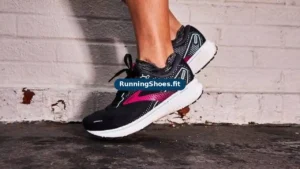
Brooks Beast 20: maximum support
The Brooks Beast is the benchmark for supportive daily trainers. It is built for runners who overpronate and need serious guidance, and the GuideRails system keeps your knees and hips aligned without feeling intrusive.
The midsole is firm and durable rather than soft and bouncy, and it holds up mile after mile. The fit is generous, with a wide platform that feels planted and secure, and Brooks offers multiple widths, which is a huge plus.
If you overpronate and want the most support available, start here. See the range at Brooks official site to compare current versions and widths.
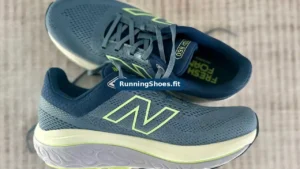
New Balance 1080: cushioned neutral
The New Balance 1080 is a plush neutral trainer with a soft, forgiving ride. The Fresh Foam X midsole absorbs impact beautifully, which makes it a favourite for easy miles and long runs.
For heavier runners with a neutral gait, the 1080 is excellent. The cushioning does not bottom out, the upper is accommodating, and New Balance offers wide sizes, although it is not a stability shoe, so significant overpronators should look elsewhere.
Explore the range at New Balance running if you want to compare widths and colours. For neutral runners who want maximum comfort, this delivers.
Hoka Bondi: maximal cushioning
The Hoka Bondi is the most cushioned shoe in this roundup. The thick midsole and rocker geometry create a smooth, protective ride that feels like running on pillows, in the best possible way.
Heavier runners love the Bondi for the sheer amount of foam underfoot, and the meta rocker helps you roll through your stride efficiently. It is not a fast shoe, but it is incredibly comfortable for easy miles, and wide footed runners should try the wide version because it runs a bit narrow.
Find it at REI Hoka collection if you want to try sizes in person. For maximal protection underfoot, it is hard to beat.
ASICS Gel-Kayano: trusted stability
The Gel-Kayano has been the go to stability shoe for decades. It combines Gel cushioning with a supportive midsole for overpronators, and the fit is refined with excellent build quality.
For heavier runners who need guidance, the Kayano is a safe and reliable choice. It is not the softest or the lightest shoe here, but it does everything well and the durability is outstanding, which matters when you are putting in the miles.
If you have worn Kayanos before, the latest version will feel familiar. ASICS has refined it over many years, and it shows in the steady, trustworthy ride.
Saucony Triumph: soft and smooth
The Saucony Triumph is a premium neutral trainer with a soft, responsive foam. The ride is smooth and the upper is comfortable from the first wear, which makes it a joy for easy days.
Heavier neutral runners will appreciate the cushioning, because the Triumph holds up well and does not pack out quickly. The fit is true to size with a comfortable, secure heel, so it suits daily training and long runs alike.
| Model | Type | Best for |
|---|---|---|
| Brooks Beast 20 | Maximum stability | Overpronators who want the most support |
| New Balance 1080 | Cushioned neutral | Neutral runners who want a plush ride |
| Hoka Bondi | Max cushion neutral | Easy miles and maximal protection |
| ASICS Gel-Kayano | Stability | Overpronators who want a trusted all rounder |
| Saucony Triumph | Soft neutral | Daily training and long runs in comfort |
Getting the right fit
Shop in the afternoon when your feet are slightly swollen, because that mimics how they will feel on a run. Bring the socks you run in rather than thin dress socks, and leave a thumb width between your longest toe and the front of the shoe.
Your heel should be locked in without slipping, and the midfoot should feel secure but not tight. Do not be loyal to a size, because brands fit differently and feet change over time, and our best neutral running shoes guide helps if you are deciding between neutral and stability.
Common mistakes to avoid
Do not buy minimalist shoes. They lack the cushioning and support that heavier runners need, and the short term novelty is not worth the injury risk that follows.
Do not ignore wear patterns either. Check your outsoles regularly for smooth spots, because when the tread is gone the shoe has lost much of its protective quality and should be replaced.
Do not assume you need to change your body to run. You do not, because you just need the right shoes and a sensible build, starting where you are with gear that supports you properly.
Building mileage safely
Good shoes are the foundation, but smart training builds on it. If you are new to running, start with walk run intervals, alternating one minute of easy running with two minutes of walking for 20 to 30 minutes, then extend the running portions as fitness improves.
Increase weekly mileage by no more than ten percent. Tendons, bones, and connective tissues adapt slower than your heart and lungs, so patience in the early weeks prevents frustrating injuries later.
Strength training helps enormously too. Bodyweight squats, lunges, glute bridges, and calf raises build the muscles that protect your joints, and two short sessions a week is enough to make a real difference without a gym membership.
Listen to your body as you progress. Some muscle soreness is normal, but sharp, sudden, or persistent pain is not, so take an extra rest day or see a professional when something hurts beyond ordinary fatigue.
Run on softer surfaces when you can. Grass, trails, and athletics tracks are kinder than concrete pavements, and mixing in softer ground reduces the cumulative impact on your legs even if you keep most miles on roads.
Watch: favourites for heavy runners
This video runs through five favourite shoes for heavy runners. It is a good cross check on cushioning and support before you shortlist a pair.
Frequently asked questions
Do heavier runners need stability shoes?
Not necessarily, because it depends on your gait. Many heavier runners overpronate and benefit from stability, but neutral runners do fine in supportive neutral shoes, and a gait analysis at a running shop can help you decide.
How often should heavier runners replace shoes?
Every 300 to 400 miles, or sooner if the cushioning feels flat. Heavier runners compress midsoles faster, so pay attention to feel, and when shoes stop feeling protective, replace them.
Are maximal shoes like the Hoka Bondi good for heavy runners?
Yes, maximal shoes are excellent for heavier runners who want cushioning. The thick midsole absorbs impact well, just make sure the shoe is stable enough for your gait, because very soft shoes can feel unstable for some runners.
Should I buy wide sizes?
If your feet feel cramped, yes. Many runners need wide sizes, especially as feet swell on long runs, and brands like Brooks and New Balance offer wide options, so do not squeeze into a standard width that feels uncomfortable.
Can heavier runners use neutral shoes?
Yes, if your gait is neutral. Models like the New Balance 1080 and Saucony Triumph give plush, supportive rides without stability features, and they suit heavier runners who do not roll inward excessively.
Final thoughts
The best running shoe for a heavier runner is the one that fits well, cushions effectively, and lasts, and the Beast, 1080, Bondi, Kayano, and Triumph all do that in different ways. Remember that support and cushioning matter more than the number on the scale, so try a few pairs and trust what feels best.
Medical disclaimer: this article is for general information only and is not medical advice. If you have pain, an injury, or a health condition, see a qualified health professional before starting or changing a running routine.