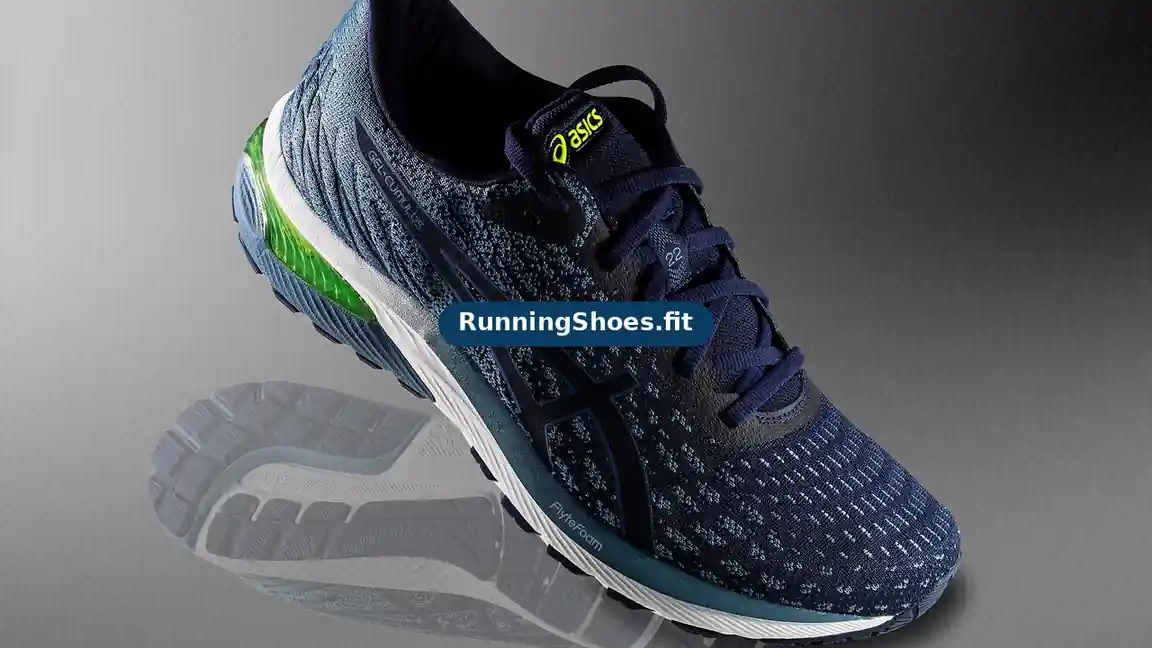

Asics has been building road running shoes for over seventy years, and it shows. The Japanese engineering roots come through in every pair: precise construction, consistent sizing from year to year, and midsoles that feel the same on mile one and mile twenty.
I am Muhammad, editor of RunningShoes.fit, and this guide cuts through the blur of Gel-this and Blast-that on the Asics wall. The brand has the deepest road running lineup in the business, and the five shoes below cover nearly every runner. While other brands chase trends, Asics refines what already works.
Decoding the Asics naming system
Asics names actually make sense once someone explains them. Gel refers to the brand’s signature shock absorbing units, soft pods placed where impact hits hardest, so a shoe with Gel in the name has comfort as its priority.
Blast refers to the FF Blast family of foams, which are lighter and bouncier than traditional Gel setups, so Novablast and Superblast models feel lively and responsive rather than purely soft. The numbers are simply version counts, and higher means newer, not always better for you: some runners stock up on an older version when a new one changes the fit.
The five Asics road shoes that matter
Gel-Nimbus 28: the comfort king
The Nimbus is the softest shoe Asics makes, and the 28th edition doubles down on plushness. PureGEL cushioning and FF Blast Plus foam create a pillowy ride that swallows impact, so easy miles feel easier and long runs end with fresher legs.
This is the shoe for runners who prioritise comfort above everything, including high mileage trainers and anyone whose joints complain about firmer shoes. The fit is classic Asics, true to size with a comfortable toe box, and wide widths are available. Our roundup of the best cushioned running shoes shows how it compares with other soft options.
Gel-Kayano 32: stability meets luxury
The Kayano is the Nimbus’s stability sibling, delivering the same premium cushioning with the 4D Guidance System added to keep overpronators tracking straight. Plush does not have to mean wobbly, and the Kayano proves it.
It is also a long run favourite, because the guidance keeps your stride honest when fatigue sets in and form starts to slip. It carries a bit more weight than the neutral options, which is the price of the guidance system, but most runners find the trade-off invisible once they start moving.
Novablast: the everyday energiser
The Novablast is the shoe that made Asics fun. A thick slab of FF Blast foam and a rockered geometry create a bouncy, rolling ride that begs you to pick up the pace, and tempo runs, progression runs, and fartleks are its natural habitat.
It is also cushioned enough for daily miles, which makes it the best one shoe option in the Asics lineup for runners who mix paces. The official Novablast 6 page details the latest version, and note that the fit runs slightly long, so some runners go down half a size.
Superblast: the long-run specialist
The Superblast takes the Novablast energy and stretches it into a max cushion cruiser, with FF Turbo foam, the same compound Asics uses in its racing shoes, under a tall and protective stack. Long runs have never felt this easy.
Marathon trainers use the Superblast for their biggest sessions, because it protects the legs over three hour runs while keeping enough bounce to hold pace. It is not a racing shoe despite the Turbo foam, since it is too heavy for personal bests. Our guide to the best marathon running shoes covers how it fits into a full rotation.
GT-2000 12: the smart value pick
The GT-2000 is the Kayano’s affordable sibling, offering genuine stability guidance, reliable cushioning, and a durable outsole at a price that leaves room in the budget for race entries. Beginners who overpronate get a trustworthy first shoe, and high mileage trainers get a durable workhorse for easy days.
Durability is its quiet strength, with generous outsole rubber and a midsole that holds up well past 600 kilometres. You sacrifice some of the Kayano plushness, but the core support is all there.
| Shoe | Type | Best for |
|---|---|---|
| Gel-Nimbus 28 | Neutral cushion | Maximum comfort and easy miles |
| Gel-Kayano 32 | Stability | Overpronators who want luxury too |
| Novablast | Neutral, energetic | Mixed paces and tempo days |
| Superblast | Max cushion trainer | Marathon long runs |
| GT-2000 12 | Stability, value | Support on a budget |
Choosing your Asics
Start with your gait, because it splits the lineup cleanly. Overpronators should look at the Kayano 32 or the GT-2000 12, while neutral runners get the Nimbus 28, the Novablast, and the Superblast. If you do not know your gait, a free analysis at a running store settles it in ten minutes.
Next, match the shoe to your training: easy miles and recovery runs call for the Nimbus, speed work wants the Novablast, and long runs belong to the Superblast. Think about rotation too, because a Nimbus for easy days plus a Novablast for workouts covers most training weeks beautifully.
Runners coming from Nike or Adidas often find the Asics fit slightly narrower in the midfoot with a more structured heel, and most adapt within a week. If you are switching brands, our Adidas vs Nike breakdown and our guide to the best Nike running shoes help you compare philosophies.
How Asics compares to Nike and Adidas
The big three take different paths to the same finish line. Nike leads on innovation and race day magic, Adidas blends Boost comfort with lifestyle appeal, and Asics is the engineer’s choice: less flashy, more consistent, refined over decades.
For daily training, Asics frequently wins on durability and fit consistency, because a Nimbus feels like a Nimbus for its entire life while some rival foams fade noticeably after 300 kilometres. The Runner’s World guide to Asics reaches similar conclusions after testing the full range, and their testers consistently praise the brand’s reliability.
Making your Asics last longer
Rotate between two pairs if you run more than four times a week, because foam needs 24 to 48 hours to fully rebound after a run. Runners who rotate consistently get 20 to 30 percent more kilometres from each pair.
Keep them out of the washing machine and away from radiators, since heat breaks down the adhesives and foams that make modern running shoes work. Track your kilometres too: Asics midsoles typically feel best to 600 or 700 kilometres, and when the ride feels flat or old niggles return, it is time for a fresh pair.
Watch: the Asics road lineup
The video below walks through the current Asics road range. It is a quick way to see how the Gel and Blast families differ before you visit a store.
Frequently asked questions
Are Asics running shoes good for beginners?
Yes, they are one of the safest choices for new runners. Models like the GT-2000 and Gel-Nimbus offer reliable cushioning and support without any quirks. The consistent sizing also means less guesswork when ordering your first pair.
What is the difference between the Gel-Nimbus and the Gel-Kayano?
The Nimbus is a neutral shoe built for maximum softness, while the Kayano adds stability guidance for overpronators. If your feet roll inward, choose the Kayano. If they track straight, the Nimbus gives you the plusher ride.
Do Asics running shoes run true to size?
Generally yes, with a secure midfoot and a comfortable toe box. The Novablast runs slightly long, so some runners take half a size down in that model. When in doubt, try them on in the afternoon when your feet are at their largest.
Which Asics shoe is best for marathon training?
The Superblast is the standout for long runs, thanks to its energetic FF Turbo foam and protective stack. Pair it with the Gel-Nimbus for easy days and the Novablast for workouts, and you have a complete marathon rotation.
How long do Asics running shoes last?
Most Asics daily trainers feel best for 600 to 700 kilometres, which is above average for the industry. Rotating two pairs extends the life of both. When the ride feels flat or the outsole wears smooth, it is time to replace them.
The bottom line
The best Asics is the one that matches your gait and your training, not the one with the highest price tag. Neutral runners seeking comfort should buy the Gel-Nimbus 28, overpronators need the Gel-Kayano 32 or the value packed GT-2000 12, and runners who crave energy will love the Novablast. Start with your gait, pick the shoe built for your running, and trust decades of refinement.