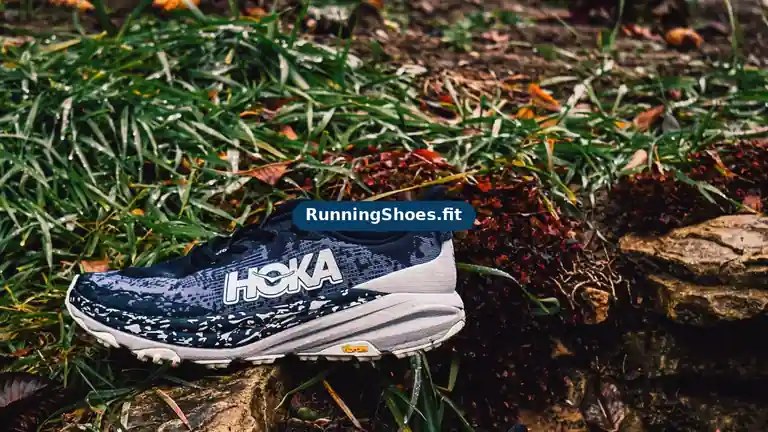

A decade ago, plenty of runners smirked at Hoka shoes. The towering midsoles looked like something from a cartoon, and maximal cushioning seemed like a shortcut. The smirks have stopped.
I am Muhammad, editor of RunningShoes.fit, and Hoka is now one of the dominant forces in running, worn by first time joggers, marathon chasers, and ultrarunners covering a hundred miles at a time. This guide covers the best Hoka running shoes for cushioned miles in 2026: the key models, the technology, and which runner each shoe suits.
What makes Hoka different
Hoka was founded with ultrarunning in mind. When you are descending a mountain at mile 70, you want every millimetre of protection you can get, and that thinking produced the oversized midsole that became the brand’s trademark.
Maximal cushioning that stays light
The first thing you notice is the stack height: noticeably more foam underfoot than conventional trainers. The second thing you notice is that the shoes do not feel heavy or clumsy, because lightweight foams and a rockered geometry keep them rolling forward instead of slapping the ground.
The Meta-Rocker shape
Every Hoka sole curves from heel to toe like the base of a rocking chair. This Meta-Rocker design guides the foot through the stride and reduces the workload on the calves and Achilles, and the benefit shows up late in long runs, when your legs feel fresher at mile 18 than they should.
A wide and stable platform
Tall shoes should feel tippy, but Hokas generally do not. Your foot sits cradled down within the midsole rather than balanced on top of it, and the wide base spreads each landing across more surface area, which heavier runners and cautious descenders appreciate most.
The best Hoka running shoes
Best for maximum cushion: Hoka Bondi 9
The Bondi is the shoe that launched the maximalist movement, and the Bondi 9 is its softest incarnation yet, with a plusher midsole and an even smoother transition than the Bondi 8. When comfort is the entire brief, this is where you start, and you can check the Hoka Bondi 9 at REI for current colourways.
Think recovery runs, long slow distance, and any day your joints need kindness. The compromises are weight and ground feel, so skip it for intervals and racing, but for easy cushioned miles nothing else in the range comes close.
Best everyday trainer: Hoka Clifton 11
The Clifton is Hoka’s best known road shoe, and the Clifton 11 keeps the recipe that made the line famous: lighter and livelier than the Bondi, with enough cushioning for everyday training. If you only own one pair of Hokas, this is usually the one, and the Clifton 11 page at REI lists the current versions.
Versatility is the Clifton’s superpower. It handles recovery jogs, steady miles, and long runs with equal composure, and newcomers to the brand should start here, because it delivers the signature Hoka feel without the maximal bulk.
Best for flat feet: Hoka Arahi 8
The Arahi proves stability footwear does not need to feel corrective. The Arahi 8 uses a J-Frame, a band of firmer foam along the inside edge, to guide overpronators without a rigid post, so the support is present but never intrusive, and the Arahi 8 at REI shows the current colourways.
It suits mild to moderate overpronation best, and our guide to the best shoes for flat feet shows how it compares with other supportive options. Runners whose arches collapse heavily may prefer the deeper support of the Gaviota below.
Best premium stability: Hoka Gaviota 6
The Gaviota is Hoka’s flagship support shoe. The Gaviota 6 combines a broad, stable chassis with generous cushioning, and where the Arahi nudges, the Gaviota steers, using its H-Frame and wide platform to control excess inward roll through the whole stride.
Speed is not the point here, and the shoe makes no apology for that. Heavier overpronators often describe it as the first shoe that feels both supportive and soft, so for protected miles with maximum support, it is a standout.
Best for trails: Hoka Speedgoat 7
The Speedgoat is trail running royalty, and the Speedgoat 7 translates Hoka cushioning to rough terrain with multidirectional lugs and a rockered, rock shielded midsole. The foam dulls sharp stones while the Vibram Megagrip outsole bites on loose climbs and sketchy descents.
It is equally at home in a 10K trail race and a 100 mile ultra. If your cushioned miles happen off road, this is your Hoka, and our guide to the best running shoes for long distance pairs well with it as you extend your weekend runs.
| Shoe | Type | Best for |
|---|---|---|
| Hoka Bondi 9 | Max cushion, neutral | Recovery and easy miles |
| Hoka Clifton 11 | Everyday trainer | One shoe for everything |
| Hoka Arahi 8 | Light stability | Mild to moderate overpronation |
| Hoka Gaviota 6 | Premium stability | Maximum support |
| Hoka Speedgoat 7 | Trail | Trail races and ultras |
Understanding Hoka foam and technology
Hoka midsole compounds have come a long way from basic EVA. The range now spans standard compression moulded foams through to premium PEBA based blends in the racing models, each tuned for a specific mix of softness, energy return, and durability.
The clever part is that Hoka tunes foam per model rather than per price tier. The Bondi gets the softest setup because softness is its job, while the Clifton gets a slightly firmer, more responsive tune for brisker running, and geometry matters just as much, because the Meta-Rocker, wide platform, and cradled foot position shape the ride before foam softness even enters the picture.
Fit follows a similar logic. Most Hokas run true to size with a secure midfoot and a reasonably roomy toe box, and wide options exist across the core range, which matters because a cramped forefoot ruins even the best midsole.
How to choose the right Hoka
Start with your main use case. Daily road miles suggest the Clifton, pure comfort suggests the Bondi, trails demand the Speedgoat, and a need for support points to the Arahi or Gaviota, so answering that one question narrows the field dramatically.
Then consider your gait and your training. Neutral runners can choose freely while overpronators should begin with the Arahi or Gaviota, and marathoners logging big weeks have different needs from 5K runners, which our guide to the best marathon running shoes explores across brands.
Be honest about what you enjoy too. The best shoe is the one that makes you want to run, and if trying the Bondi makes you grin on a grey morning, that counts for more than any specification sheet.
When to replace your Hoka
All foam compresses with use. Most Hokas deliver their best ride for 300 to 500 miles, and the Bondi’s ultra soft foam can pack out slightly sooner than the Clifton’s firmer compound, so learn the warning signs: new aches on familiar routes, visible compression creases, and a ride that feels flat instead of lively.
Our guide to how many miles running shoes last covers the complete checklist. Rotating two pairs is the simplest way to extend their life, because foam needs roughly a day to rebound fully between runs.
Watch: which Hoka is right for you
This video walks through the Hoka range and matches models to runners. It is a handy visual shortcut before you commit to a pair.
Frequently asked questions
What is the most cushioned Hoka shoe?
The Bondi 9. It has the thickest, softest midsole in the Hoka road range and is built purely for comfort, so choose it for recovery runs, long slow distance, and maximum joint protection.
What is the difference between the Bondi and the Clifton?
The Bondi prioritises maximum softness, while the Clifton balances cushioning with lighter weight and more versatility. Pick the Bondi for pure comfort and the Clifton for everyday training.
Are Hoka shoes good for wide feet?
Generally yes. Most core models come in wide versions, and the naturally broad platform suits wider feet well, with the Bondi and Clifton particularly accommodating. Always check the wide option exists in the model you want.
Do Hoka running shoes run true to size?
Yes, the vast majority do. Take your normal running shoe size, which is usually a half size up from your everyday shoes, and the reasonably generous toe boxes mean most runners do not need to size up further.
Which Hoka is best for beginners?
The Clifton 11. It is cushioned, forgiving, light enough to feel natural, and versatile across paces, so it gives new runners the full Hoka experience without any quirks.
The bottom line
Hoka earned its position by solving a genuine problem: runners wanted more protection without more weight. Whether you choose the Bondi, Clifton, Arahi, Gaviota, or Speedgoat, the principle stays the same, because Hoka built its name on cushioning that protects without slowing you down.
Match the shoe to your feet and your running, try a pair on, and judge by how your legs feel the morning after a long run. For the softest daily miles in the wider market, our roundup of the best cushioned running shoes is worth a look too.