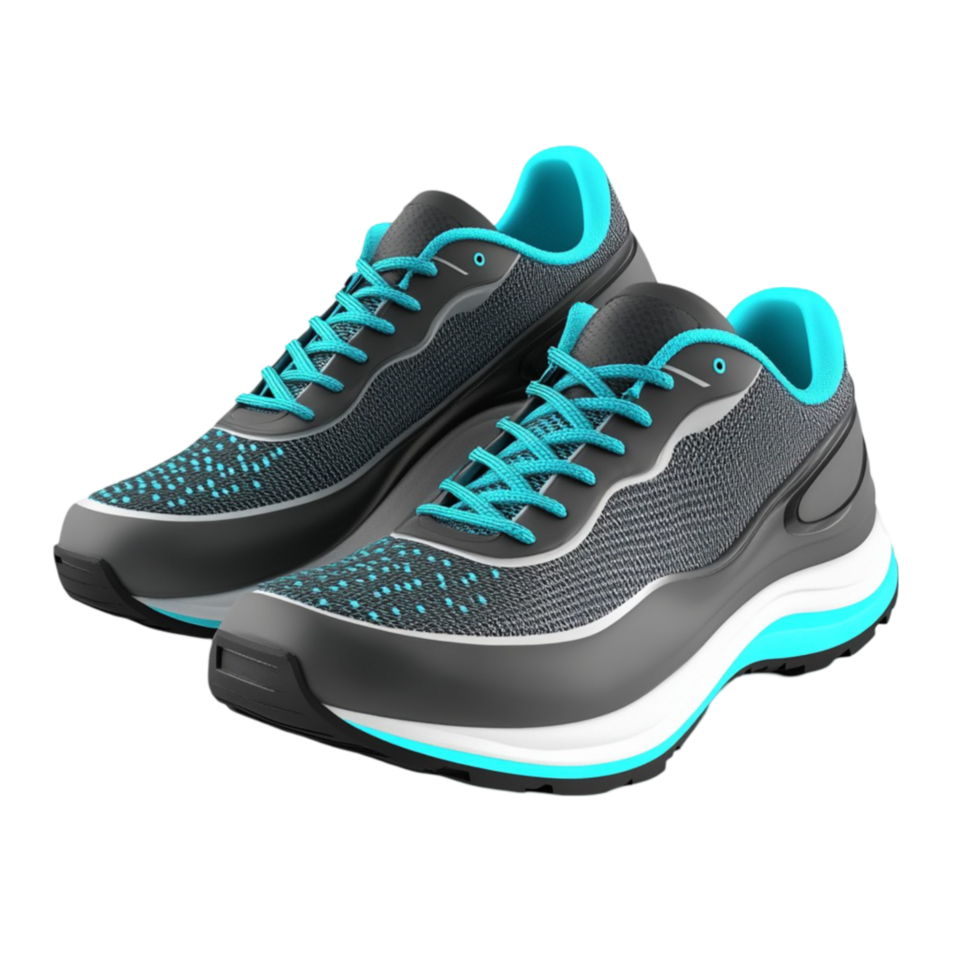
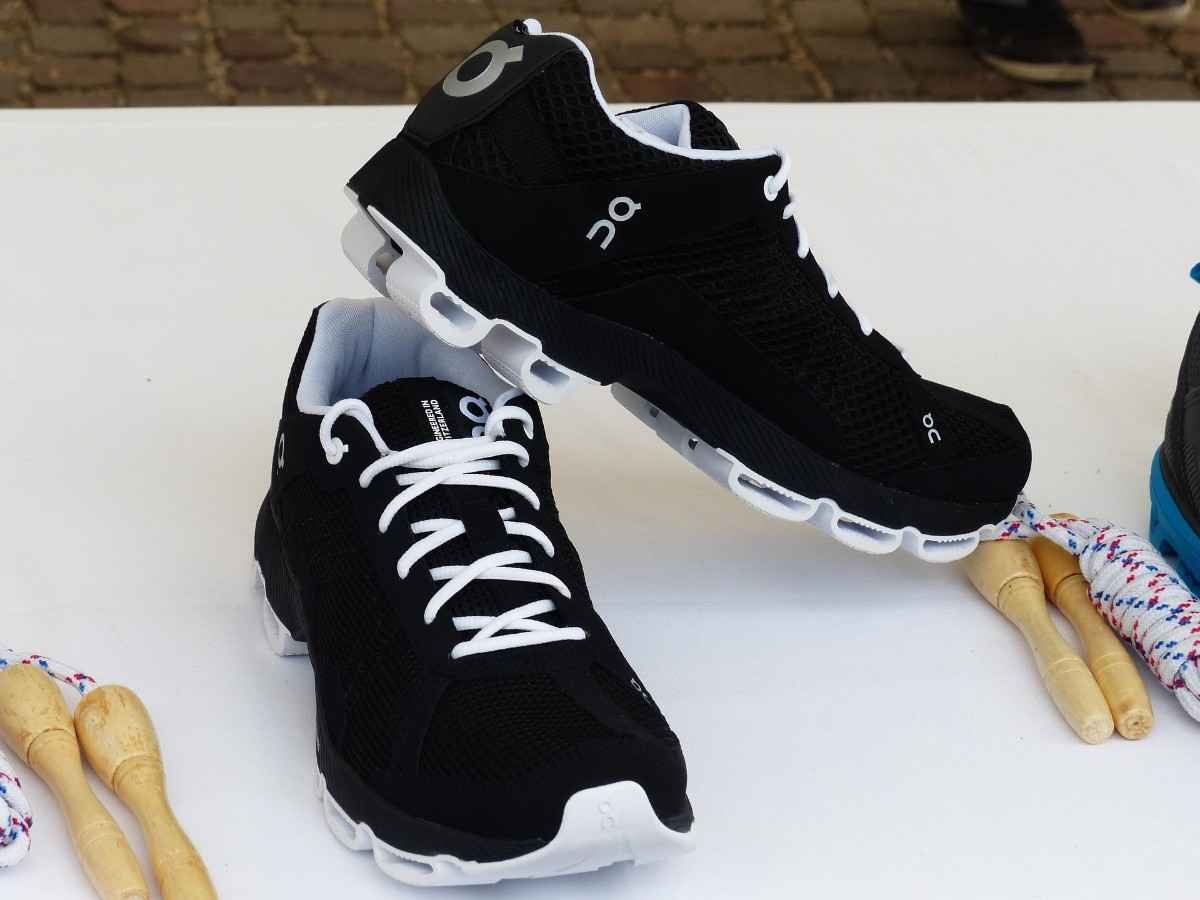

Starting to run can feel exciting and a little scary at the same time. You lace up your shoes, step outside, and wonder if you picked the right pair. The right shoe makes the first miles feel easy and helps you stay injury free. In this guide we will look at how to pick the Best Running Shoes for Beginner Runners that match your feet and your goals.
Why the Right Shoe Matters for New Runners
When you are new to running your body is still learning how to handle the impact of each step. A shoe that offers good cushioning can stress on your joints and muscles. A shoe that fits well keeps your foot from sliding inside which prevents blisters and hot spots. Feeling comfortable in your shoes also builds confidence so you are more likely to stick with your new habit.
According to the American College of Sports Medicine a proper running shoe can lower the risk of common injuries such as shin splints and runner’s knee. It also helps you maintain good form which makes each run feel smoother. Choosing wisely from the start sets a solid foundation for longer distances later.
Key Features to Look for in Beginner Running Shoes
Cushioning is the first thing many new runners notice. A soft midsole absorbs the shock when your foot hits the ground. Look for materials like EVA foam or newer blends that give a plush feel without being too squishy.
Support is another important factor. If your foot rolls inward too much (overpronation) a shoe with a medial post or a firmer inner side can help guide your stride. Neutral runners usually fine with a shoe that offers even cushioning on both sides.
Flexibility in the forefoot lets your toe bend naturally as you push off. A shoe that is too stiff can make your stride feel heavy. At the same time the shoe should still give enough structure to keep your foot stable.
Weight matters because you will be lifting your shoe hundreds of times each mile. A lighter shoe reduces fatigue but make sure it still offers the protection you need.
Breathability keeps your feet cool and dry. Mesh uppers allow air to flow and help prevent sweat buildup that can lead to blisters.
How Foot Type Influences Shoe Choice
Understanding your arch type is a simple way to narrow down options. You: step on a piece of dark paper with a wet foot and look at the imprint.
If you see a full footprint you likely have a low arch or flat foot. This often means you overpronate and may benefit from a stability shoe.
If you see a narrow band connecting the heel and toe you probably have a high arch. High arches tend to underpronate (supinate) and need a cushioned shoe with plenty of flexibility.
A normal arch shows a distinct curve along the inside of the foot. Neutral runners with this shape usually do well in a wide range of shoes.
Many specialty running a free gait analysis. They watch you run on a treadmill and can tell you if you need extra support or if a neutral shoe is fine.
How to Choose the Best Running Shoes for Beginner Runners
This is the one subheading that contains the exact focus keyword. Use it as a checklist when you shop.
First measure your feet later in the day because they swell a bit after activity. Use a Brannock device or a printable size chart to get length and width.
Second bring the socks you plan to run in. Try on shoes with those socks to get a true feel.
Third lace the shoes up snug but not tight. You should be able to wiggle your toes freely.
Fourth walk around the store for a minute then jog lightly if possible. Feel for any slipping at the heel or pinching at the toe box.
Fifth consider the return policy. Many retailers let you test shoes on a treadmill for a week and return them if they do not feel right.
Finally trust your comfort. If a shoe feels good right away it is likely a good match.
Trying Shoes On: What to Check in the Store
When you have a pair on your feet check the heel first. It should sit firmly in the back of the shoe without slipping up and down.
Next look at the toe box. There should be about a thumb’s width of space between your longest toe and the front of the shoe. This room lets your foot expand as you run.
Then press the sides of the shoe. It should feel snug but not tight enough to cause numbness.
Finally run a few steps on the store’s treadmill or a clear aisle. Pay attention to how the shoe feels under the ball of your foot and how it rolls from heel to toe.
Online Buying Tips for Beginner Runners
Buying shoes online can save time but you need to be careful about fit.
Start by checking the brand’s size guide. Some brands run small or large compared to others.
Read reviews that mention width and arch support. Look for comments from runners with a similar foot type to yours.
Make sure the retailer offers a free return window. Many sites give you 30 days to send the shoes back if they do not work.
Consider ordering two sizes if you are unsure. Keep the pair that feels best and return the other.
Lastly keep the original box and packing materials until you are sure you want to keep the shoes.
Caring for Your Running Shoes to Extend Life
Running shoes last longer when you treat them well between runs.
After a wet or muddy run rinse off the shoes with lukewarm water. Avoid soaking them because excess water can break down the glue.
Stuff the shoes with newspaper or a shoe tree to help them keep their shape while they dry.
Leave them to air dry in a well ventilated area away from direct heat. Heat can warp the midsole and reduce cushioning.
Rotate between two pairs if you run more than three times a week. Giving each pair a full day to dry helps the foam rebound.
Store your shoes in a cool dry place. Avoid leaving them in a hot car or in direct sunlight for long periods.
Common Mistakes Beginners Make with Shoes
One frequent error is buying shoes that are too tight because they feel “supportive.” A tight shoe can restrict blood flow and cause numbness on long runs.
Another mistake is ignoring wear patterns. Look at the sole; if one side is more worn than the other it may signal a stride issue that needs attention.
Many new runners keep using shoes past their prime. Even if the shoe looks fine the midsole foam can lose its ability to absorb shock after 300 to 500 miles.
Some runners choose shoes based only on color or brand loyalty. While style matters comfort and fit should come first.
Finally avoid using running shoes for other sports like basketball or tennis unless they are designed for cross training. The lateral support needed for court sports is different from what a running shoe provides.
When to Replace Your Running Shoes
Pay attention to how your feet feel during and after a run. New aches in the knees heels or lower back can be a sign that the cushioning has worn down.
Check the outsole for uneven wear. If the tread is smooth in spots the shoe may not grip well especially on wet surfaces.
Press the midsole with your thumb. If it feels hard and does not spring back it is likely time for a new pair.
Many experts suggest tracking your mileage. A simple log in a notebook or phone app helps you know when you have hit the 300 to 5 range.
If you notice the shoe feels looser than when you bought it the upper may have stretched out. This can affect heel lock and lead to blisters.
Frequently Asked Questions
How much should I spend on my first pair of running shoes?
A good beginner running shoe usually costs between eighty and one hundred and twenty dollars. You do not need to buy the most expensive model to get proper cushioning and support. Look for last year’s version of a popular shoe; it often offers the same technology at a lower price. Remember that investing in a comfortable pair can prevent injuries that might lead to higher medical costs later.
Can I use walking shoes for running?
Walking shoes are built for a different motion than running shoes. They tend to be stiffer and have less heel cushioning because walking impact is lower. Using them for running can increase stress on your joints and may lead to discomfort. It is best to choose a shoe specifically designed for running even if you are just starting with short distances.
How do I know if I need a stability shoe or a neutral shoe?
The easiest way is to look at the wear pattern on an old pair of shoes. If the inner edge of the sole is more worn you likely overpronate and may benefit from a stability shoe. If the wear is even across the forefoot a neutral shoe is probably fine. Many running stores offer a free gait analysis where they watch you run on a treadmill and recommend the right type.
Is it okay to buy running trying them on first?
Buying shoes without trying them on can work if you know your exact size and the brand’s fit profile. However feet vary widely and even a half size difference can cause blisters or black toenails. If you order online be sure the retailer has a generous return policy so you can send the pair back if it does not feel right after a short test run.
How often should I clean my running shoes?
Clean your shoes after any run that leaves them muddy sweaty or covered in debris. A quick rinse with lukewarm water and a soft brush is enough for most situations. Avoid putting them in the washing machine because the damage the foam and glue. Let them air dry completely before storing them.
Choosing the right pair of running shoes is one of the best first steps you can take as a new runner. Focus on comfort fit and the type of support your foot needs. Take your time try a few options and listen to how your feet feel. With the right shoes on your feet you will enjoy each mile and be to go farther.
Pingback: How Should Running Shoes Fit? Get the Perfect Fit
Pingback: Top Running Shoes with Arch Support Reviewed
Pingback: Best Running Shoes to Buy in 2026: Top Picks for Runner
Pingback: Best Road Running Shoes for Shin Splints in 2026