
Running with bunions can turn every step into a negotiation. That bony bump at the base of your big toe rubs against the shoe, the forefoot feels cramped, and by the end of a run you are thinking about your feet instead of your pace.
I am Muhammad, editor of RunningShoes.fit, and the good news is that the right shoes make a real difference. This guide covers the best running shoes for bunions, the features that matter most, and how to fit them properly, whether your bunion is mild or advanced.
Medical disclaimer: this article is for general information only and is not medical advice. If you have persistent foot pain, see a podiatrist or orthopaedic specialist for proper diagnosis and treatment.
Why standard running shoes hurt bunions
Most running shoes are built on a last, the foot shaped form that sets the shoe’s interior shape, that tapers toward the toes. That sleek taper squeezes the forefoot and presses the big toe joint against the upper, which is exactly where a bunion sits.
Narrow toe boxes also force the toes together, pushing the big toe further out of alignment over time. Shoes do not cause bunions on their own, but cramped footwear accelerates the discomfort, and the pain usually peaks on long runs when your feet swell and the shoe feels even tighter.
The fix is not to stop running. It is to choose shoes designed with forefoot space in mind, because a shoe that accommodates the bunion instead of fighting it changes the whole experience.
What bunions need in a running shoe
Bunions, known medically as hallux valgus, happen when the big toe drifts toward the smaller toes and the joint at its base sticks out. The Mayo Clinic overview of bunions notes that poorly fitting footwear is a key aggravator, which is why shoe choice matters so much.
The single most important feature is a wide toe box with soft, flexible uppers. Your toes need room to spread without pressing on the bunion, so look for engineered mesh or knit uppers that give, and seams placed away from the bump, because a seam sitting on it means blisters.
Cushioning helps by reducing impact through a sensitive joint, but cushioning alone is not enough. A soft shoe with a narrow toe box still hurts, so prioritise fit first, then cushioning, and check overall volume too, because some shoes marked wide are only wider in the heel.
When you try a pair on, press the upper with your thumb over the bunion. It should feel soft and yielding, not taut, and our guide to the best running shoes for wide feet covers the same principles in more depth.
Top picks for runners with bunions
Altra Torin: the wide toe box specialist
Altra builds every shoe on a FootShape toe box that lets your toes splay naturally, which is exactly what bunions need. The bunion is not squeezed from either side, and the roomy fit leaves space for swelling on long runs.
The Torin is the brand’s cushioned road trainer, pairing that wide toe box with plush cushioning that protects sensitive joints. Altra’s zero drop platform can reduce forefoot pressure for some runners, but transition gradually over two to three weeks, because the flat platform loads the calves and Achilles differently.
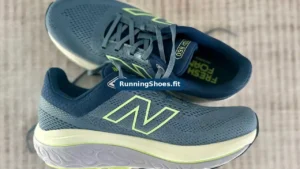
New Balance 1080 wide: widths for every runner
New Balance offers most of its running shoes in wide (2E) and extra wide (4E) versions, a huge advantage for bunion runners. Instead of hoping a standard shoe stretches, you buy the width you actually need from the start.
The 1080 is the premium cushioned trainer in the range, with a soft, accommodating upper and Fresh Foam cushioning that suits longer runs. Just make sure the width sits in the forefoot where you need it, not only the heel, because a shoe that is wide everywhere can feel sloppy.
Brooks Ghost wide: cushioned and accommodating
The Brooks Ghost is one of the most popular daily trainers in the world, and the wide version is a solid bunion choice. The engineered mesh upper is soft and forgiving over the forefoot, and the balanced cushioning suits neutral runners doing daily miles.
It is not the roomiest shoe here, but the wide width works well for mild to moderate bunions. The 12mm heel to toe drop suits heel strikers, and the segmented crash pad keeps transitions smooth so the forefoot takes less of a jolt.
Hoka Bondi wide: max cushion for sensitive feet
The Hoka Bondi pairs a thick slab of cushioning with a wide version that adds the forefoot room bunions need. For runners whose bunions ache after every run, that combination of maximum softness and real space can be a revelation, and you can find the Hoka Bondi in wide widths at REI.
The trade off is weight and a high stack that feels less stable on uneven ground. Keep the Bondi for easy miles and recovery runs rather than fast workouts, and it will look after sensitive feet better than almost anything else.
| Shoe | Why it works | Best for |
|---|---|---|
| Altra Torin | FootShape toe box, zero drop | Maximum toe room |
| New Balance 1080 wide | 2E and 4E widths, soft upper | Choosing your exact width |
| Brooks Ghost wide | Forgiving mesh, balanced ride | Mild to moderate bunions |
| Hoka Bondi wide | Max cushioning plus width | Achy joints, easy miles |
Fitting tips for bunion friendly comfort
Shop in the afternoon when your feet are slightly swollen, because that mimics how they feel mid run. Bring your running socks, and leave a thumb’s width of space between your longest toe and the front of the shoe.
The bunion should not press against the upper when you stand, and you should be able to wiggle your toes freely. Walk around the shop and pay attention to the bunion area specifically, because pressure you feel in the store only gets worse on the road, and our guide on how running shoes should fit covers the full checklist.
Bunions often travel with other foot issues. Flat feet are common alongside them, so our roundup of the best shoes for flat feet helps if you need arch support as well, and heel pain from an altered gait is covered in our guide to the best running shoes for plantar fasciitis.
Some runners with severe bunions also gain room by going up half a size. Balance that against heel slippage, and try men’s and women’s versions if you fall between sizes, because the width gradations differ.
When to see a doctor
Shoes manage bunion discomfort, but they cannot correct the underlying deformity. See a podiatrist or orthopaedic foot specialist if pain persists, walking gets difficult, or the bunion is visibly worsening despite good footwear, and the AAOS guide to bunions explains when conservative treatment is enough and when surgery enters the picture.
Do not ignore numbness, open sores, or sudden increases in pain. Those can signal complications that need prompt attention, especially for runners with diabetes or circulation issues, and a specialist can also fit custom orthotics that redistribute pressure away from the bunion.
Watch: best shoes for bunions
This foot specialist rundown covers the best shoes for bunions in 2026. It is a useful second opinion on the fit principles in this guide.
Frequently asked questions
Can you run with bunions?
Yes, most people with bunions can run comfortably in shoes with a wide toe box and soft, flexible uppers. Fit them in the afternoon when feet are slightly swollen, and see a podiatrist if pain persists despite good footwear.
What features should bunion friendly running shoes have?
Look for a wide toe box, soft flexible uppers with minimal seams over the bunion, and enough cushioning to reduce impact. Wide 2E or extra wide 4E versions, or naturally wide lasts like Altra, work well.
Should I buy wide or extra wide shoes for bunions?
A mild bunion often does fine in a standard wide 2E. For moderate to severe bunions, try extra wide 4E or a naturally wide brand like Altra, and check that the bunion does not press the upper when you stand.
Can running make bunions worse?
Running in narrow, ill fitting shoes can increase bunion pain and irritation. Running in properly fitted shoes with a wide toe box should not worsen the condition, but see a specialist if pain keeps increasing.
When should I see a doctor about my bunion?
See a podiatrist or orthopaedic specialist if you have persistent pain, difficulty walking, numbness, open sores, or a bunion that is visibly worsening. A specialist can recommend orthotics or discuss treatment options.
The bottom line
Bunions do not have to end your running. With a wide toe box, soft uppers, and a careful fit, most runners with bunions can train comfortably for years, because the rule is simple: space first, cushioning second.
The shoes above are proven starting points, but your feet are unique, so prioritise how they feel over any review. When pain persists despite good shoes, see a specialist, and the right footwear plus professional guidance will keep you moving.