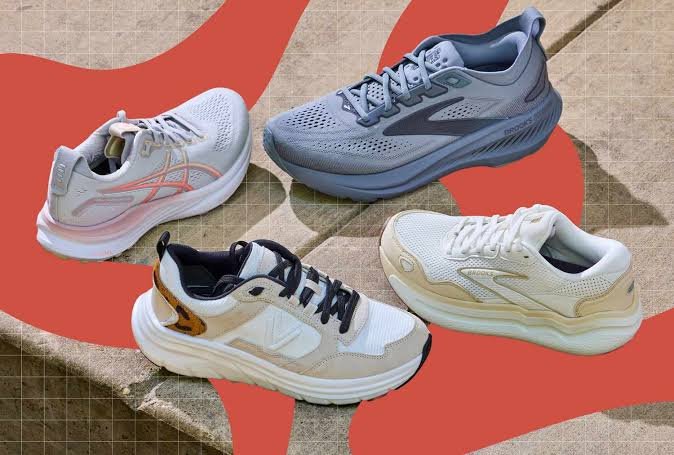

Your knees absorb a remarkable amount of force when you run. With each step, the impact travelling up your leg can reach two to three times your body weight, and your shoes are the first line of defence.
I am Muhammad, editor of RunningShoes.fit, and what happens at the foot echoes all the way up to the knee. This guide explains how shoes affect your knees, what makes a shoe knee friendly, and the five models that keep proving themselves for sensitive knees.
How your shoes affect your knees
The connection is mechanical. When your foot hits the ground, the way it lands determines how force travels through your ankle, shin, and knee, and a shoe that lets your foot collapse inward can rotate your shin and pull the kneecap slightly off track.
Over thousands of steps, that small misalignment irritates the tissues around the knee. Cushioning plays a real role too, because while no shoe eliminates impact, softer midsoles spread the landing force over a longer moment and reduce the peak shock that reaches your joints.
Be honest about what shoes can and cannot do. The right pair reduces stress and supports good mechanics, but it will not fix weak hips, poor form, or an injury that needs treatment.
What makes a shoe knee friendly
Cushioning first
Look for shoes with generous, soft midsoles that absorb impact without feeling unstable. Models marketed as max cushion or premium neutral trainers are usually the best starting point, because the goal is a shoe that takes the edge off each landing while keeping you balanced.
Support matters too
Support matters just as much as softness. If your feet overpronate, the inward collapse can drag your knees along with it, rotating the shin and stressing the joint, so a stability shoe, or a neutral shoe with a wide and supportive platform, keeps the foot and shin aligned, and our cushioned running shoes guide covers options that balance softness with support.
Heel drop
The drop, the height difference between heel and forefoot, changes where load goes. A higher drop of 10 to 12 millimetres shifts stress toward the hips and away from the knees and calves, which many knee sensitive runners prefer, while lower drops load the calves and Achilles more.
Fit, weight, and transition
A shoe that is too narrow or too short alters how your foot moves, creating compensations that travel upward. Look for a thumb’s width of space ahead of your longest toe, and a heel that feels locked without slipping.
Transition smoothly if you are changing shoe types, because a soft, high stack model changes your mechanics. Rotate the new pair in gradually over two to three weeks.
The best running shoes for knee pain
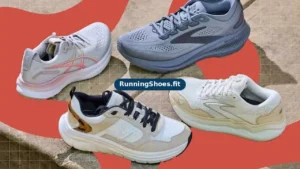
These five are proven choices for runners with sensitive knees. Each one combines cushioning with smooth transitions that keep joints happy.
Hoka Bondi: maximum cushioning
The Bondi is the softest shoe Hoka makes, with a towering stack of foam that swallows impact. For runners whose knees ache on every step, the plushness of the Bondi can feel transformative, like running on a thick mat instead of concrete.
The wide platform keeps the ride stable despite the tall stack, and the rockered geometry rolls you forward smoothly. It is not light, but the weight fades under the cushioning, so if maximum protection is your priority, start here and check the Hoka Bondi 9 page at REI.
Brooks Ghost: the balanced all rounder
The Ghost is one of the best selling neutral trainers in the world for good reason. It offers a balanced mix of cushioning and responsiveness that suits an enormous range of runners: not too soft, not too firm, just reliably comfortable mile after mile.
For knees, the smooth heel to toe transitions and moderate cushioning of the Ghost work beautifully. It lacks the extreme softness of the Bondi, but the ride is more versatile and the shoe handles daily training without fuss, so runners who want one dependable pair should look here first.
ASICS Gel-Nimbus: plush and protective
The Gel-Nimbus brings ASICS premium cushioning to knee sensitive runners. PureGEL units and soft FF Blast foam create a pillowy ride that is gentle on joints from the first step, and the fit is secure through the midfoot with effortless transitions.
Heavier runners with knee pain particularly appreciate the Nimbus, because the cushioning does not bottom out under load the way thinner shoes can. It is a premium shoe at a premium price, but the investment pays off in comfortable miles.
New Balance 1080: smooth and reliable
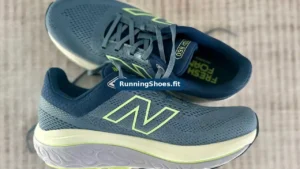
The 1080 is New Balance’s flagship neutral trainer, known for its smooth ride and outstanding fit. Fresh Foam X cushioning provides a soft but not mushy landing, and the shoe comes in multiple widths to accommodate real feet.
The gentle rocker geometry encourages an efficient heel to toe transition, which reduces the jarring impact that bothers sensitive knees. Runners with wider feet will appreciate the generous fit options that few competitors match.
Saucony Triumph: energetic comfort
The Triumph pairs plush cushioning with a lively, responsive feel. PWRRUN foam absorbs impact but returns energy, so the shoe feels protective without feeling dead underfoot, and it suits runners who want cushioning but dislike mushy, slow shoes.
The Triumph shines on longer runs where knee comfort matters most, and runners managing related issues can also read our arch pain shoe guide.
| Model | Best for | Ride |
|---|---|---|
| Hoka Bondi | Maximum protection | Softest, wide and rockered |
| Brooks Ghost | One dependable pair | Balanced and versatile |
| ASICS Gel-Nimbus | Premium comfort under load | Plush and protective |
| New Balance 1080 | Wide feet and daily miles | Smooth with a gentle rocker |
| Saucony Triumph | Long runs | Plush but energetic |
When to see a professional
Shoes help, but they have clear limits. See a physiotherapist or sports medicine doctor if your knee pain persists for more than two weeks, because sharp pain, swelling, and a knee that locks or gives way all need professional assessment.
Runner’s knee, medically known as patellofemoral pain syndrome, is the most common culprit, causing a dull ache around or behind the kneecap that is worse on stairs, hills, or after sitting. The AAOS OrthoInfo guide to patellofemoral pain and the Mayo Clinic overview describe the symptoms and when to seek care.
IT band syndrome, which causes sharp pain on the outer knee, is another frequent visitor among runners. A professional can distinguish between these conditions because the treatments differ, and a physiotherapist will assess your gait, hip strength, and flexibility.
Beyond shoes: what else protects knees
Strength training is the single most powerful tool for knee health. Strong glutes and hips keep your knees tracking in line instead of caving inward, and two short sessions a week of squats, lunges, step ups, and clamshells deliver more protection than any footwear upgrade.
Build your mileage gradually, because the classic ten percent rule gives bones, tendons, and cartilage time to adapt. Sudden jumps in mileage are the most common trigger for knee pain in otherwise healthy runners.
Consider softer surfaces and smarter form too: trails, tracks, and treadmills are gentler than concrete, and a slightly quicker cadence reduces braking force. Treat the whole chain, because issues like shin splints and plantar fasciitis often share the same root causes.
Watch: running shoes for knee pain
This video looks at what actually works for knee pain, including IT band and runner’s knee issues. It is a useful companion to the professional advice section above.
Frequently asked questions
Can running shoes really help knee pain?
They can reduce the stress that aggravates knees, but they are not a cure. Cushioning softens impact and support keeps your stride aligned, and for lasting relief you should combine good shoes with strength training and sensible mileage.
Is it better to run in maximalist shoes for knee pain?
Many knee sensitive runners do feel better in maximalist shoes like the Hoka Bondi, because the thick cushioning reduces peak impact. Some runners prefer a firmer, more stable platform, so try both styles and trust what your knees tell you.
Should I stop running if my knees hurt?
Not necessarily, but do not run through sharp or worsening pain. Reduce mileage, switch to softer surfaces, and see if the pain settles, and if it persists beyond two weeks, get a professional assessment before continuing.
Do I need stability shoes for knee pain?
Only if you overpronate, because excess inward roll can pull the knee off track and stability shoes help in that case. If your gait is neutral, a cushioned neutral shoe is the better choice, and a gait analysis will tell you which camp you are in.
When should I see a professional about knee pain?
See a physiotherapist or sports medicine doctor if pain persists for more than two weeks despite rest and better footwear. Sharp pain, visible swelling, or a knee that locks or gives way should be assessed promptly.
The bottom line
The best shoe for knee pain is the one that cushions your landing and keeps your stride aligned. For most runners that means the Hoka Bondi for maximum softness, the Brooks Ghost for balanced versatility, or the ASICS Gel-Nimbus for premium comfort, with the New Balance 1080 and Saucony Triumph completing a strong field, and you should pair the right shoes with gradual training, regular strength work, and professional advice when pain persists.
Medical disclaimer: this article is for general information only and is not medical advice. If you have persistent or severe knee pain, please consult a healthcare professional or physiotherapist for proper diagnosis and treatment.